
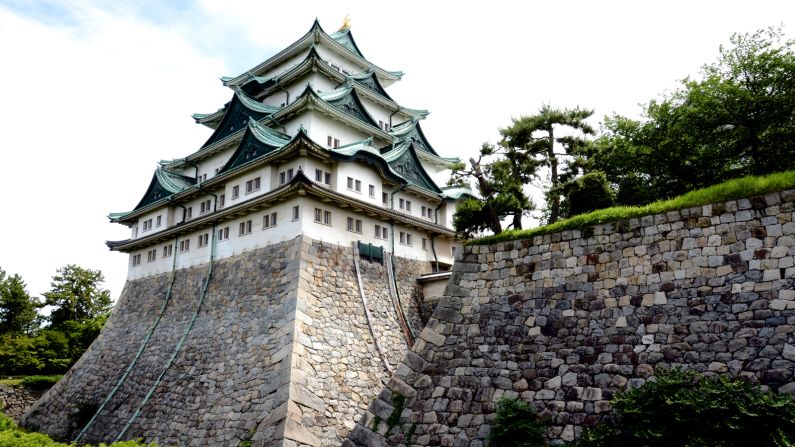
Japan’s medieval centuries were anything but peaceful. During the Sengoku (“Warring States”) period, the country was carved up by warlords (daimyo) who fought constantly for land, rice, and power. The samurai served these daimyo, and everyone swore—at least on paper—loyalty to the shogun.
In a world where betrayal was common and peasant revolts were a real fear, the daimyo needed more than just swords and armor. They needed fortresses. The result was the Japanese castle: part military base, part government office, part symbol of power, and, in many cases, a surprisingly elegant work of art.
Let’s step inside.
Where Japanese Castles Were Built
In most places and times, castles go where the terrain helps you. Japan is no exception—but Japan is very mountainous, and medieval builders leaned into that.
Early on, especially during the Sengoku period, many castles were built high on mountaintops. These were called yamajiro (“mountain castles”). From their lofty positions, the defenders could see anyone approaching from far away. Attacking uphill under enemy arrows and rocks is no one’s idea of fun.
But there was a catch: if it was hard for enemies to get in, it was also hard for you to get in and out. Moving supplies, soldiers, and messengers up and down steep slopes made it difficult to govern the surrounding lands efficiently.
As Japan gradually unified under the Tokugawa shogunate in the early 1600s, constant warfare slowed down. Castles no longer needed to be quite so extreme defensively. Daimyo began to prefer hirajiro (“plains castles”) built on flat or gently sloping land. These were easier to access, better for trade, and more useful as administrative centers and showpieces of authority.
Sometimes, lords chose a middle path: the hirayamajiro, or “plain–mountain castle,” built on a low hill in a flat area. It still offered defensive advantages but was far more convenient for everyday governance.
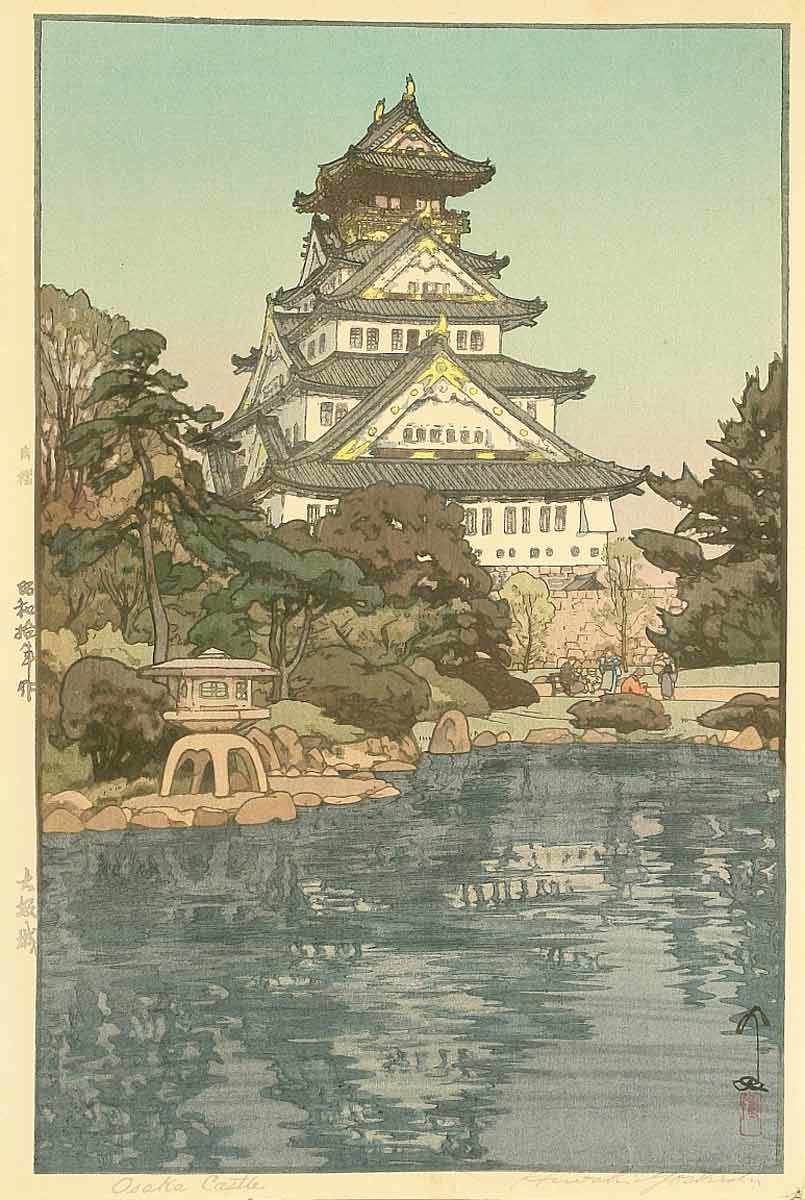
There were also mizujiro, or “water castles,” built by rivers, lakes, or the sea. Moats and waterways weren’t just good defenses—they also supported trade and transport.
What Japanese Castles Were Made Of
Japan doesn’t have huge supplies of metal or stone like some other regions, but it does have something in great abundance: wood.
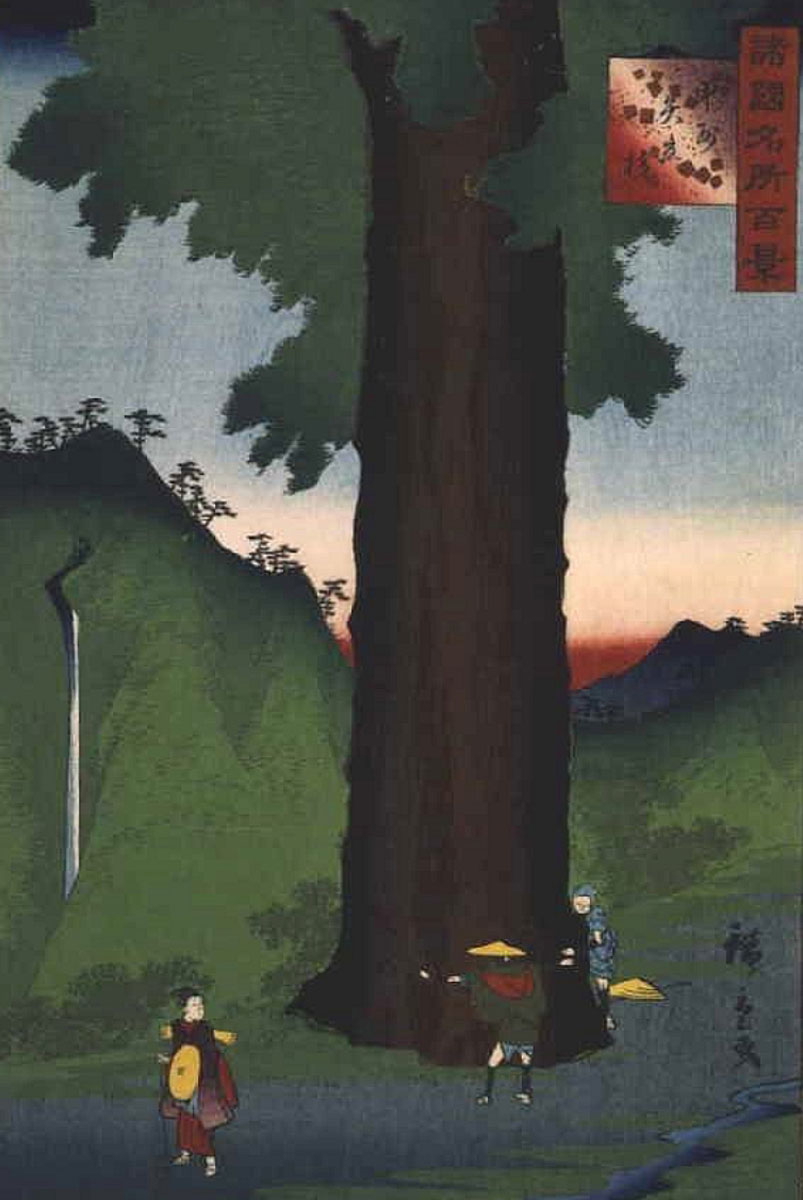
Most of the visible structure of a Japanese castle was wooden. Builders commonly used cypress, red pine, and cedar. Wood is light, relatively easy to work, and, most importantly in an earthquake-prone land, flexible. A stone building may crack in an earthquake; a wooden one can bend and sway and then settle back.
Of course, wood has weaknesses—especially fire and rot—so the builders combined materials cleverly.
Castles were often built on natural hills. To strengthen these slopes and prevent landslides from rain, floods, or quakes, workers hauled in stone from quarries and stacked it into sloping walls called ishigaki. These were carefully laid without mortar, the stones held together by gravity and friction, with gaps filled by packed earth or smaller stones. This dry-stone method allowed the walls to shift slightly during earthquakes without collapsing.
Above these stone bases rose the tall wooden towers and halls, capped with one of the most recognizable features of a Japanese castle: the roof.
Roofs, Light, and Decoration
Japanese castle roofs are striking: sweeping curves, sharply upturned eaves, and layered tiles.
Originally, roof coverings could be made of bark (often cypress), treated to resist water. Wealthier lords upgraded to heavy ceramic tiles. The large overhanging eaves shielded the wooden walls from rain and sun, slowing down rot and weathering.
The edges of the roof curve upward not just because it looks elegant but also to let more light into the rooms below. Big roofs cast deep shadows; the upturned parts allow sunlight to slip in through higher windows.
At the very top of the main keep, or tenshu, many castles wore a pair of glittering guardians: shachi. These are decorative figures shaped like a mythical creature with the body of a fish and the head of a tiger or dragon. Shachi were believed to have power over water and were meant to protect the castle from fire. They were often made of wood covered in gold leaf or even solid metal, shining symbols of the lord’s wealth and status as much as talismans of protection.
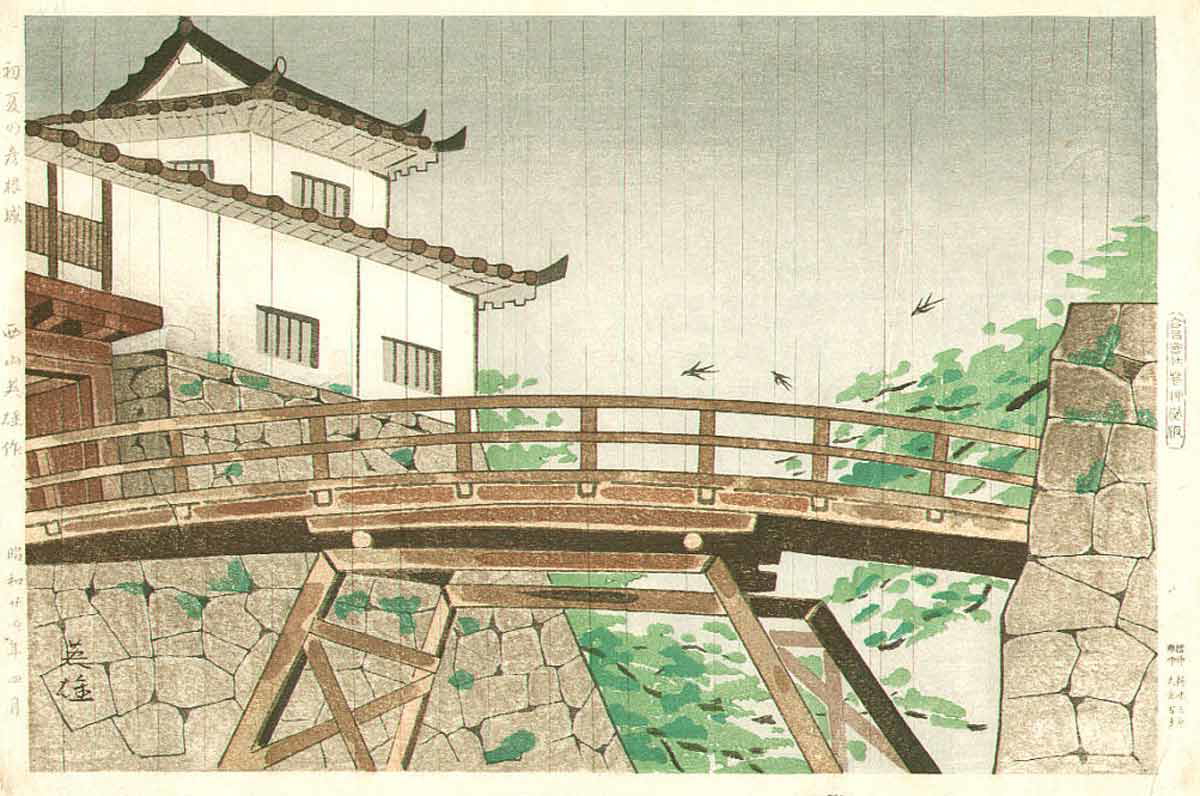
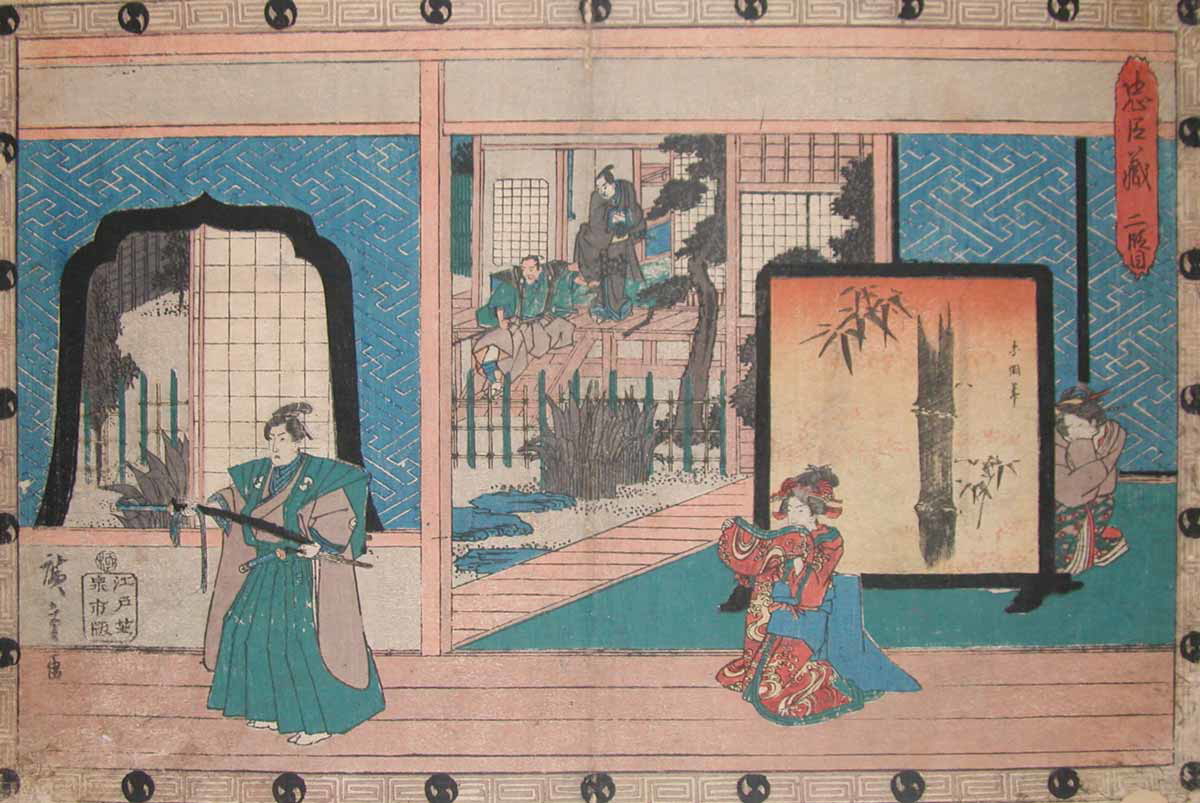
Inside, the rooms were designed to be flexible. Instead of permanent walls, many spaces were divided by fusuma—sliding panels covered in paper or silk, often painted with scenes of nature, landscapes, or legendary figures. Fusuma could be moved to open up a large hall or create smaller private rooms at will.
They’re related to shoji, another type of sliding screen. Shoji are made with translucent paper that lets in soft, diffused light. Fusuma block vision and light entirely; shoji make a room glow.
This combination of movable walls and soft lighting gave castles an interior that could feel both grand and intimate, depending on how the space was arranged.
The Layout: A Maze on Purpose
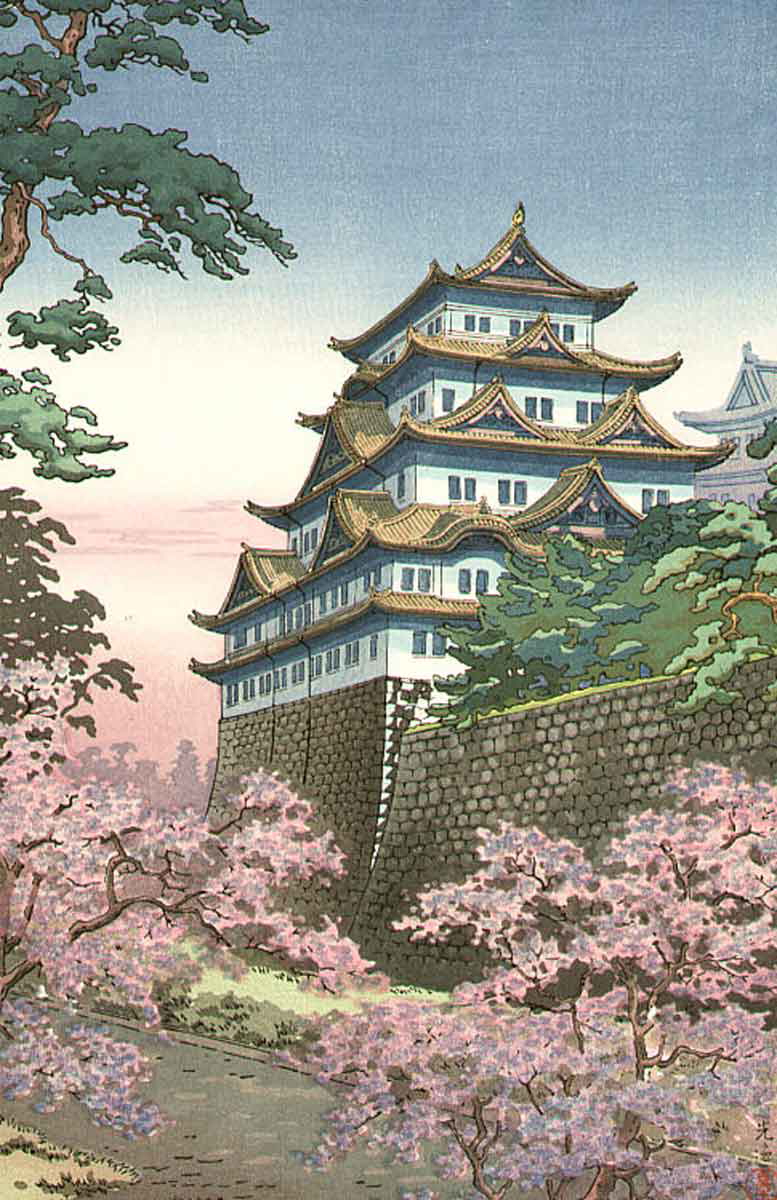
From the outside, the tenshu—the tall central keep—usually dominates the skyline. It’s the psychological and visual heart of the complex. Interestingly, the daimyo and his family didn’t live there day-to-day. The tenshu was more like a last refuge and a symbol of power than a normal home.
Architects also played visual tricks: a keep might look like it has three or four stories from the outside, but actually contain more levels hidden within. This was partly for aesthetics, partly to confuse enemies who might be trying to judge where to attack or set fires.
Around the tenshu stretched a series of baileys—walled courtyards nestled within each other like layers of an onion:
- The san-no-maru (“third bailey”) was usually the outermost enclosed area.
- Inside that lay the ni-no-maru (“second bailey”).
- At the core, closest to the tenshu, was the honmaru (“main bailey”).
Getting from the outer gate to the honmaru was deliberately frustrating. Roads and corridors twisted, turned sharply, and narrowed, forcing attackers into long, exposed approaches where defenders could shoot from above.
The perimeter walls often featured small towers called yagura. These were used for storage (especially weapons and ammunition) and as elevated firing positions. Some castles even had special towers for astronomy or watching the stars.
Below ground, there were basements and storehouses where food and supplies were kept, often with some fireproofing. In a long siege, this could make the difference between holding out and surrendering.
Hidden Defenses and Security Tricks

From the outside, moats and stone bases are obvious defenses. Inside, Japanese castles also bristled with clever, less visible tricks.
Some corridors were floored with “nightingale floors” (uguisubari). These wooden boards were designed so that when someone walked on them, they would emit a distinctive chirping or squeaking sound. An intruder could not cross silently, no matter how careful.
Beams and rafters in certain areas might be fitted with caltrops or spikes, making it painful—and dangerous—for anyone trying to climb or hide there. These weren’t meant for friendly samurai but for spies, infiltrators, or assassins.
Security wasn’t just physical. Samurai guarding the castle used passwords, countersigns, and written passes to control movement. If a full-scale attack came, archers and gunners could fire from loopholes in yagura and walls, while larger weapons might be deployed from high points.
The message was clear: you were not supposed to be there unless you were invited.
Famous Castles That Survive Today
Hundreds of castles once stood across Japan. Many were destroyed by war, natural disaster, or modernization, especially during the Meiji era when the new government saw feudal structures as outdated or inconvenient.
A few great ones remain, carefully preserved and restored.
- Osaka Castle
Originally completed in 1597 under Toyotomi Hideyoshi, Osaka Castle became the stage for some of the bloodiest battles in Japanese history, including the Siege of Osaka, which helped secure Tokugawa rule. Its massive stone walls, wide moats, and multi-tiered keep make it one of Japan’s most famous fortresses. The keep has been rebuilt several times but still dominates the city skyline. - Himeji Castle
Located in Hyogo Prefecture, Himeji is often called the most beautiful castle in Japan. Its brilliant white walls and sweeping curves have earned it the nickname “White Heron Castle” because it looks like a heron spreading its wings. Though the site began as a simple fort in the 1300s, the castle we see today emerged after expansions in the late 16th century. Remarkably, Himeji survived wars and earthquakes and remains largely original. - Matsumoto Castle
Set in Nagano Prefecture, Matsumoto Castle is sometimes called “Crow Castle” (Karasu-jo) because of its black walls and brooding silhouette. Unlike many other castles, Matsumoto retains its original main keep. Built on flat land rather than a hill, it uses moats and walls instead of height for defense, showcasing the later style of hirajiro. - Nijo Castle
In Kyoto, Nijo Castle feels more like a grand palace than a battle-hardened fortress. Built for Tokugawa Ieyasu after Japan had been unified, it emphasized prestige and comfort over extreme defense. Ornate interiors, painted screens, and gardens show the refined lifestyle of the ruling elite. Still, even here, you can find nightingale floors and other subtle security features.
Japanese castles aren’t just relics of old wars. They’re a blend of engineering, artistry, and politics—spaces where samurai strategized, where lords displayed power, and where architecture was shaped by mountains, earthquakes, and centuries of conflict and peace.
Walk through one today, and you’re not just seeing walls and roofs. You’re stepping into the heart of medieval Japan.

support our project
At History Affairs, we believe history belongs to everyone.
donateYour contribution helps us keep this global archive open, free, and growing — so people everywhere can learn from the past and shape a better future.
know the present
Defense Tech Needs the State, Not Less of It
Trump Era or The New Imperial Age
America First, Venezuela, and the Trap of Old Habits
Why the AI Race Has No Winner
reading more
The Epic Rise and Tragic Fall of Julius Caesar
How Rome Educated Its Slaves
5 Legendary Kings Who Built Thailand: From Sukhothai to the Chakri Dynasty
Heracles and the Cretan Bull: The Seventh Labor
379/8 BC: A Year of Intrigue and Shifting Alliances in Ancient Greece
The Myth of Persistent Anglo-Saxon Paganism?
America First, Venezuela, and the Trap of Old Habits
How the Medieval Church Shaped Everyday Life in Europe
Nietzsche’s War on Mass Education: Geniuses, the “Smug Elite,” and the Rest of Us
Sir. Lancelot: Arthurian Legend’s Greatest Knight
Christopher Columbus and His Four Atlantic Voyages
The Incredible Inca Messengers: How Runners Connected an Empire