
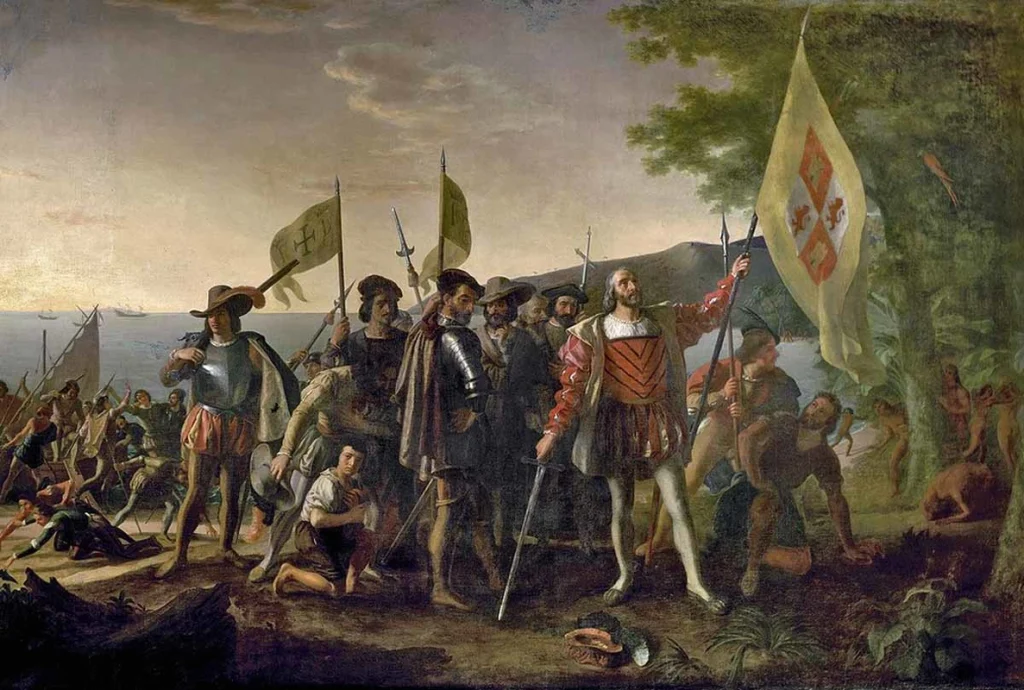
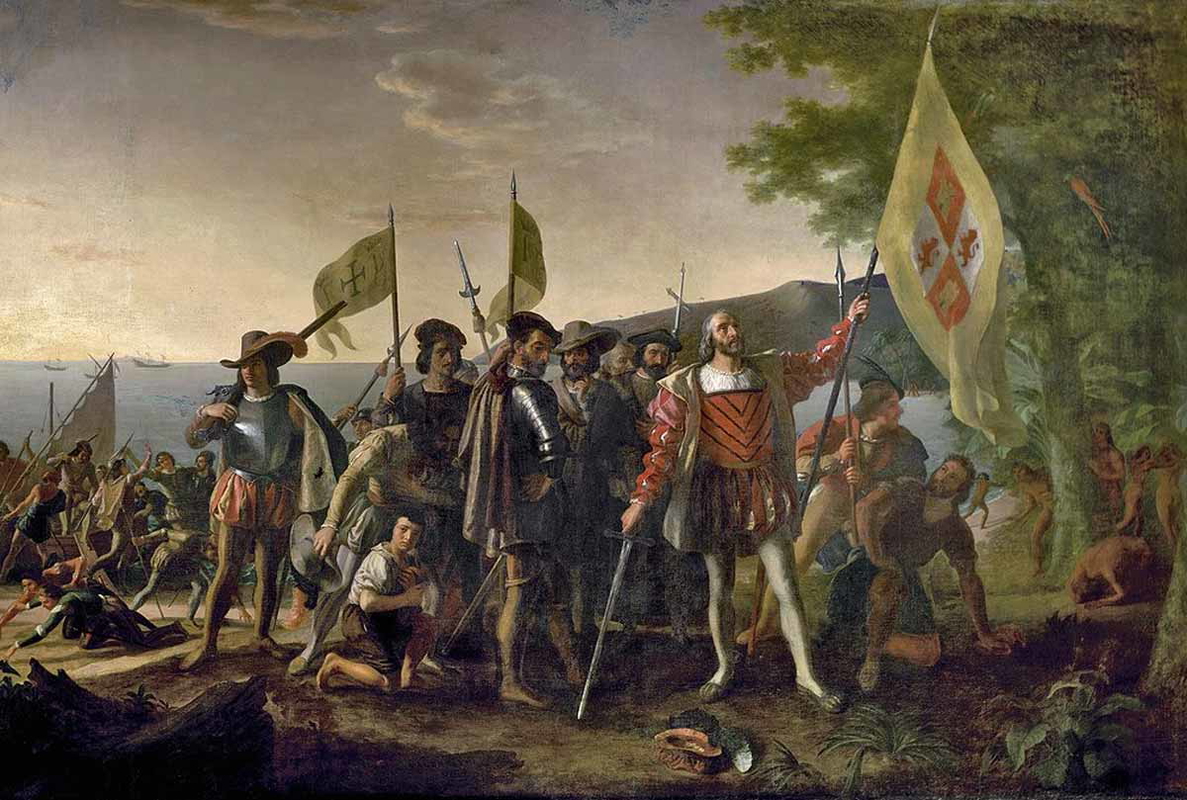
When Christopher Columbus crossed the Atlantic in 1492, he didn’t just “discover” new lands for Europe. He helped plug two previously separate worlds into each other—biologically, culturally, and economically.
Historians call this massive process the Columbian Exchange: the movement of diseases, plants, animals, technologies, ideas, and people between the Old World (Europe, Africa, Asia) and the New World (the Americas) from the late 15th century onward.
The results were revolutionary—and often catastrophic.
What Was the Columbian Exchange?
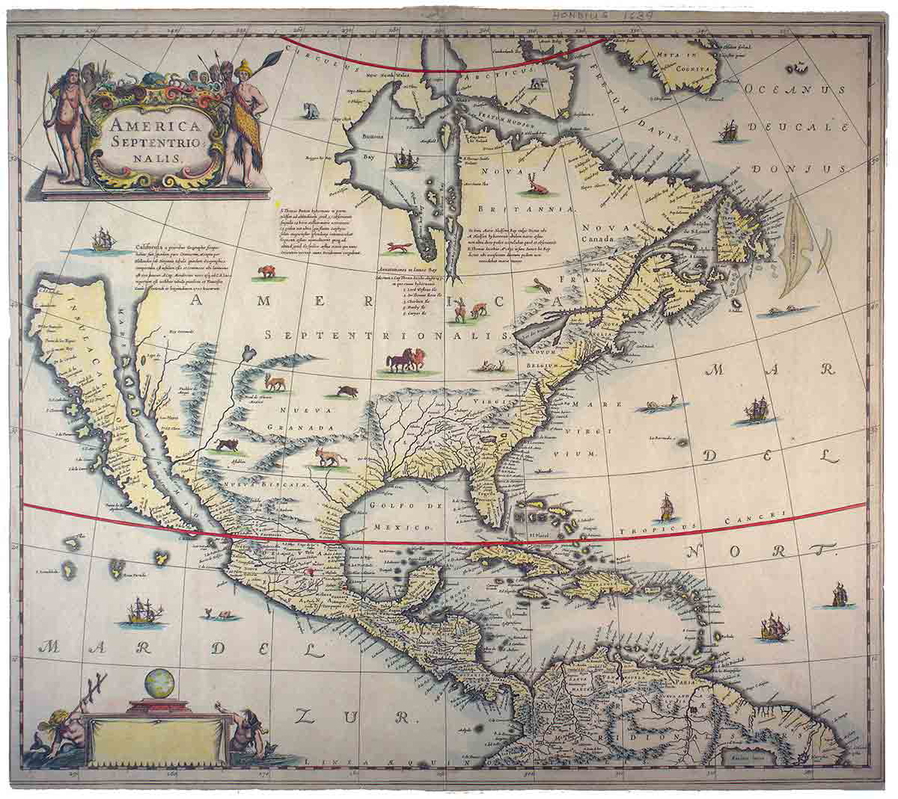
The term is named after Christopher Columbus because his first voyage in 1492 marks the symbolic starting point of this global swap. After that moment, ships carried more than gold and stories back and forth across the Atlantic:
- Microbes (diseases)
- Crops and foods
- Livestock and pack animals
- Tools, weapons, and textiles
- Enslaved and migrating populations
The consequences were enormous. Entire societies collapsed, new empires rose, diets changed worldwide, and the global economy took a new shape.
A Silent Killer: Old World Diseases in the New World
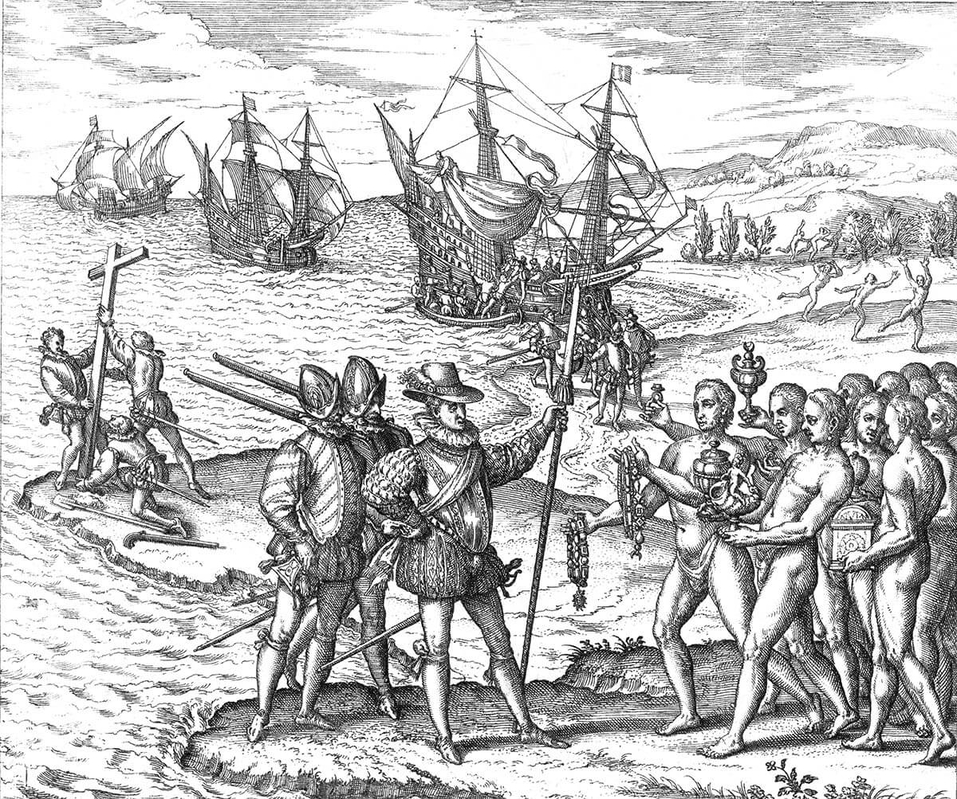
For Europeans, diseases like smallpox, measles, influenza, typhoid, and bubonic plague were terrible but familiar. Centuries of crowded cities and close contact with domesticated animals had built up some level of immunity.
For Native Americans, these germs were entirely new.
They had never been exposed to these pathogens, which meant their immune systems were unprepared. When Old World diseases arrived, they spread faster than armies and were far deadlier than any weapon.
- Some estimates suggest over 80% of the Indigenous population of the Americas died within a century of Columbus’s arrival.
- On Hispaniola, where Columbus first landed, the native population was almost completely wiped out within 50 years.
- In Mexico, the population is thought to have fallen from around 15 million (c. 1519) to about 1.5 million a century later, mostly due to disease.
Before European conquest was complete on the battlefield, disease had already done much of the damage.
Crops on the Move: New Foods for Old Worlds
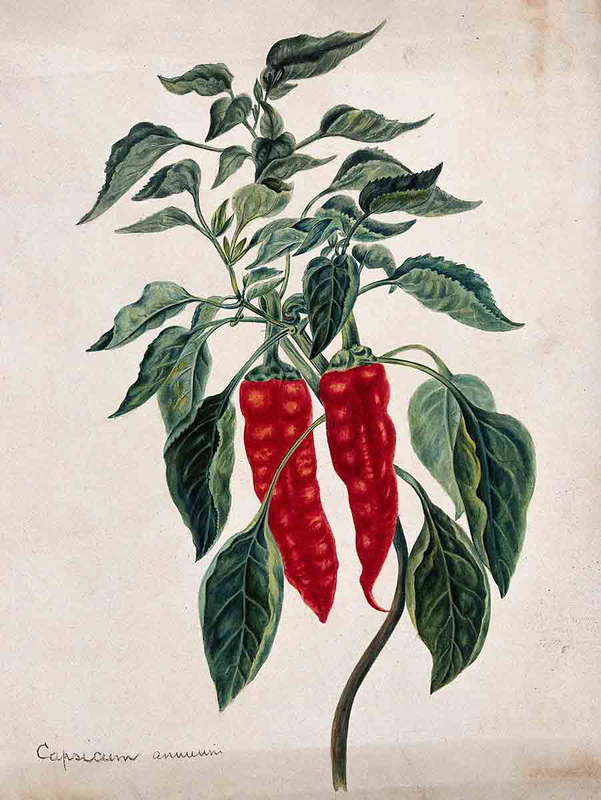
The Columbian Exchange didn’t just spread death—it also spread food, reshaping diets across the globe.
From the Old World to the New came crops like:
- Wheat
- Barley
- Rice
- Sugarcane
- Onions
- Lettuce
- Citrus fruits
From the New World to the Old came:
- Maize (corn)
- Potatoes
- Tomatoes
- Chili peppers
- Tobacco
- Pineapples
- Pumpkins
- Avocados
Some of these became staples far from their original homes.
Tobacco, for example, exploded in popularity in Europe, Africa, and Asia. It grew into a massive global industry as people embraced smoking and other forms of consumption as stimulants and social habits.
Maize (corn) had an especially big impact in Africa. Introduced in the mid-1500s, it thrived in drought-prone areas thanks to its resilience. It became a crucial food source and commercial crop, helping support growing populations in regions with unreliable rainfall.
Today it’s hard to imagine Italian food without tomatoes or Irish history without potatoes—but both originally came from the Americas. That’s the Columbian Exchange at work.
Animals That Transformed Life in the Americas
Before 1492, the Americas had relatively few domesticated animals compared to Eurasia. While there were llamas, alpacas, and a few others in specific regions, most Native societies did not have large herds of cattle, sheep, or horses.
The Old World, on the other hand, had long raised:
- Cattle
- Pigs
- Sheep
- Goats
- Chickens
- Horses and donkeys
When Europeans brought these animals to the Americas, they changed both daily life and power structures:
- New sources of meat, milk, and hides appeared.
- Oxen and other animals made plowing and transport easier.
- Horses were the true game-changer.
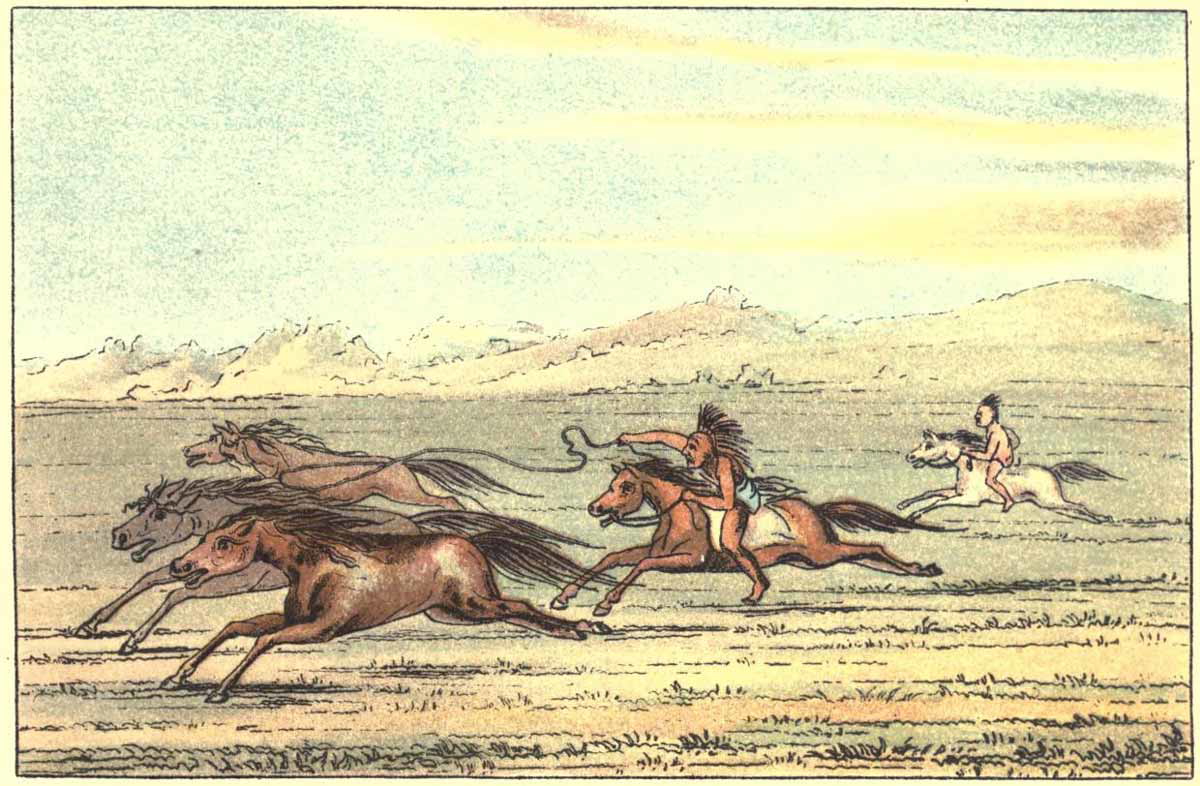
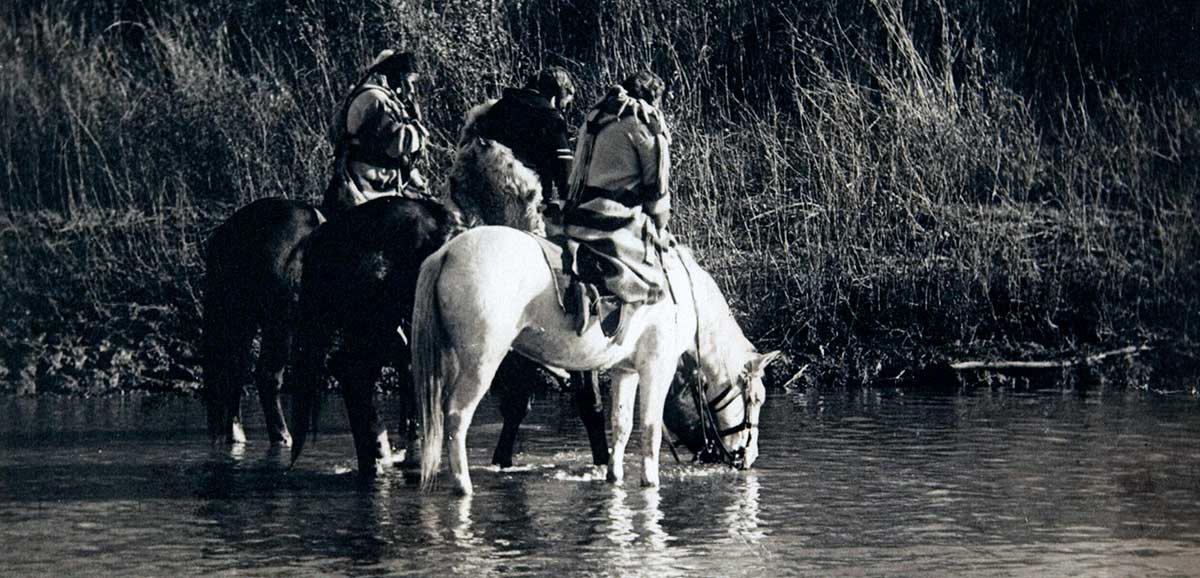
Native peoples of the North American Plains, like the Comanche and Sioux, adopted horses in the late 17th century and became legendary mounted warriors and buffalo hunters. Horses:
- Increased mobility and range
- Boosted hunting efficiency, especially for bison
- Shifted military power between tribes
- Helped some groups build regional dominance
For a time, horse-powered hunting dramatically increased food supplies—until bison herds collapsed in the 19th century due to overhunting and expansion.
In just a few generations, large parts of the Americas began to look more like Eurasia in terms of agriculture, transport, and warfare.
Guns, Steel, and Textiles
The Columbian Exchange wasn’t only biological—it was technological.
Europeans brought:
- Steel tools and weapons
- Firearms
- Metal cookware and tools
- Textiles and woven cloth
For Native communities, access to metal and guns was both tempting and destabilizing. Many tribes entered into trade relationships with Europeans to obtain:
- Guns for warfare and hunting
- Knives, axes, and other tools
- Fabric and clothing
Imported textiles meant some groups relied less on animal hides for clothing, which in turn could reduce hunting pressures in some areas—though the demand for pelts also increased because of the fur trade.
Technology opened new opportunities but also deepened dependence on European trade networks, shifting the balance of power.
A World Forever Changed
The Columbian Exchange was not a single event; it was a long, ongoing process that reshaped the world:
- It devastated Indigenous populations through disease.
- It revolutionized global diets with crops like maize, potatoes, and tomatoes.
- It transformed landscapes and societies with horses, cattle, and other livestock.
- It rewired trade and warfare through steel, guns, and textiles.
If you look at what you eat today, the animals raised around you, or the crops that anchor national cuisines, chances are you’re seeing the legacy of this exchange.
The world before 1492 and the world after it are almost different planets. The Columbian Exchange is the bridge between them.

support our project
At History Affairs, we believe history belongs to everyone.
donateYour contribution helps us keep this global archive open, free, and growing — so people everywhere can learn from the past and shape a better future.
know the present
Defense Tech Needs the State, Not Less of It
Trump Era or The New Imperial Age
America First, Venezuela, and the Trap of Old Habits
Why the AI Race Has No Winner
reading more
The Enduring Unity and Adaptability of Christian Morality
America’s Most Beloved Urban Parks
Defense Tech Needs the State, Not Less of It
Heracles and the Cretan Bull: The Seventh Labor
Political Theme in Every History Tales
Bahay Kubo: A Beloved Filipino Song Reveals Our Globalized Gardens
The British East India Company: Formation, Expansion, and Influence
The United States and Political Intervention in Latin America
How French Became the Language of Power and Prestige
Why Athens Exiled Its Most Popular Politicians
Jesus’ Ministry and the Genesis of the Early Church
Roman Senate: Backbone —and Burden—of a World-Conquering Republic