
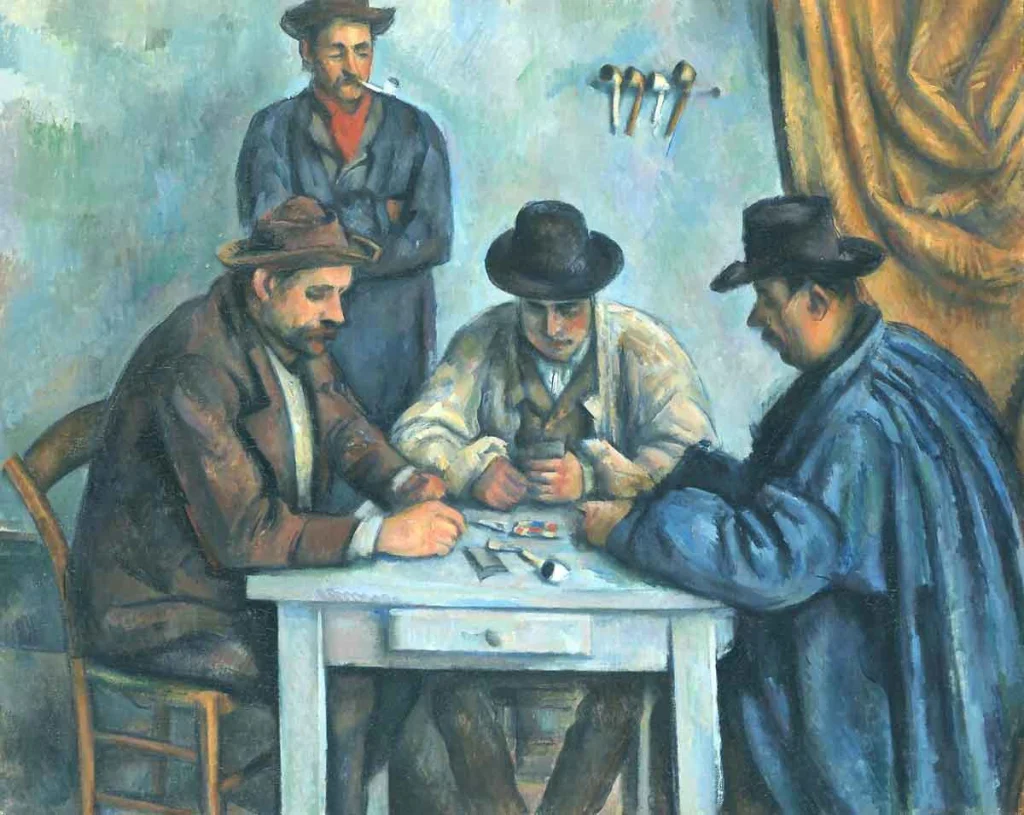
Jean-Paul Sartre was not just “a French philosopher.” He was the public face of philosophy in mid-20th-century Europe: chain-smoking in Parisian cafés, arguing about freedom and meaning, giving packed lectures, and turning existential dread into a cultural mood.
He helped popularize existentialism, became a symbol of postwar intellectual life, and even won the Nobel Prize in Literature—only to make headlines again by refusing it.
Here are five of his most famous lines, unpacked in plain language and tied back to the questions we keep asking ourselves: Who am I? How free am I, really? And what am I supposed to do with this life?
1. “Existence precedes essence.”
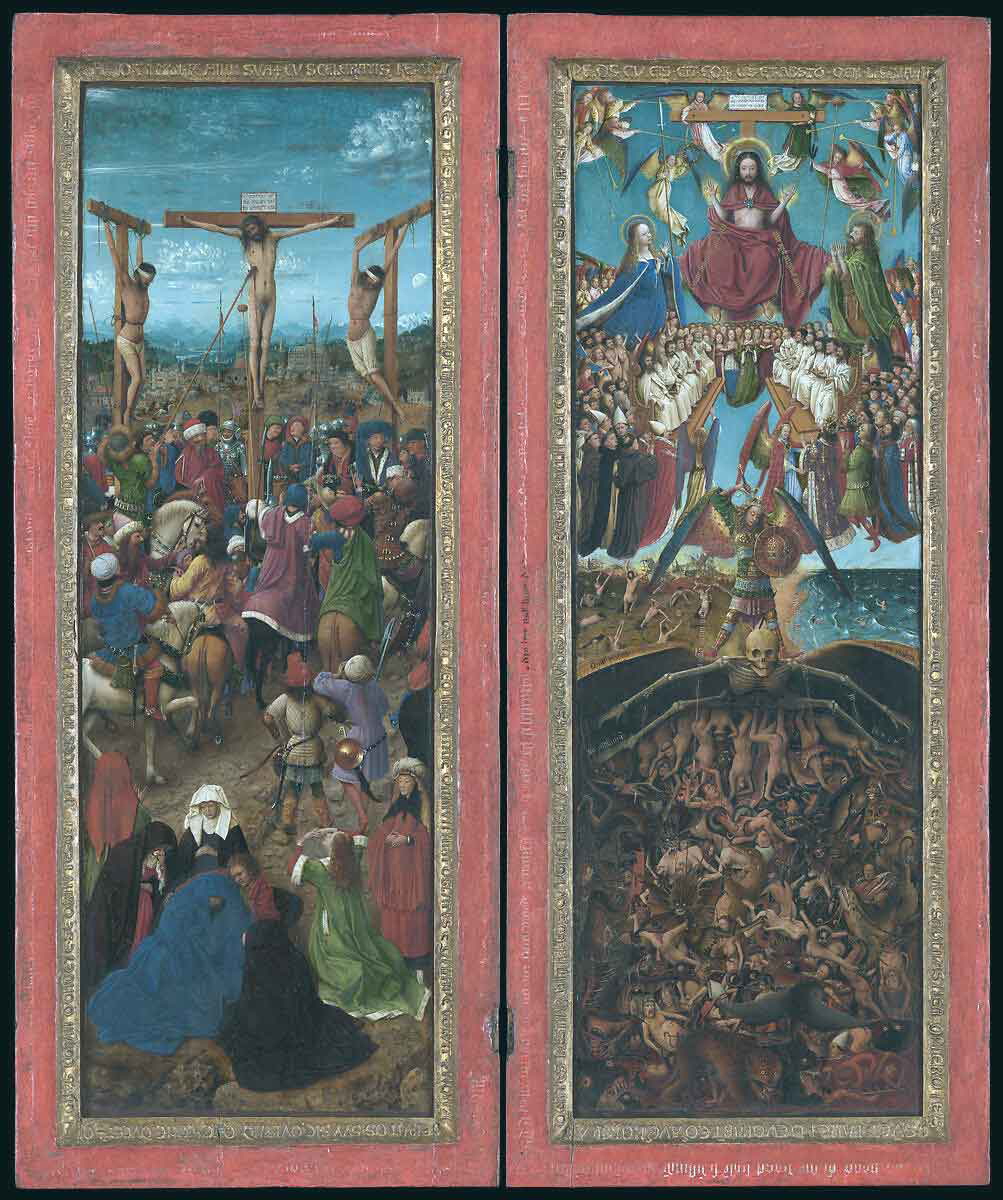
At the heart of Sartre’s philosophy is this strange sentence: “Existence precedes essence.”
For centuries, people assumed humans had some built-in nature—an “essence”—that defined what we are and what we’re for. Sartre flips that around. We don’t start with a ready-made definition. We’re thrown into the world first, and only then we slowly become something through our choices.
In other words: you aren’t born with a fixed script. You write it as you go.
Yes, your starting point matters. One person might be born rich and connected, another poor and marginalized. Sartre doesn’t deny this. But he rejects the idea that background equals destiny. However unfair the starting line, who you become is not a prewritten role—you participate in making it, every day, by what you do and what you refuse to do.
We don’t discover a “true self” hidden somewhere inside like a secret file. We build ourselves through our decisions.
2. “Hell is other people.”
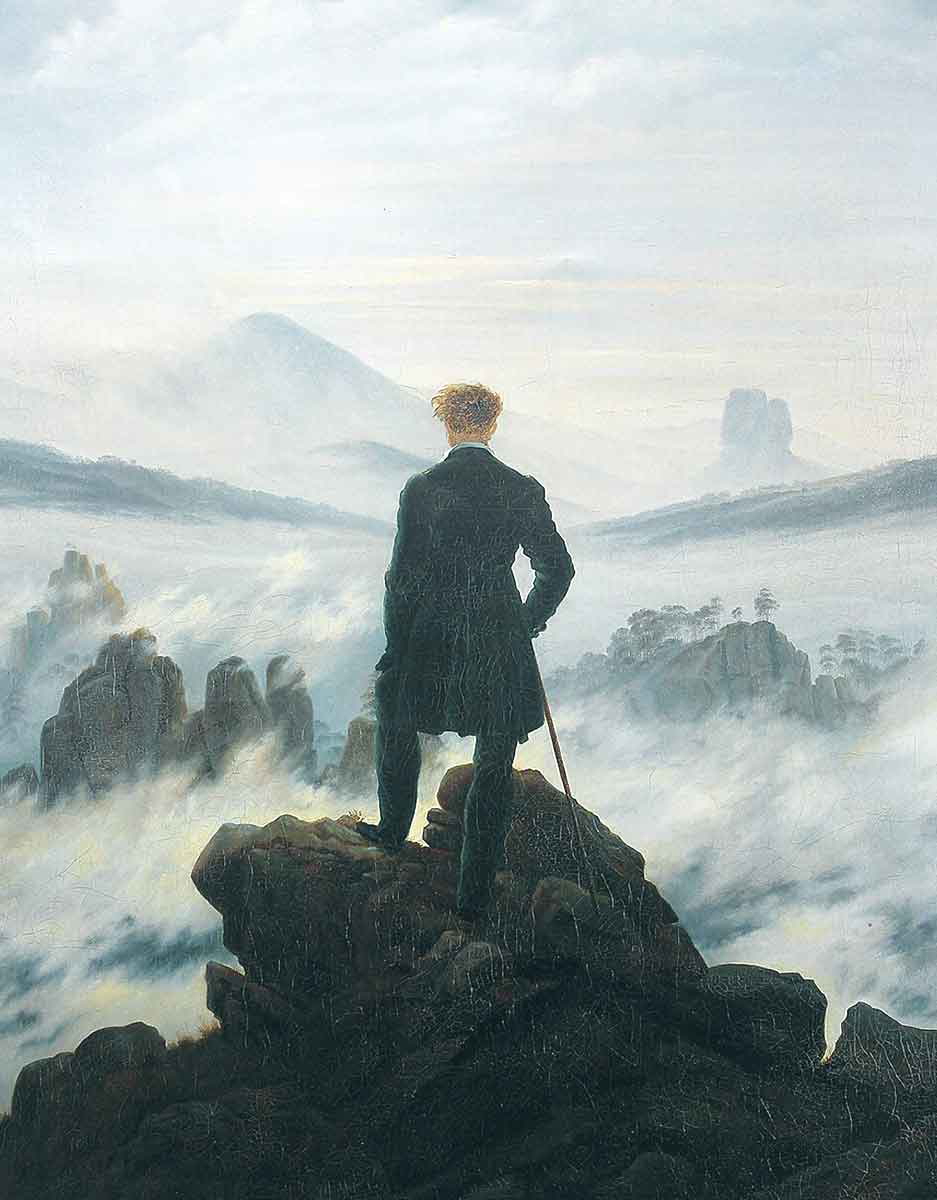
Few Sartre quotes are more misunderstood than “Hell is other people.” It sounds like pure misanthropy, but that’s not quite it.
Sartre is interested in what happens when we’re seen by others. Under someone else’s gaze, we suddenly feel like an object: judged, classified, pinned down. Their opinion can start to feel like a prison. Instead of acting freely, we begin to perform identities for them—trying to fit their expectations, avoid their criticism, or win their approval.
That’s where “hell” comes in:
not because other people are awful by definition,
but because it’s so easy to live a life of image management instead of authenticity.
Think of social situations where everyone politely acts interested, hides their real worries, and smiles through boredom. We know the roles; we play them. The risk is that we slowly become what others expect, rather than what we actually want to be.
Yet Sartre isn’t saying we must flee other people. The same shared space can also be where we find genuine connection, solidarity, and love. Other people can trap us in their gaze—but they can also be witnesses to who we’re trying to become.
3. “I am condemned to be free.”
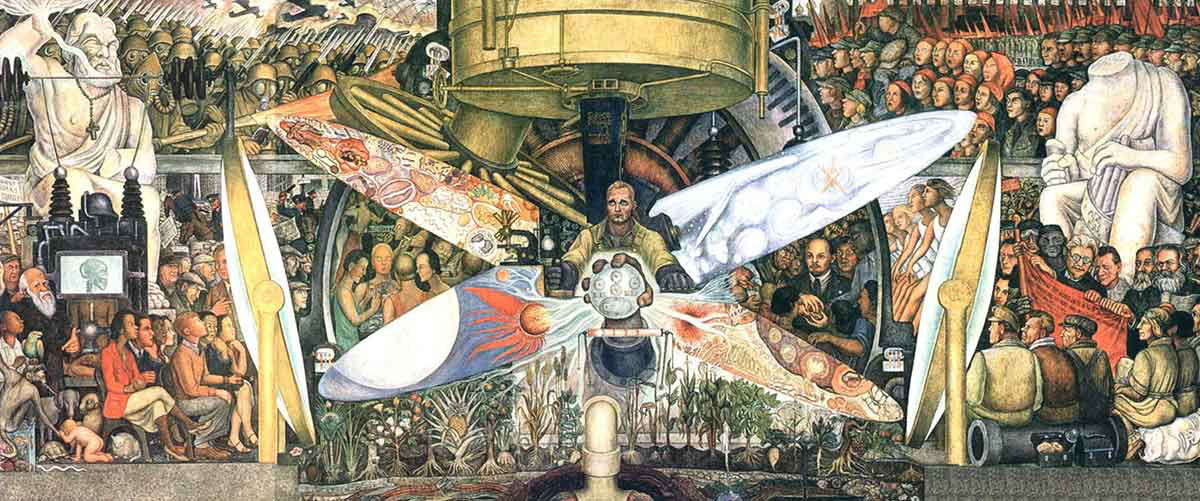
This is Sartre at his most dramatic: “I am condemned to be free.”
It sounds contradictory—how can freedom be a sentence? For Sartre, it’s because there is no ultimate instruction manual for life. No divine blueprint, no universal script that tells you exactly who to be and what to do. That emptiness is terrifying and empowering.
You cannot escape choosing.
Even not choosing is… a choice.
Consider someone torn between a safe job and a risky creative path. They might wish for a sign from the universe, some authority that tells them what they “should” do. Sartre’s answer is harsh: the universe stays silent. You decide, and by deciding, you reveal what you value.
This is what he calls radical freedom. Social pressure, family expectations, economic constraints—these are real, but they never completely erase your ability to choose your response. That’s why Sartre calls us “condemned” to be free: there’s no exit from responsibility.
4. “Man is nothing else but what he makes of himself.”
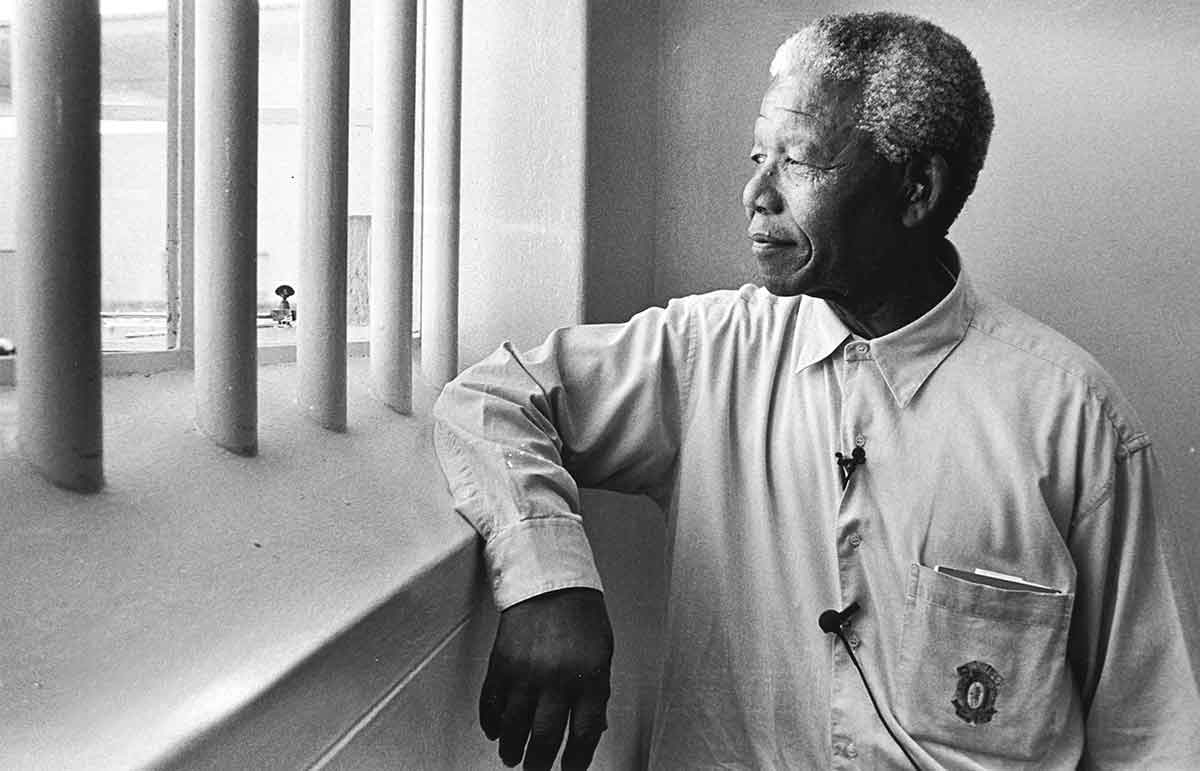
Here Sartre pushes the point even further. You are not defined by a hidden, unchangeable core. You are defined by your pattern of actions over time.
Freedom, then, isn’t just the absence of chains. It’s the ongoing, often exhausting work of self-creation.
Imagine someone choosing between a prestigious career that impresses everyone and a quieter path that aligns with their real interests. Their choice doesn’t just “pick a job”; it reveals the kind of person they’re willing to become. Over years, repeated decisions accumulate into character:
- someone who repeatedly chooses courage becomes courageous
- someone who consistently chooses comfort over integrity becomes cowardly
There is no external label—“hero,” “loser,” “saint,” “selfish one”—that is stamped on us in advance. We grow into those descriptions through lived choices.
Sartre’s challenge is simple and uncomfortable: you don’t find yourself, you make yourself.
5. “Freedom is what you do with what has been done to you.”
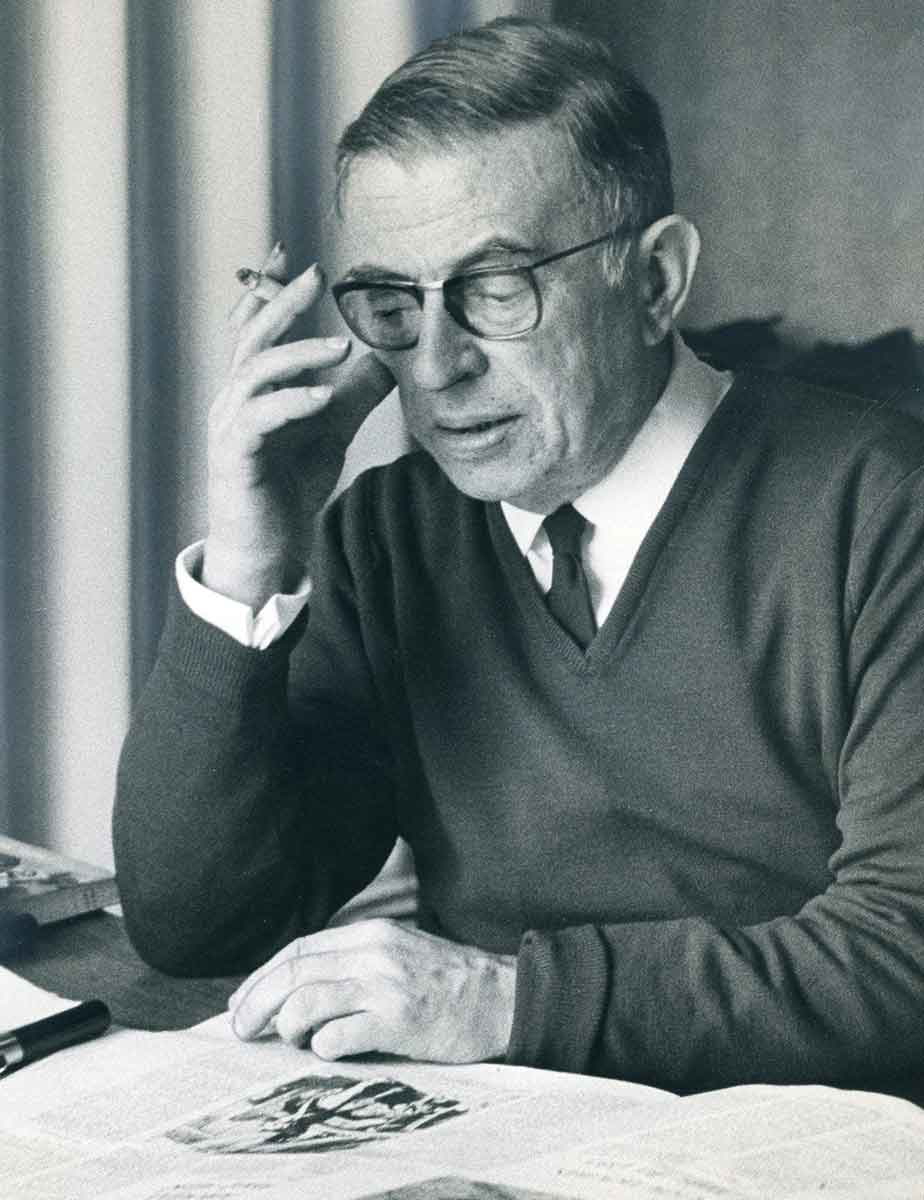
This is one of Sartre’s most grounded and humane lines. It’s where his philosophy meets real life.
He knows we are shaped by forces we didn’t choose: family history, social structures, trauma, war, injustice. These things mark us deeply. But for Sartre, they never completely erase freedom. The core of freedom isn’t choosing our circumstances—it’s choosing our response to them.
We don’t control what happens, but we always participate in what we do with what happens.
Think of someone like Nelson Mandela: 27 years in prison could have crushed him into bitterness or despair. Instead, he used that experience as a time of reflection and preparation. When he was released, he chose a path that prioritized reconciliation over revenge. That doesn’t magically erase the injustice, but it shows what Sartre means: even when life is brutally unfair, there remains some space—however small—to respond, reinterpret, and act.
At a smaller scale, the same principle applies to us. We inherit wounds, habits, and injustices. Sartre’s question is: what will you do with them now?
What Sartre Leaves Us With
Sartre’s quotes are not cozy slogans. They’re meant to unsettle us.
- He tells us we are freer than we’d like to admit.
- He warns that other people’s gaze can trap us—but can also be the place where real connection happens.
- He insists that our past, however heavy, doesn’t finally decide who we are. Our response still matters.
Taken together, his ideas push us toward a demanding conclusion:
There is no ready-made meaning waiting for us.
There is no prewritten self we just have to “discover.”
There is only this life, this set of circumstances, and the responsibility—sometimes thrilling, often frightening—to shape something honest out of it.

support our project
At History Affairs, we believe history belongs to everyone.
donateYour contribution helps us keep this global archive open, free, and growing — so people everywhere can learn from the past and shape a better future.
know the present
Defense Tech Needs the State, Not Less of It
Trump Era or The New Imperial Age
America First, Venezuela, and the Trap of Old Habits
Why the AI Race Has No Winner
reading more
Ulrich Zwingli: The Swiss Reformer Who Shaped Protestantism
Strabo: The Man Who Wrote the World for Empire
York: A Walk Through 1,000 Years of Medieval History
15 Key Persons Drawing the World War II Picture
Julius Caesars Kidnapped: A Turning Point in His Rise to Power
Axis Powers in World War II: The Rise and Fall of Tyranny
The Secret of the Black Chamber: How Letters Were Spied On in 18th-Century Europe
Understanding Blitzkrieg Tactics: Lightning War Unleashed
The Assassination of Caesar: Why the Ides of March Mattered
Egyptian Art: From Balance to Brilliance
Louis XIV: The Sun King’s Long Reign
How King Alfred Defied Defeat and Built a Legacy