

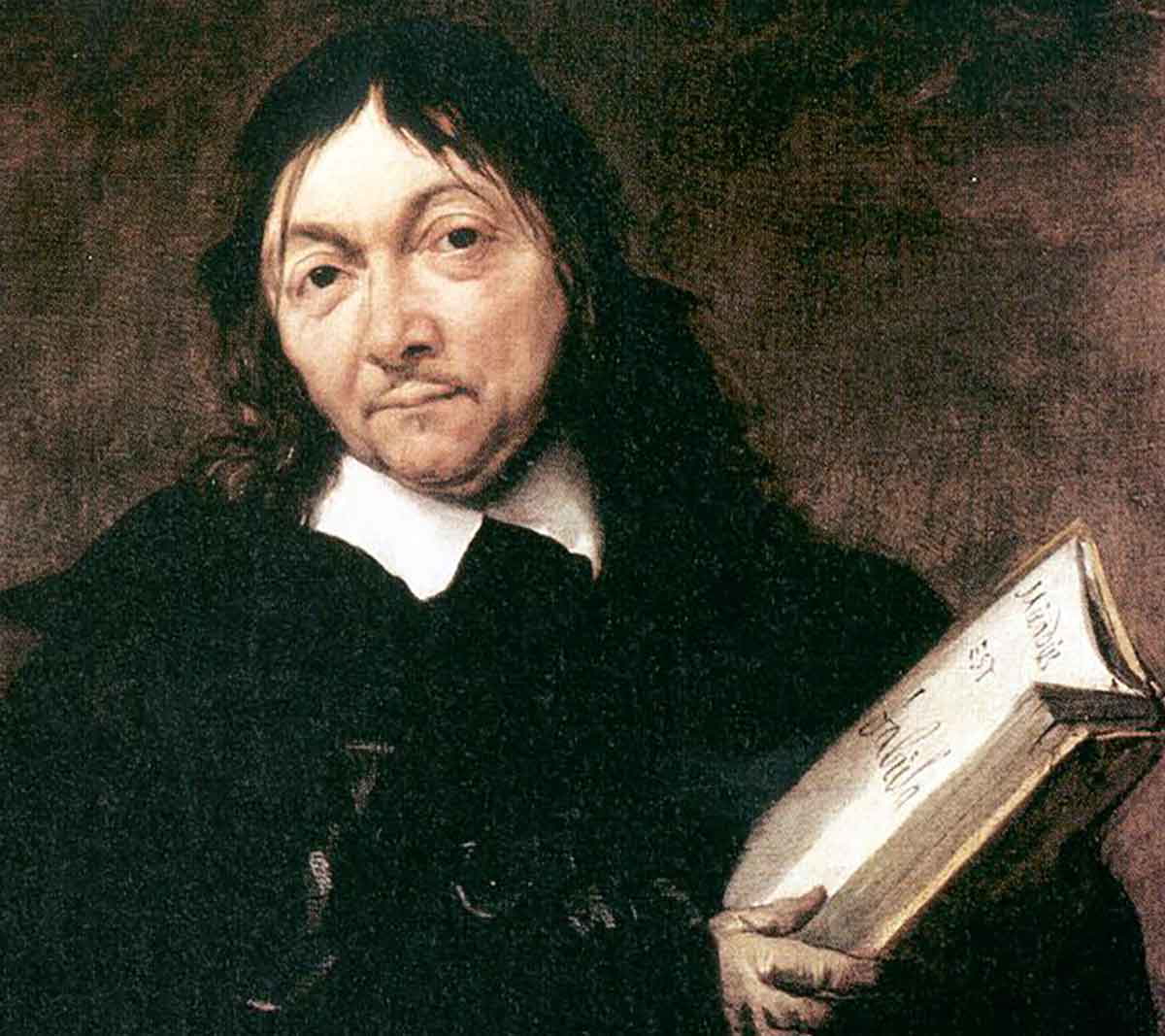
René Descartes is often called the father of modern philosophy because he reset the basic question: What can I really know for sure? Instead of accepting inherited beliefs, he proposed a strict method—doubt everything you can, then rebuild knowledge from what survives that doubt.
Across works like Discourse on the Method, Meditations on First Philosophy, and Principles of Philosophy, Descartes left a handful of lines that people still repeat today. Let’s walk through five of his most famous quotes—what they mean, where they come from, and why they still matter.
1. “Cogito, ergo sum” – I think, therefore I am
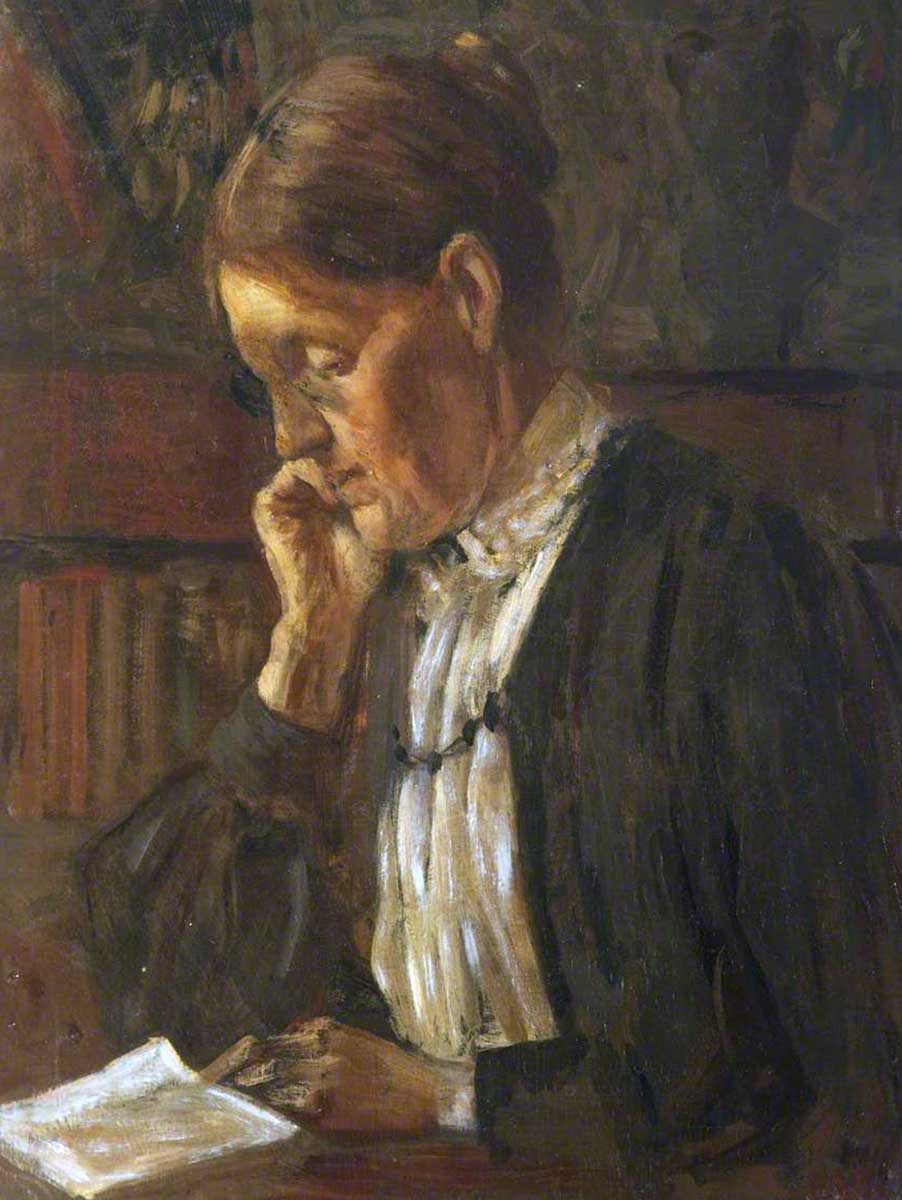
Nothing is more closely tied to Descartes than this line: Cogito, ergo sum—“I think, therefore I am.”
Descartes’ project began with radical doubt. He tries to question everything:
- his senses (they sometimes deceive him),
- mathematics (perhaps an all-powerful deceiver tricks him),
- even the existence of the physical world.
But as he pushes doubt to the limit, he notices something that can’t be doubted: the very act of doubting.
If he is doubting, then something is doing the doubting. If he is thinking—even if the thought is “maybe I’m being deceived”—that thinking confirms that he exists as a thinking being. You can’t be mistaken about the fact that you’re thinking right now; you can only think it.
So “I think, therefore I am” becomes his first absolutely certain truth. It’s not a fancy argument, more a moment of insight: thinking and existing are inseparable for the one doing the thinking.
From here, Descartes draws big conclusions. If this “I” can be known more clearly than the body or external world, then mind and body are not the same kind of thing. This is the root of Cartesian dualism: the view that mind (a thinking, non-extended thing) and body (an extended, non-thinking thing) are distinct—even though they interact.
2. “Divide each difficulty into as many parts as is feasible and necessary to resolve it”
This quote comes from Descartes’ Discourse on the Method, where he lays out rules for clear thinking. One of them is surprisingly practical: when you face a complicated problem, break it into smaller problems.
Instead of trying to tackle a messy issue in one big bite, you split it up:
- Suppose you’re trying to launch a new product. You can divide the challenge into design, manufacturing, marketing, pricing, support, etc.
- Or think about learning a difficult subject. You break it down into units and subtopics instead of staring helplessly at a whole thick book.
For Descartes, this isn’t just a productivity hack; it’s a way to avoid confusion. Large, tangled problems overwhelm the mind. But smaller, simpler questions can be examined clearly, step by step.
His method basically says:
- Don’t rush to answer big questions.
- Cut them into parts.
- Solve the parts you can see clearly.
- Rebuild the whole from those clear pieces.
It’s the same strategy that underlies modern science, engineering, and even debugging code: analyze, break down, and then reconstruct.
3. “The reading of all good books is like a conversation with the finest minds of past centuries”

Descartes was not against tradition—but he refused to accept it blindly. He thought one of the best ways to engage with tradition is through reading.
When we read “good books,” especially those that have survived through time, he suggests we are in a kind of conversation with their authors. These writers are long dead, but their ideas still speak, challenge, and question us.
Reading:
- exposes us to different viewpoints,
- sharpens our ability to argue and reason,
- prevents us from being trapped in the limits of our own era or personal bubble.
Picking up Descartes’ own Meditations is like sitting across the table from him as he walks through his doubts, arguments for God, and the nature of the mind. Reading Plato’s Republic is like entering a long discussion about justice and the ideal society. These aren’t passive experiences; they are intellectual dialogues.
For Descartes, reading is part of training the mind. It gives us raw material—arguments, examples, objections—that we can then think through for ourselves. We’re not just collecting quotes; we’re learning how great minds argued and how they handled disagreement and doubt.
4. “It is not enough to have a good mind; the main thing is to use it well”
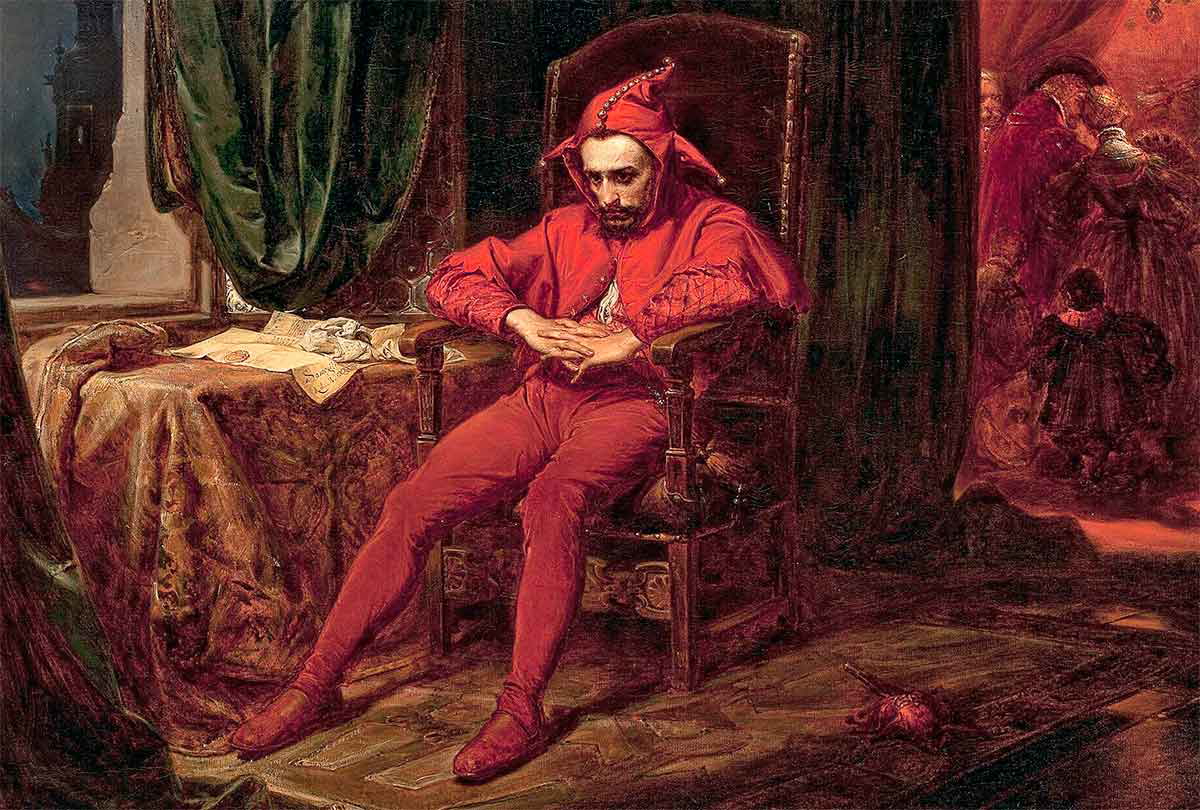
Descartes never worshipped intelligence for its own sake. This quote is his reminder that raw brainpower is not what really counts.
“Having a good mind” can mean having:
- quick understanding,
- strong memory,
- natural talent for reasoning.
But, he says, that’s only the starting point. What really matters is how you use your mind.
You might imagine:
- one person is brilliant but lazy, never finishing projects, never checking their assumptions;
- another is less naturally gifted but disciplined, careful, and willing to think hard and long.
For Descartes, the second person is closer to what a “well-used mind” looks like.
Using the mind well means:
- thinking critically instead of accepting everything at face value,
- organizing your thoughts with methods (like breaking problems down),
- examining evidence and arguments carefully,
- striving for clarity rather than being content with vague impressions.
His whole philosophy is not about showing off his own intellect, but about offering tools—like methodical doubt and step-by-step reasoning—that anyone can adopt to make better use of whatever mind they have.
5. “If you would be a real seeker after truth, it is necessary that at least once in your life you doubt, as far as possible, all things”
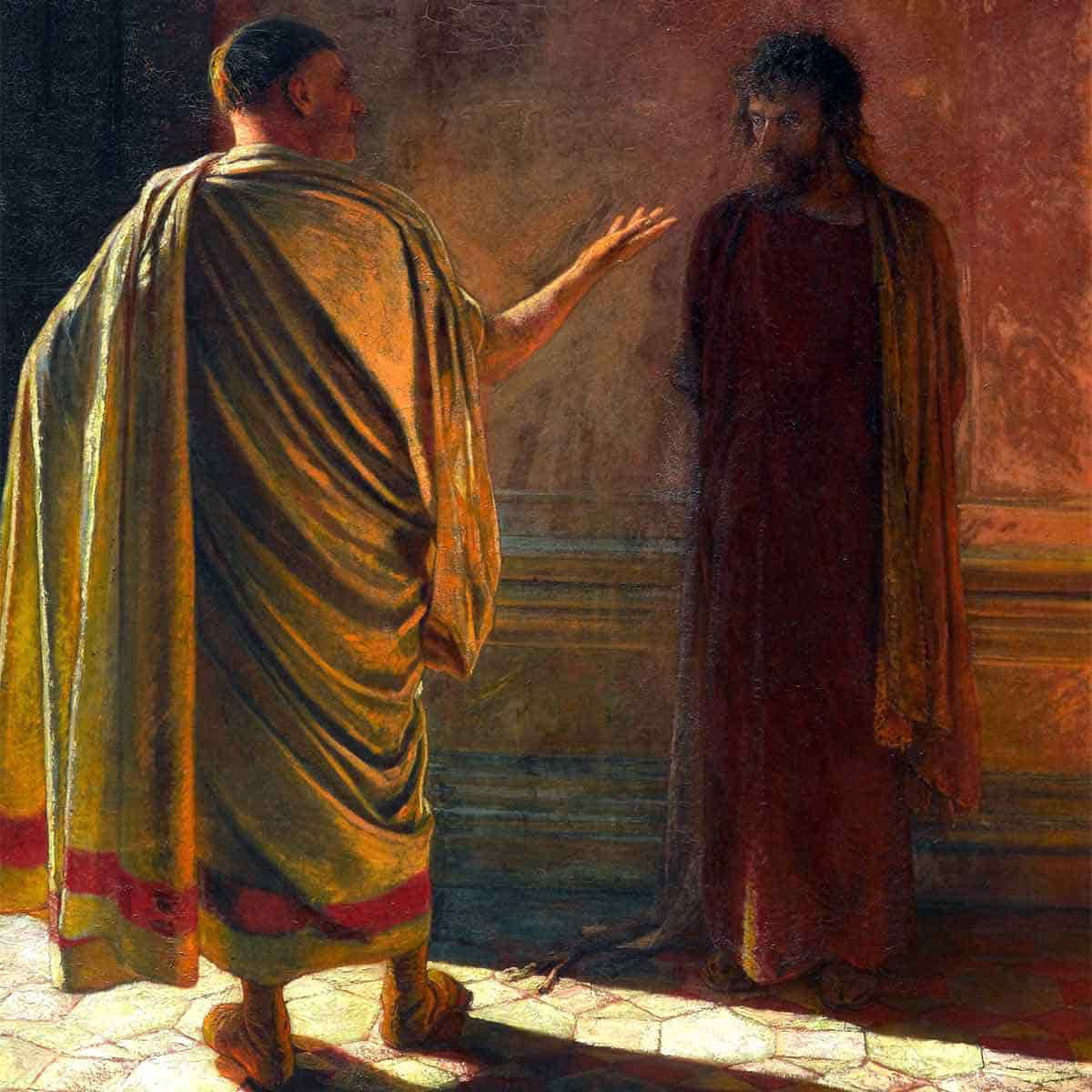
This line captures Descartes’ most radical idea: if you truly care about truth, you can’t just inherit your beliefs and leave them unexamined. You must, at least once, be willing to question absolutely everything you can.
He dramatizes this in the Meditations with thought experiments:
- What if your senses are unreliable?
- What if your memories are wrong?
- What if an all-powerful deceiver is tricking you about everything—even mathematics?
This “evil demon” scenario isn’t something he literally believes. It’s a tool to push doubt to its limit, to see what—if anything—can survive such extreme questioning.
The point isn’t to stay stuck in doubt forever. It’s to:
- Shake loose all the beliefs that rest only on habit, authority, or untested assumptions.
- Find a small set of beliefs that remain absolutely certain (like “I think, therefore I am”).
- Rebuild knowledge on those firmer foundations.
In everyday life, this might look like someone questioning the religion, ideology, or worldview they grew up with; or re-evaluating career and life choices they made on autopilot. Descartes’ advice is not comfortable, but it is honest: if you really want truth, you have to risk doubting what you love and what you’re used to.
What Descartes Leaves Us With
Across these five quotes, a consistent picture emerges:
- Start from what you cannot doubt. “I think, therefore I am” is the model.
- Use method, not impulse. Break problems into parts, think in steps, demand clarity.
- Learn from others. Good books are conversations with powerful minds who can stretch your own.
- Don’t waste your abilities. A “good mind” is only meaningful if you actually employ it carefully.
- Be brave enough to doubt. Real seekers of truth are willing to question even their most cherished beliefs.
Descartes doesn’t give us final answers to every question, but he does give us a way of working: a disciplined, courageous, and reflective approach to thinking. In a world overflowing with information, opinion, and noise, that method may be more valuable than ever.

support our project
At History Affairs, we believe history belongs to everyone.
donateYour contribution helps us keep this global archive open, free, and growing — so people everywhere can learn from the past and shape a better future.
know the present
Defense Tech Needs the State, Not Less of It
Trump Era or The New Imperial Age
America First, Venezuela, and the Trap of Old Habits
Why the AI Race Has No Winner
reading more
The Rose: A Short History
A Brief History of the Carthaginians
The Charge of the Light Brigade: What Really Happened
A Short Explain on the Fall of the Mongol Empire
Locke and the Morality in Early Modern England
5 Key Myths About the Greek God Hades
Ottoman Women 1500–1800: Home, Work, and Power
Mussolini’s Gamble: Why Italy Was Doomed in World War II
Philosophical Problems and Systems
Trump Era or The New Imperial Age
Druids and the Soul of Wales
Discover Michigan’s Historic Towns: The Top 10 Addresses