
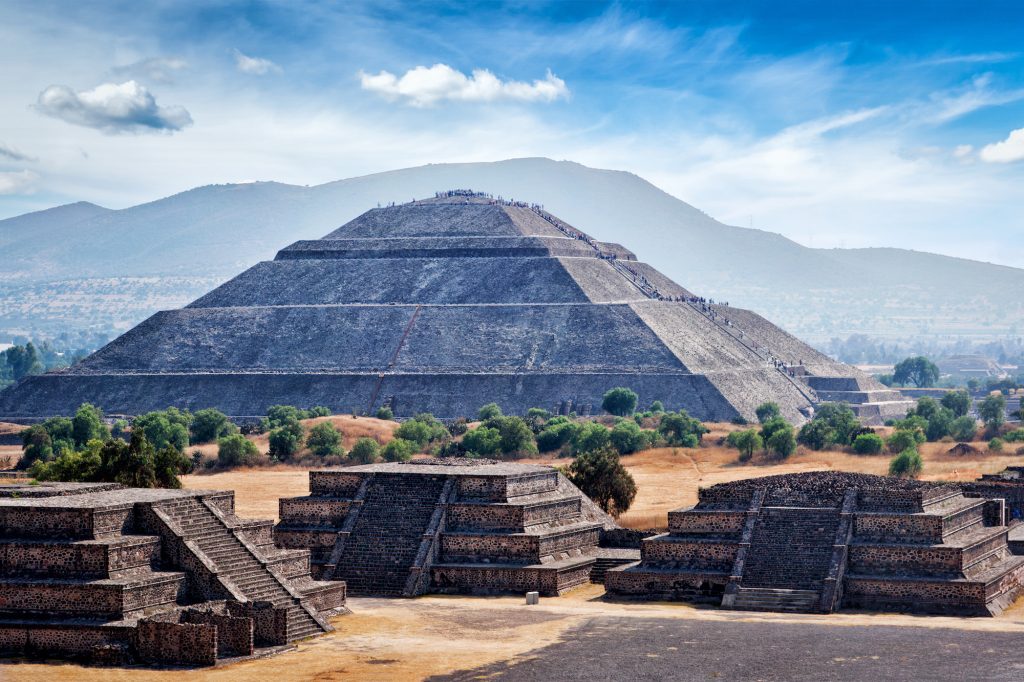
Long before Europeans crossed the Atlantic, the Americas were full of thriving cities, complex societies, and impressive architecture. From the forests and river valleys of North America to the deserts of Peru and the lakes of central Mexico, Indigenous peoples built urban centers that rivaled and sometimes surpassed European cities of the same era.
Here are four of the most remarkable pre-colonial cities of the Americas.
Cahokia: The City of Mounds in the Mississippi Valley

Just across the Mississippi River from modern-day St. Louis, Missouri, lie the remains of Cahokia, the largest known pre-colonial city north of Mexico.
From about 1050 to 1350 CE, Cahokia flourished as the heart of the Mississippian culture, a network of societies spread across the Midwestern, Eastern, and Southeastern United States. At its peak around 1100 CE, Cahokia may have housed 15,000–20,000 inhabitants—and some modern estimates go as high as 40,000. That would have made it larger than many European cities of the same time, including London and Paris.
We don’t know what its people called their city. The name “Cahokia” actually comes from a different Indigenous group who lived in the area when French explorers arrived in the 17th century.
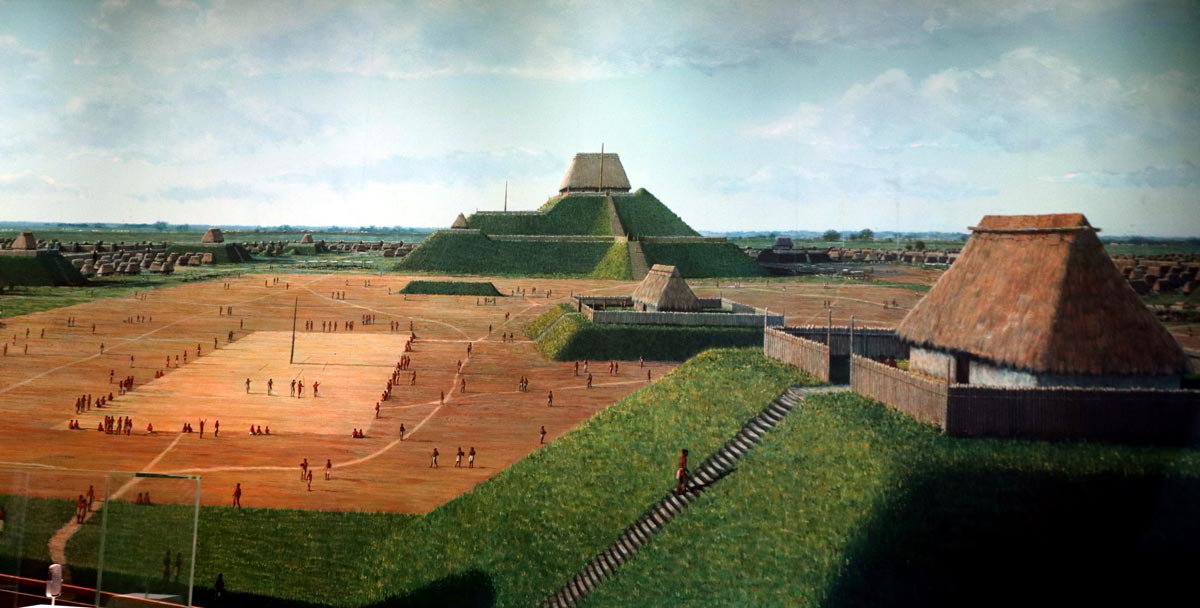
What we do know, thanks to archaeology, is that Cahokia was a planned city. It had:
- Clearly defined residential, public, and ceremonial areas
- Surrounding farmland, much of it devoted to corn
- A hierarchical society, probably ruled by a religious elite
The city is most famous for its earthen mounds. The largest, known as Monks Mound, supported important buildings and ritual activity. Religious ceremonies, including human sacrifice, appear to have played a role in reinforcing the power of Cahokia’s ruling class.
Today, the remains of this city are preserved at Cahokia Mounds State Historic Site, which includes 51 surviving mounds and a partial reconstruction of the wooden palisade that once enclosed part of the settlement. Recognized for its importance, it was named a UNESCO World Heritage Site in 1982.
Teotihuacan: The Avenue of the Dead and the Pyramids
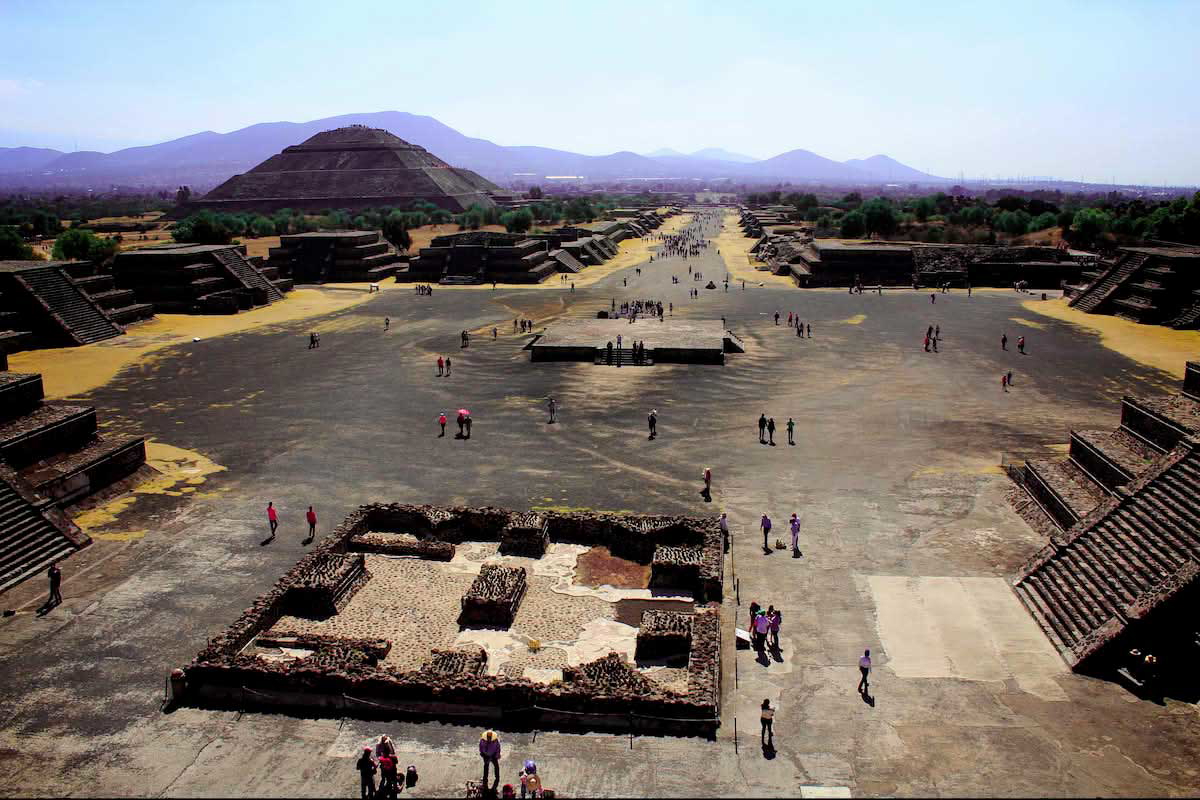
Just 25 miles northeast of Mexico City stands one of the most iconic archaeological sites in the world: Teotihuacan.
Although later associated with the Aztecs, Teotihuacan is much older. The area was first settled around 400 BCE, but the city truly exploded in size between 1 and 500 CE, becoming the largest city in the Americas at the time. Estimates of its population vary widely—from 25,000 to as many as 125,000 inhabitants.
Teotihuacan was meticulously laid out, with:
- The broad Avenue of the Dead, a 1.5-mile (2.4-km) long processional road about 130 feet (40 meters) wide
- The Pyramid of the Moon at the northern end of the avenue
- The even larger Pyramid of the Sun to the east
- Numerous temples, plazas, and residential compounds

The city was also a major trade hub, likely dominating the regional obsidian trade—crucial for tools and weapons. Goods such as cacao, cotton, ceramics, feathers, and other luxury items probably passed through its markets.
One of Teotihuacan’s enduring mysteries is its origin. We still don’t know exactly who built the city or which people ruled it. Architectural and artistic styles seen there appear again in various Mesoamerican cultures before and after, suggesting its influence spread widely.
Teotihuacan’s fall is equally unclear. We know that at some point, a great fire swept through parts of the city. It may have been an internal uprising, an external invasion, or some combination of both. By the middle of the 8th century CE, the once mighty metropolis was largely abandoned.
Today, Teotihuacan covers about 32 square miles (83 square kilometers) and remains one of the most visited archaeological sites in Mexico. It became a UNESCO World Heritage Site in 1987.
Chan Chan: The Adobe Capital of the Chimor Kingdom
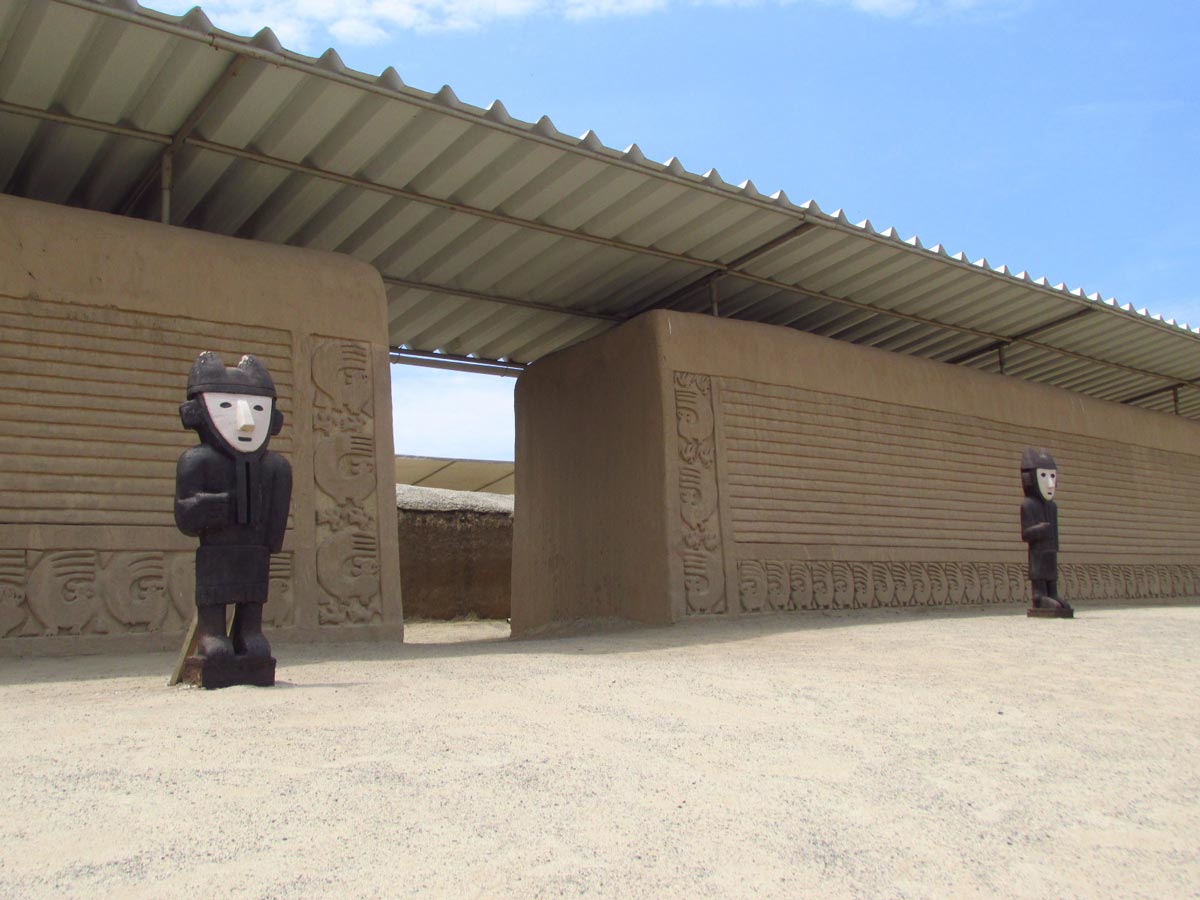
On the arid northern coast of Peru, near the modern city of Trujillo, lie the vast ruins of Chan Chan—the largest adobe city ever built.
Chan Chan was the capital of the Chimor Kingdom, which rose around 900 CE and dominated the region until it was conquered by the Inca around 1470 CE. The city itself likely took shape in the mid-9th century and reached its peak around 1000 CE.
Located on a desert coastal plain at the mouth of the Moche River, Chan Chan depended on water flowing from a glacial lake high in the Andes. At its height, the city is thought to have housed 40,000 to 60,000 people.
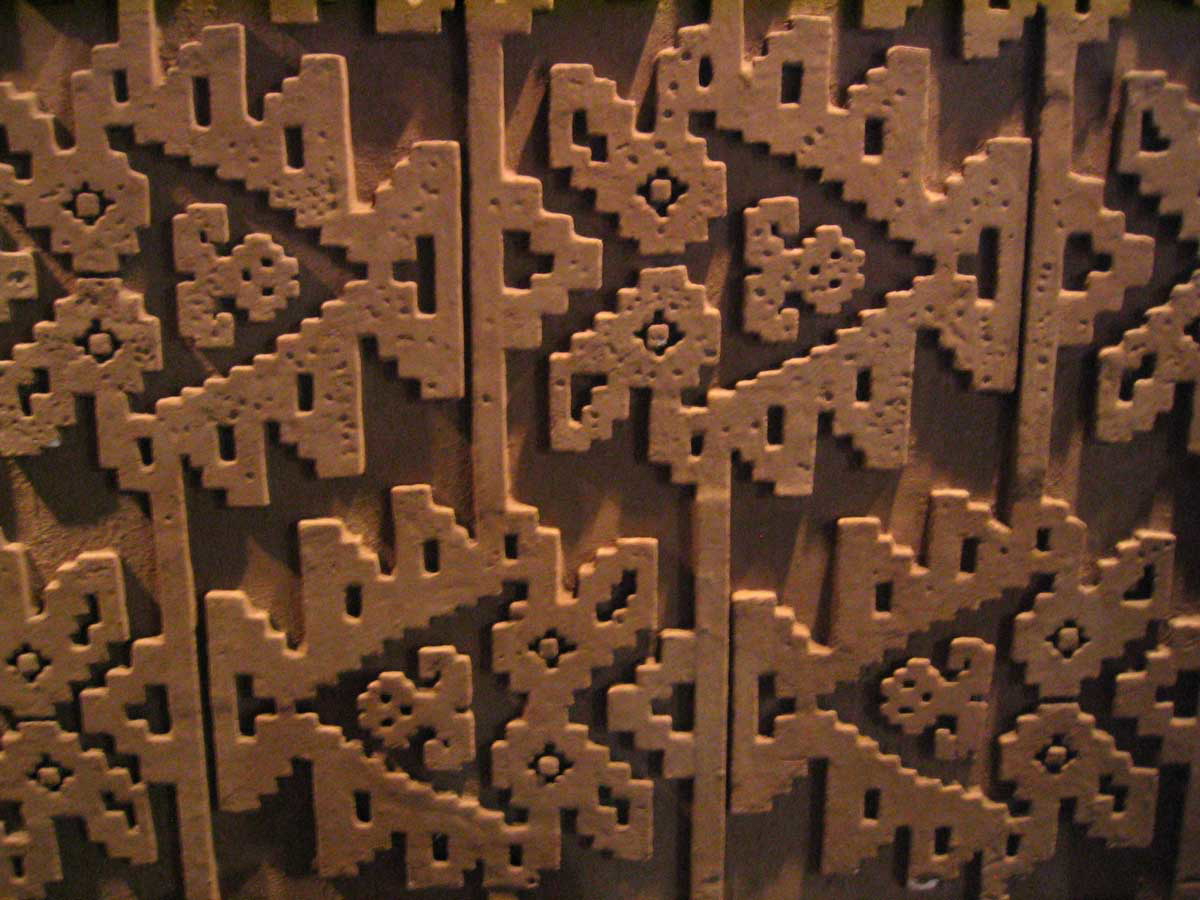
The ruins stretch across 14 square miles (36 square km). Thanks to the dry climate, many of the adobe walls, passageways, and carved decorations have survived, though recent climate changes and El Niño events have caused damage and erosion.
Chan Chan’s layout reflected a highly stratified society:
- The center contained large walled compounds or citadels, each with its own plazas, gardens, reservoirs, pyramidal temples, tombs, and residences for the elite.
- Commoners lived in more modest dwellings outside these ceremonial and administrative cores.
After the Inca conquest disrupted Chimor’s political structure, Chan Chan went into decline. Its fate worsened when the Spanish founded Trujillo nearby; the new colonial city quickly overshadowed the old capital. The Spanish also looted Chan Chan, stripping it of valuables and leaving the adobe structures to slowly decay.
In 1986, recognizing its historical and cultural importance, Chan Chan was designated a UNESCO World Heritage Site.
Tenochtitlan: The Island City of the Aztecs

Perhaps the most famous pre-Columbian city is Tenochtitlan, the capital of the Aztec (Mexica) Empire, built on an island in Lake Texcoco in central Mexico.
According to Aztec tradition, their war god Huitzilopochtli instructed them to settle where they saw an eagle perched on a cactus, holding a snake in its beak—a symbol that still appears on the flag of Mexico today. Around 1325, they founded Tenochtitlan on a small, swampy island near the lake’s western shore.
The city grew rapidly. A rival settlement, Tlatelolco, arose on the northern part of the island, but was eventually conquered and absorbed into Tenochtitlan. Through warfare and alliances, the Aztecs built a powerful empire that funneled tribute and goods into their capital.
By the early 16th century, Tenochtitlan’s population may have reached 200,000 to 400,000 people, making it one of the largest cities in the world. In Europe, only places like Paris, Venice, and Constantinople matched it in size.
The city was a marvel of engineering and urban design:
- A grand sacred precinct with temples and pyramids, including the Templo Mayor, dedicated to Huitzilopochtli and the rain god Tlaloc
- Causeways connecting the island city to the mainland, equipped with wooden bridges that could be raised to allow boat traffic
- An intricate system of canals, dikes, and chinampas (raised agricultural beds) that turned parts of the lake into highly productive farmland
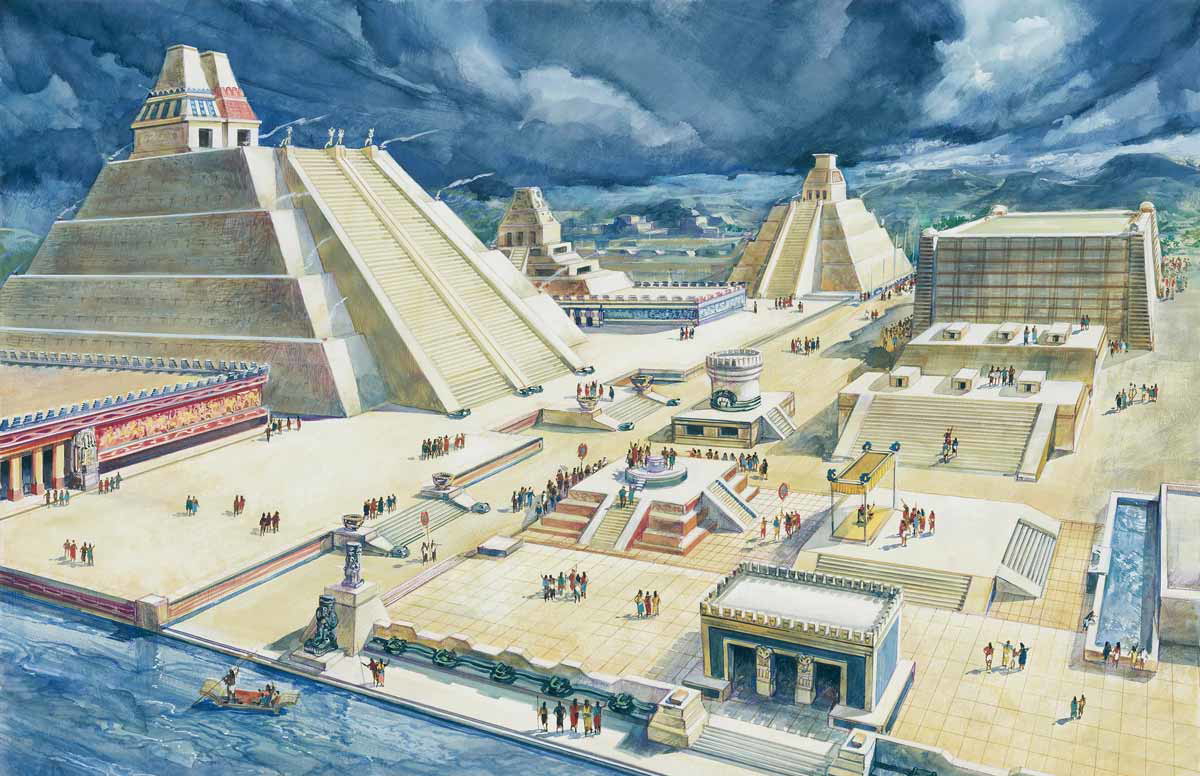
Tenochtitlan impressed—and horrified—Spanish visitors. Its temples and ritual spaces were scenes of elaborate and sometimes brutal human sacrifices, meant to nourish the gods and maintain the cosmic order.
The city’s story ended abruptly in 1521, when Spanish forces under Hernán Cortés, allied with Indigenous enemies of the Aztecs (especially the Tlaxcalans), besieged and destroyed Tenochtitlan after a 75-day siege. The Spanish then drained much of Lake Texcoco and built Mexico City over the ruins. Today, the remains of Tenochtitlan lie beneath the modern metropolis, with fragments of the Templo Mayor still visible in the historic center.
From the mound cities of the Mississippi Valley to the stone pyramids of central Mexico and the adobe palaces of the Peruvian desert, pre-Columbian America was anything but “empty” or “primitive.” These four cities are only a sample of the urban worlds that thrived long before Columbus set sail—vibrant centers of trade, power, religion, and culture that shaped the history of the continent.

support our project
At History Affairs, we believe history belongs to everyone.
donateYour contribution helps us keep this global archive open, free, and growing — so people everywhere can learn from the past and shape a better future.
know the present
Defense Tech Needs the State, Not Less of It
Trump Era or The New Imperial Age
America First, Venezuela, and the Trap of Old Habits
Why the AI Race Has No Winner
reading more
The Phoney War of 1939-1940: The Calm Before the Storm
Thanksgiving, Politics, and the Quakers
The Spotlight Effect: Why You Feel Watched (And How to Stop It)
The Roman-Tamil Trade: How Pepper, Pearls, and Gold Shaped Southern India
Julius Caesar and the Danger of Punishment Without Due Process
How American Lend-Lease Trucks Fueled the Soviet War Machine in WWII
The Nuremberg Rally: Power and Propaganda in Nazi Germany
Black Gold: The Global Story of Rubber and Its Ecological Impact
Dunsterforce: The Race to Baku, 1918
Love, War, and Choice: The Story of Lizzie and Frank Ward
Strabo: The Man Who Wrote the World for Empire
Aristotle’s Ethics: Happiness, Virtue, and the Human Good