
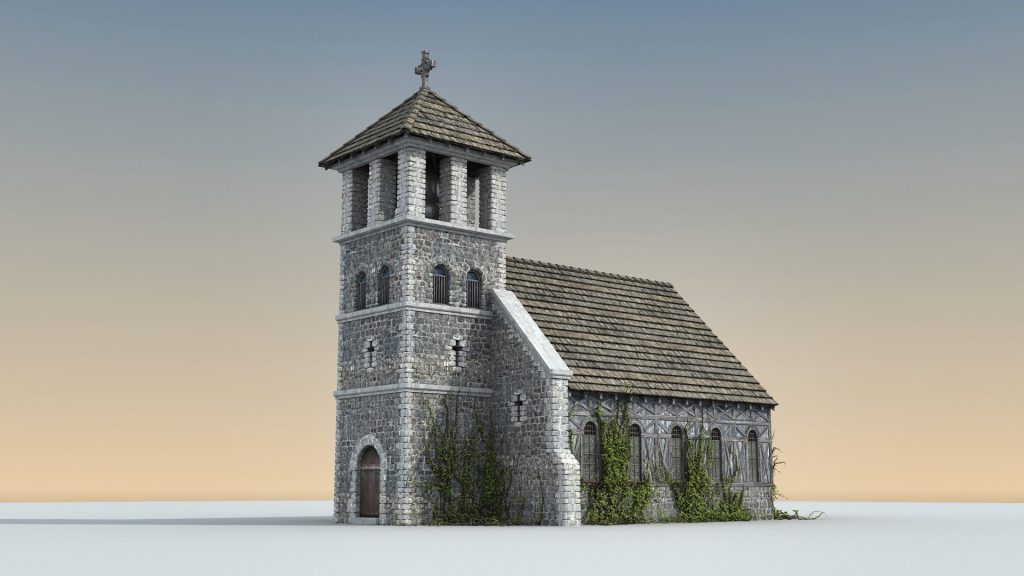
From the fall of the Western Roman Empire to the dawn of the Renaissance, the Medieval Church was not just a religious institution – it was the framework within which most Europeans lived and thought. Between the 5th and 15th centuries, the Church touched almost everything: politics, law, education, art, money, and even the way people told time and celebrated the year.
You could ignore a king if you lived far enough away. You could move to another lord’s land. But you could not escape the Church. It baptized you at birth, married you, heard your last confession, and buried you in consecrated ground. In many ways, it was the glue that held medieval society together – and it left marks on Western culture that are still visible today.
The Church as Gatekeeper of Salvation
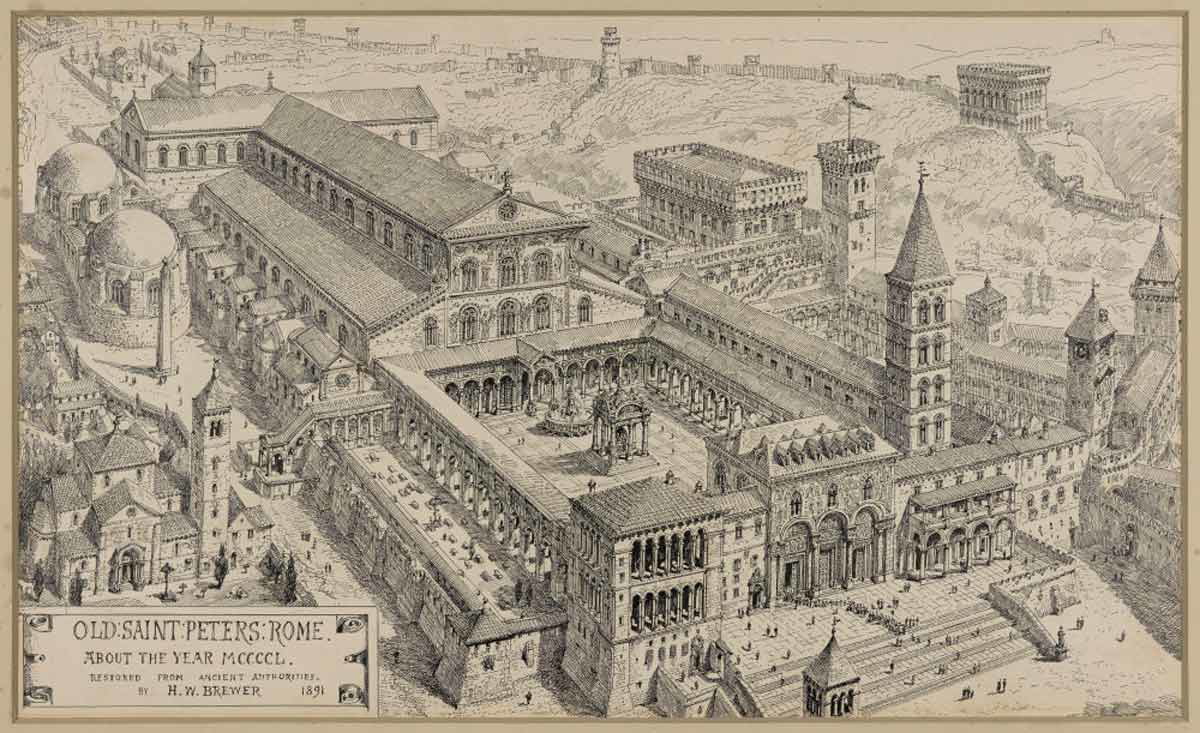
For medieval people, the Church’s most important job was simple and terrifying: it claimed to hold the keys to salvation.
Most of the population was illiterate. They could not read the Bible, and they did not study theology. Instead, priests and monks “mediated” religion to them – preaching sermons, teaching basic beliefs, and administering the sacraments, which were understood as the main channels of God’s grace.
At the beginning of the Middle Ages, only baptism and the Eucharist were clearly seen as sacraments. Over time, medieval theologians developed the classic list of seven sacraments:
- Baptism
- Eucharist (Holy Communion)
- Confirmation
- Penance (confession)
- Anointing of the Sick
- Holy Orders
- Matrimony
These rituals marked the big milestones of life and death, and the Church insisted they were essential—or at least deeply beneficial—for salvation. That gave priests and bishops tremendous power over people’s consciences and fears.
At the same time, the Church decided what counted as orthodox belief and what was heresy. Movements like the Albigensians, Cathars, and Waldensians were harshly persecuted, sometimes nearly wiped out. In trying to enforce unity of belief through coercion and violence, the Church sowed the seeds of later backlash—especially the Reformation at the end of the medieval period.
Alongside all this, the Church built a rich monastic world. Orders such as the Benedictines, Cistercians, Franciscans, Dominicans, Carthusians, Augustinians, and Poor Clares established monasteries and convents across Europe. These houses became centers of:
- Prayer and worship
- Strict spiritual discipline
- Scholarship and book-copying
They preserved religious traditions and created alternative models of life dedicated to poverty, chastity, and obedience.
Power Struggles: Popes vs. Princes
By the High Middle Ages, the Church was not just a spiritual authority – it was a major political player.
One famous clash was the Investiture Controversy (1075–1122). The question was simple but explosive:
Who had the right to appoint bishops and other high church officials – the pope or the emperor?
The Holy Roman Emperor believed he had this right because bishops controlled lands, armies, and taxes. Pope Gregory VII disagreed. In his Dictatus Papae, he boldly claimed that the pope stood above all kings and emperors and even had the authority to depose them.
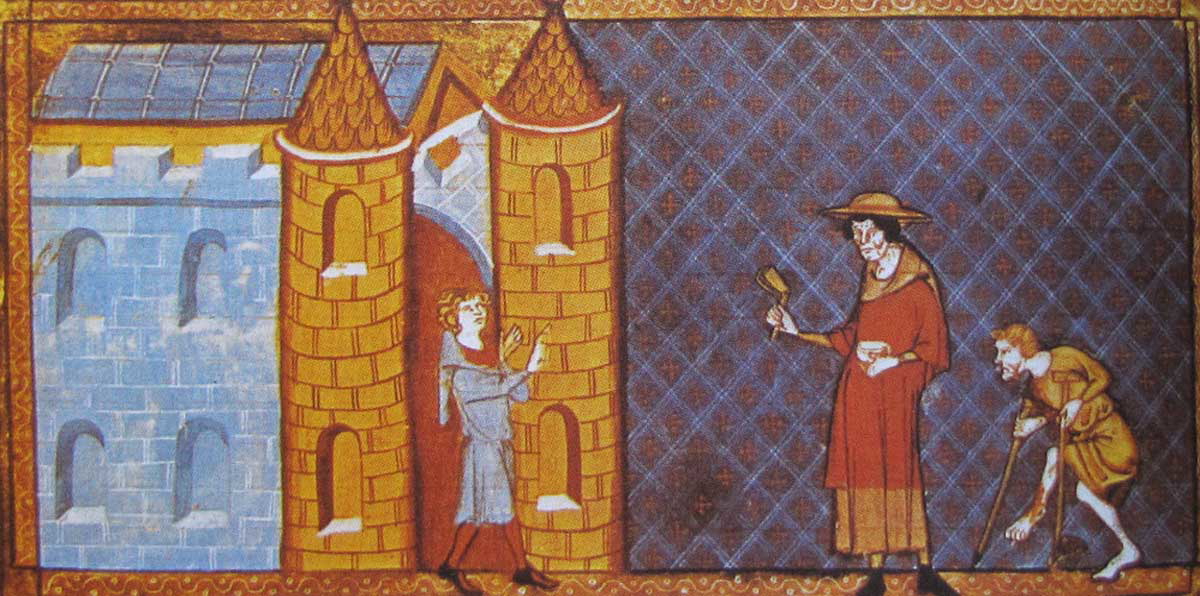
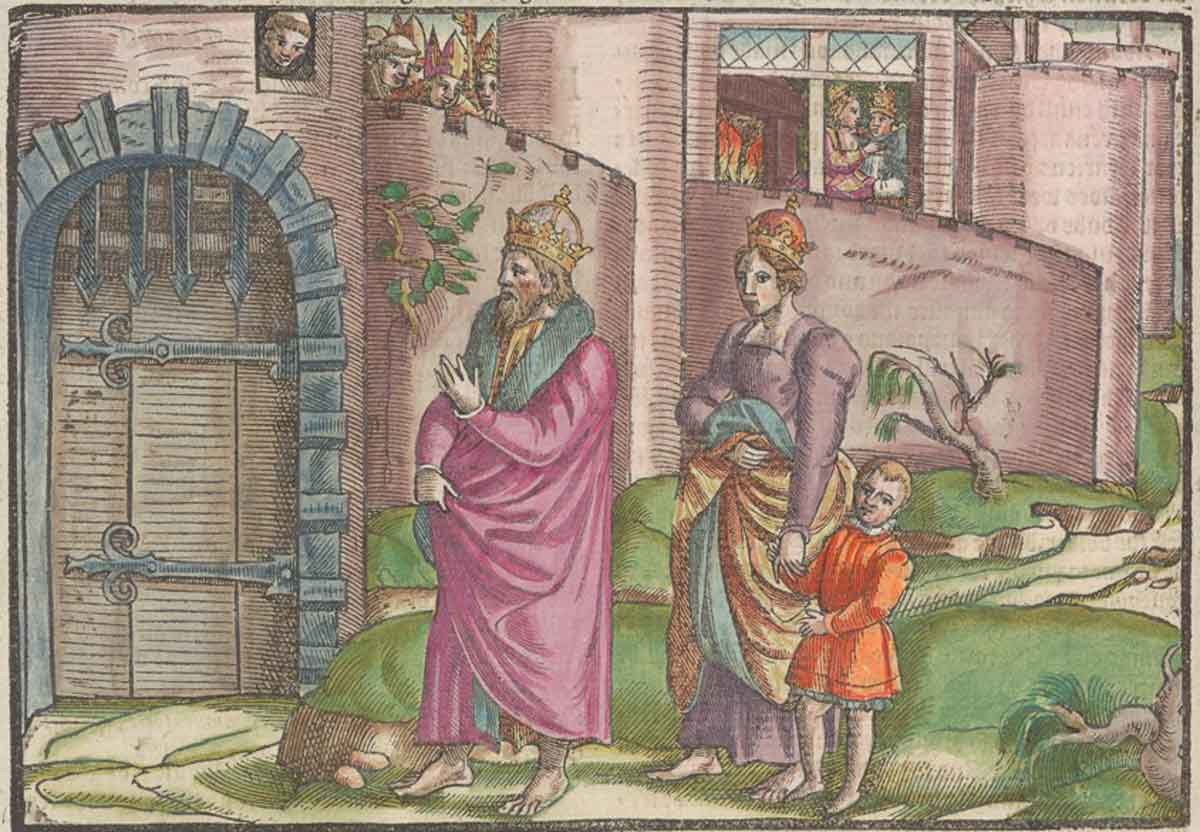
When Emperor Henry IV refused to back down, Gregory excommunicated him. The standoff ended (temporarily) with the dramatic scene at Canossa in 1077, where Henry stood barefoot in the snow, begging for forgiveness. Even though politics continued as usual afterward, the message was clear: the pope could humble an emperor.
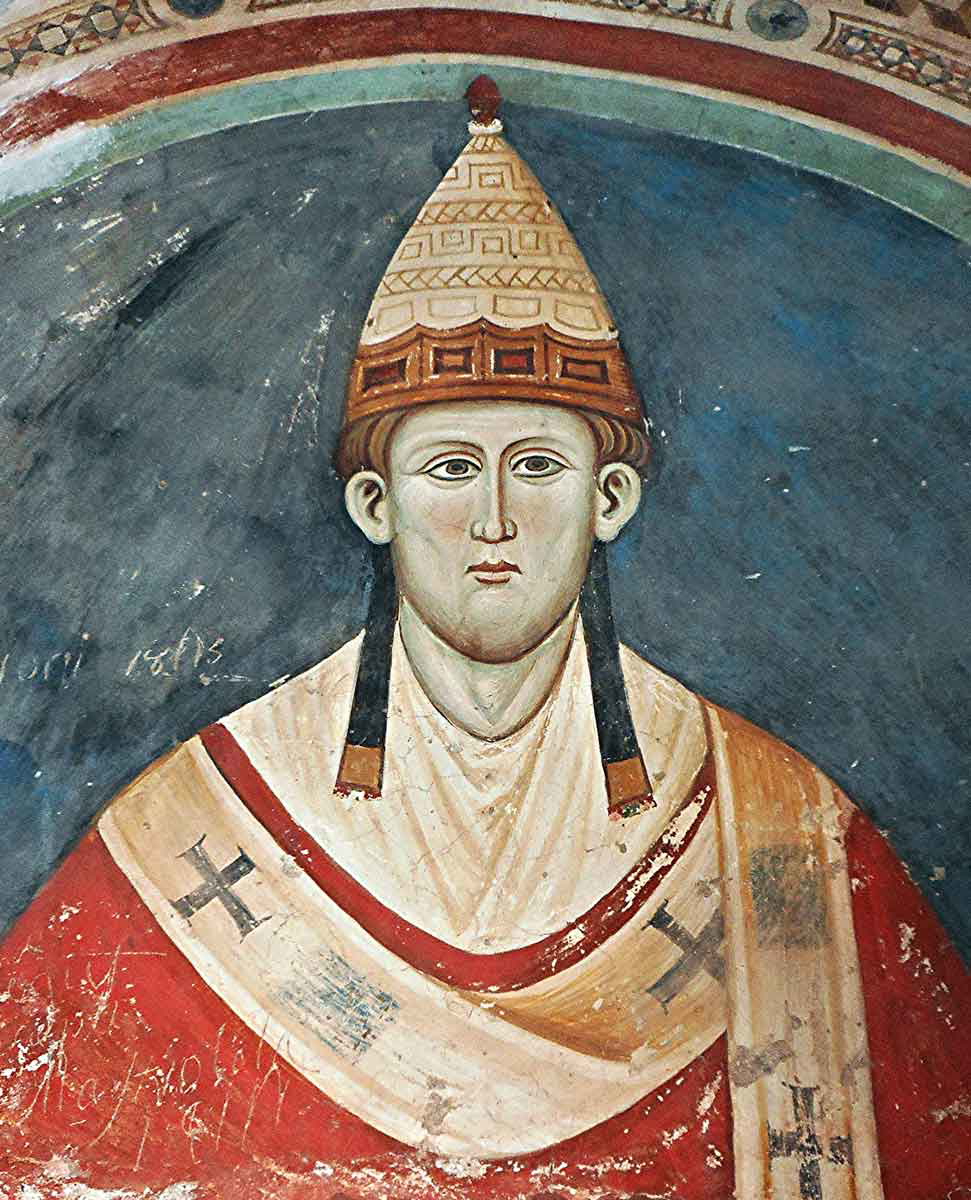
Later, popes like Innocent III (r. 1198–1216) pushed this idea even further. They argued that spiritual power was superior to secular power and claimed the right to intervene in the affairs of kings and kingdoms. The threat of excommunication – being cut off from the sacraments – was a powerful weapon, even against rulers.
The Church also had its own legal system based on canon law, with ecclesiastical courts that sometimes offered an alternative to secular justice. This blurred the lines between religious and political authority. In many cases, the Church was judge, jury, and spiritual executioner.
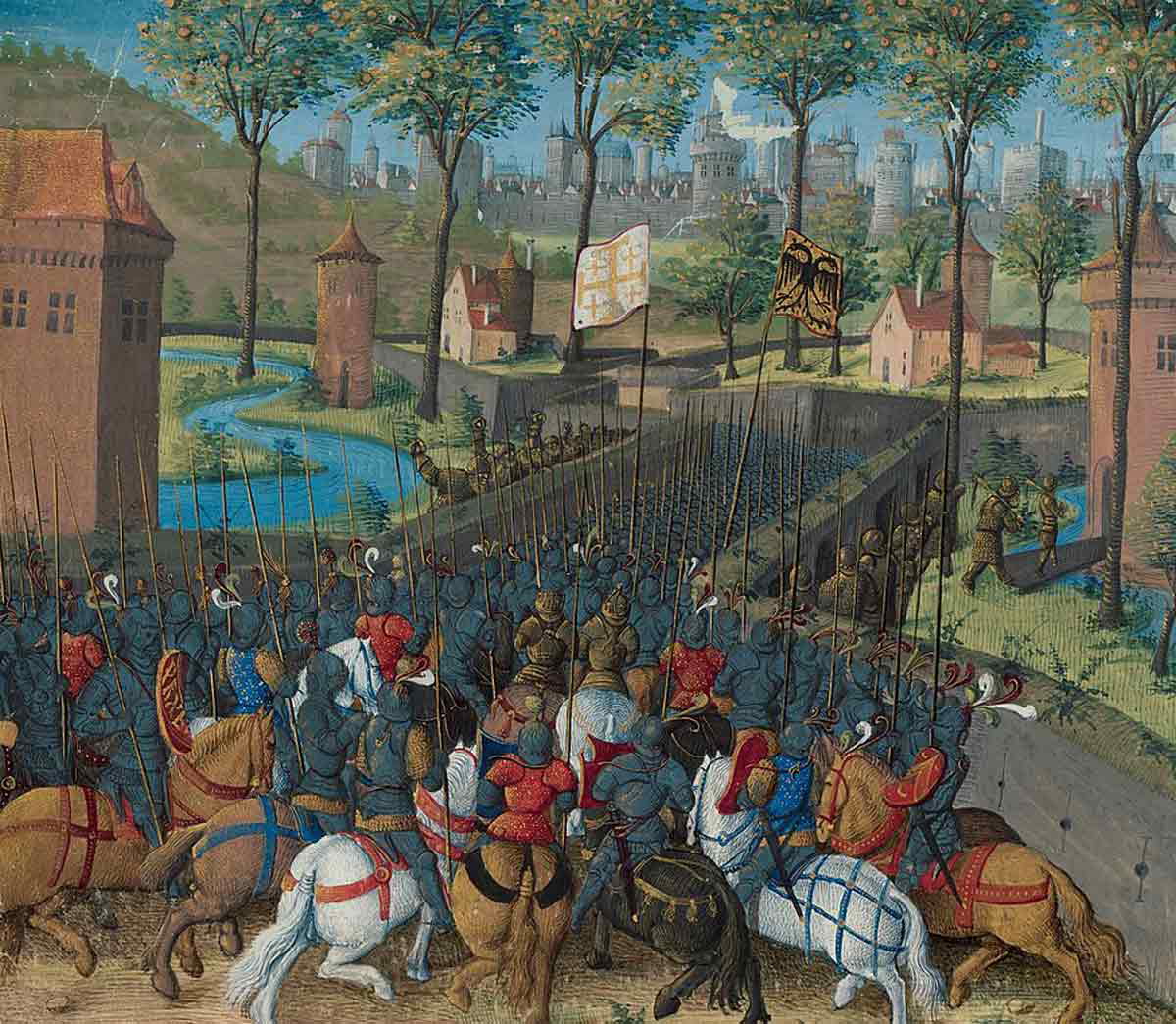
And the Church didn’t only make peace; it made war. Popes preached the Crusades, calling on Christian knights and kings to march to the Holy Land. In doing so, they mobilized the military and economic power of all of Western Europe.
A Feudal Giant: Land, Wealth, and Influence
If you looked at a medieval map of landowners, you’d see something striking: the Church itself was one of the biggest landlords in Europe.
Cathedrals, monasteries, and bishoprics controlled vast estates. They received:
- Tithes (a tax on income or produce, usually around 10%)
- Donations from wealthy nobles and kings
- Income from serfs and peasants working church land
These lands and incomes gave bishops and abbots real political weight. They could raise troops, lend money, and support or oppose local lords. To be a bishop was not just a spiritual job; it was a power position.
Some monastic orders became economic innovators. The Cistercians, for instance, were renowned for their advanced farming techniques. They drained swamps, cleared forests, experimented with crop rotation, and improved animal husbandry. As a result, their monasteries turned into highly productive agricultural hubs.
Meanwhile, military-religious orders such as the Knights Templar helped develop early forms of banking and international financial networks. Pilgrims and crusaders could deposit money in one place and withdraw it in another, using the Templars as intermediaries. This was safer than carrying gold across dangerous roads.
All of this made the Church not just spiritually powerful, but economically and financially mighty as well.
The Church as Social Safety Net

In a world without modern welfare states, the Church served as the main social safety net.
It brought together people from different classes, languages, and regions. A peasant and a nobleman might live completely different lives, but both went to Mass, both celebrated the same feast days, and both heard the same basic stories from the Bible.
Church life shaped the weekly and yearly rhythm:
- Sundays and feast days meant Mass, rest, and fairs.
- Major religious festivals turned into communal celebrations.
The Church also took Christ’s commands about charity seriously—at least in principle. Monasteries and convents:
- Fed the poor
- Sheltered travelers and pilgrims
- Cared for the sick and dying
- Offered hospitality to strangers
Some religious houses ran hospitals and leprosaria, caring for those cast out from ordinary society. This didn’t mean medieval Europe was a social paradise, but the Church was often the only institution offering any consistent help to the most vulnerable.
Building a Christian Culture: Art, Music, and Festivals
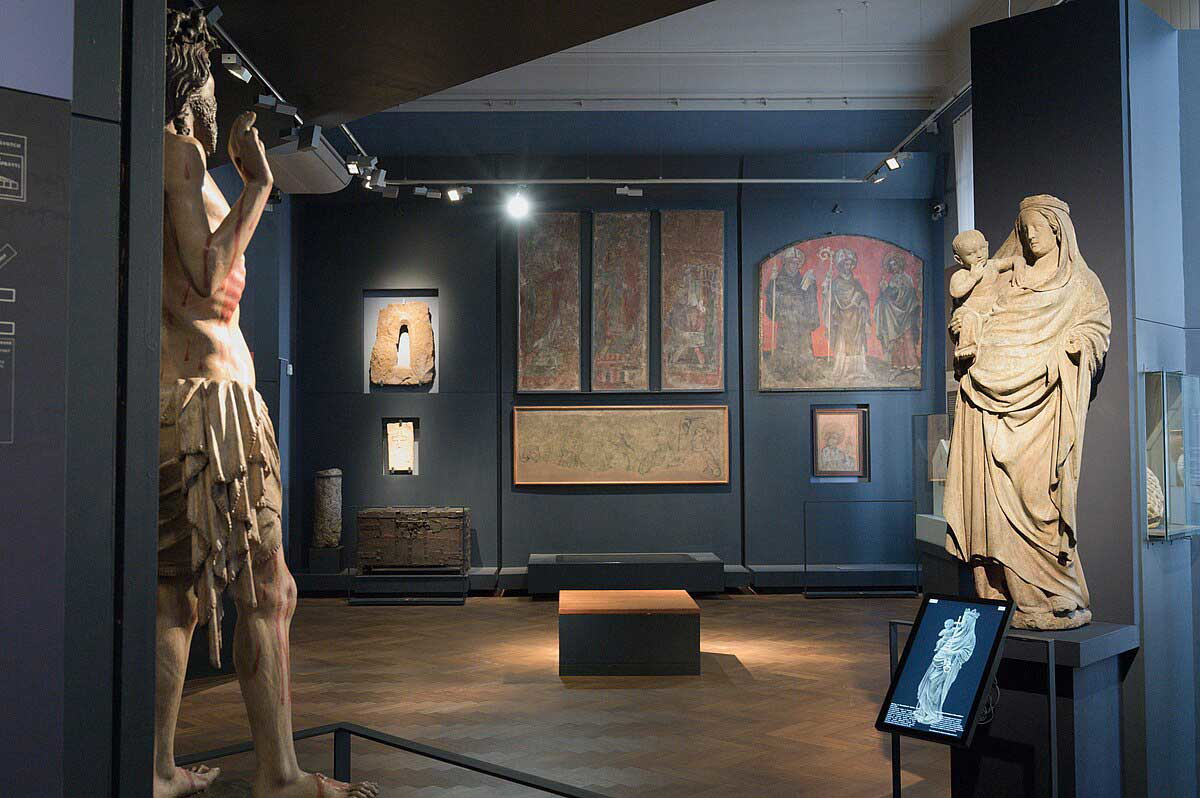
If you picture the art and architecture of the Middle Ages, you’re mostly picturing the Church’s influence.
Medieval art was overwhelmingly religious. It appeared in:
- Sculptures of saints and apostles
- Paintings and frescoes
- Tapestries in churches and noble houses
- Brilliant stained-glass windows telling biblical stories
These works were not just decoration. They were visual sermons for people who could not read. A peasant could “read” the life of Christ or a saint just by looking at the windows or the carvings in a church.
The great cathedrals—especially in the Gothic style—brought all these arts together. Buildings like Notre-Dame de Paris combined architecture, sculpture, glass, and music into one overwhelming experience of the sacred. Their soaring vaults and pointed arches showcased both the wealth of the Church and the extraordinary skills of medieval builders.
The Church also shaped music. It preserved and developed Gregorian chant, a simple, flowing style of singing used in the liturgy. Over time, church musicians in cathedral schools began experimenting with polyphony, where multiple melodies are sung at once. To manage this complexity, they developed musical notation, which allowed music to be written down and shared.
In literature, Latin—the language of the Church—dominated. Monks copied not only religious texts but also many classical works, making the Church the main guardian of Western written heritage.
Even the calendar people lived by was deeply Christian. Alongside older feasts like Easter and Christmas, the medieval Church added new celebrations:
- All Saints’ Day (1 November), formalized by Pope Gregory III
- All Souls’ Day (2 November), promoted by the monastery of Cluny
- Corpus Christi, established in 1264 to celebrate the Eucharist
Over time, the evening before these feasts—All Hallows’ Eve, or Halloween—took on its own life in popular culture. Many modern Western festivals, rituals, and holidays still trace their origins back to medieval Christian observances.
The Church as the School of Europe
In a largely illiterate world, the Church was the main keeper of knowledge.
Monasteries and cathedral schools:
- Taught boys (and sometimes girls, in convents) to read and write
- Copied the Bible and other religious works
- Preserved ancient texts in their libraries
Education was primarily for the clergy and the elite, and its central subject was theology. But theology touched everything. When churchmen studied the calendar, they did astronomy. When they calculated property or tithes, they needed mathematics. When they discussed the natural world as God’s creation, they laid foundations that would later support scientific thinking.
By the 12th century, universities began to appear in major cities, often closely tied to the Church. They taught:
- Theology
- Law (both canon and civil)
- Medicine
- The liberal arts
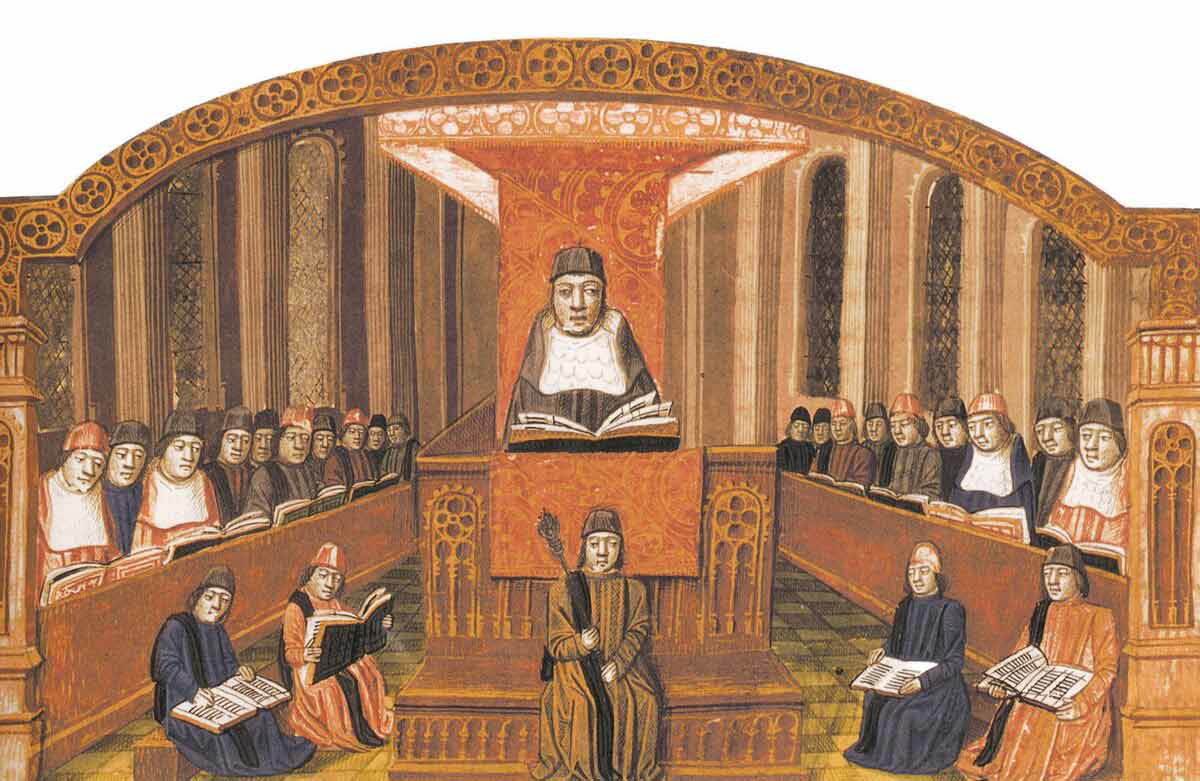
Latin served as a common language across these institutions, allowing scholars from different countries to communicate and argue with each other. Through these universities, the Church helped shape the minds of future clerics, lawyers, administrators, and physicians—and, indirectly, the direction of European thought.
A Legacy That Still Shapes the West
To understand medieval Europe, you can’t separate it from the Church. The institution that baptized babies, crowned kings, funded monasteries, and built cathedrals also:
- Guided people’s deepest hopes and fears
- Fought for power with emperors and princes
- Fed the poor and inspired charity
- Launched Crusades and crushed dissent
- Preserved books and invented new forms of art and music
- Organized schools and founded universities
The story of the Medieval Church is one of both light and shadow—compassion and cruelty, beauty and violence, faith and control. But however we judge it, its influence is undeniable. Western culture, as it developed after the Middle Ages, was built on foundations that the Medieval Church helped to lay.

support our project
At History Affairs, we believe history belongs to everyone.
donateYour contribution helps us keep this global archive open, free, and growing — so people everywhere can learn from the past and shape a better future.
know the present
Defense Tech Needs the State, Not Less of It
Trump Era or The New Imperial Age
America First, Venezuela, and the Trap of Old Habits
Why the AI Race Has No Winner
reading more
Dunsterforce: The Race to Baku, 1918
Hannibal’s Mastery: Crushing the Roman Army
Story of the First Legend Hero: Cadmus
“O Jerusalem!”: Saint Louis, the Cross, and the Making of a Christian King
Egyptian Art: From Balance to Brilliance
5 Legendary Kings Who Built Thailand: From Sukhothai to the Chakri Dynasty
Amenhotep III: The Sun King of Egypt’s Golden Age
A Postscript to Greek Ethics
Roman Roads: Engineering, Empire & Everyday Life
The Leipzig War Crimes Trials
Key Issues Shaping U.S. Presidential Elections
Philosophical Problems and Systems