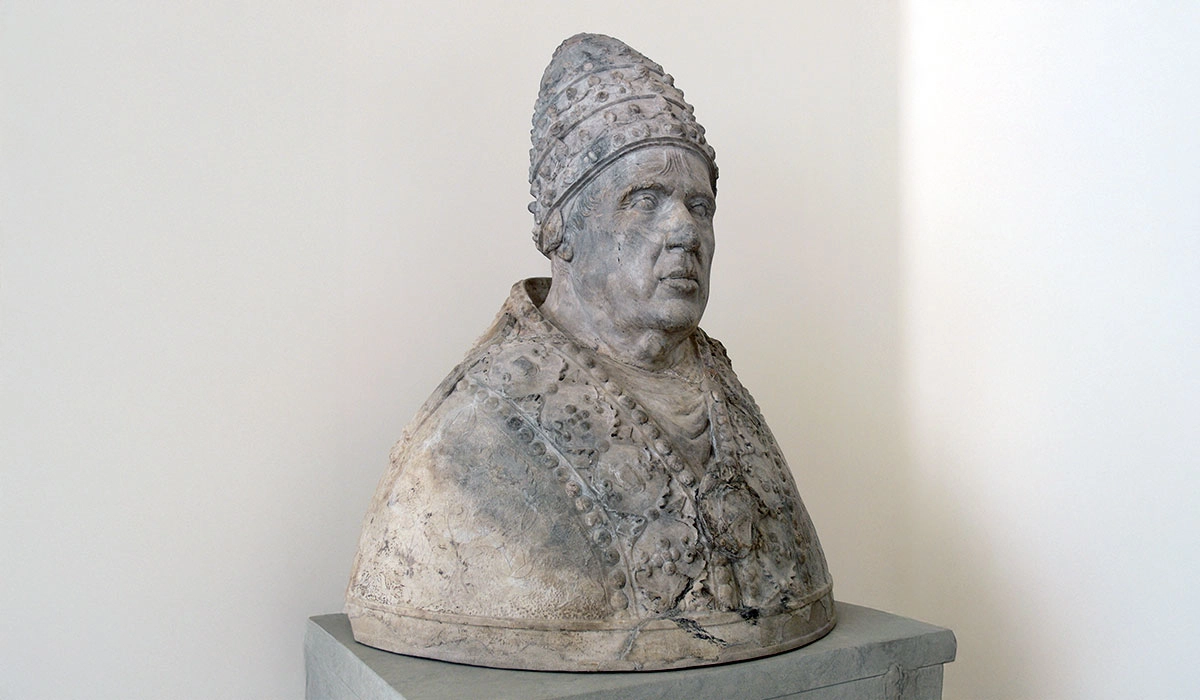
If you know the name Borgia, you probably think of poison, power plays, and forbidden affairs. Few families in history have attracted as much scandal and fascination, and at the center of it all stands Pope Alexander VI, born Rodrigo Borgia — one of the most controversial popes to ever sit on the Throne of Saint Peter.
His life was a blend of genuine political skill, shameless ambition, and personal excess. Some of what we “know” about him is propaganda, some is exaggerated gossip, and some is simply true. But together, it created a legend that still grips the modern imagination.
From Xàtiva to Rome: The Making of a Church Prince
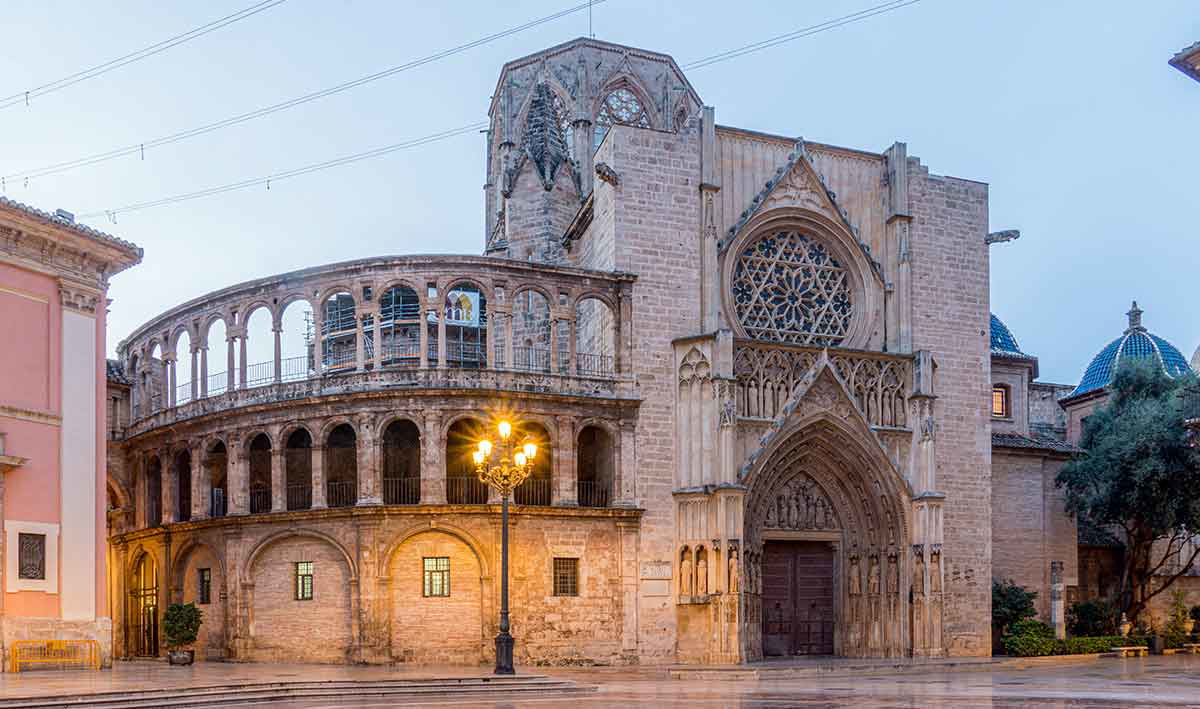
Rodrigo Borgia was born in 1431 in Xàtiva, near Valencia, into a powerful Spanish family. His rise was no accident. His uncle, Alfons Borgia, was a bishop with big ambitions. He took charge of Rodrigo’s education and steered him toward a Church career.
- In 1444, Alfons became a cardinal.
- In 1445, young Rodrigo was appointed sacristan at the Cathedral of Valencia — his first Church job.
Soon Rodrigo left Spain for Italy, the true center of Church power. He studied law in Bologna, and in 1455, his uncle’s dreams fully paid off: Alfons became Pope Calixtus III. A year later, Rodrigo himself was made a cardinal and then vice-chancellor of the Roman Church, one of the most lucrative posts in the Curia.
From there, Rodrigo’s wealth and influence exploded. He lived in style, hosted grand parties, and moved easily among the most powerful men and women in Rome.
Parties, Mistresses, and Illegitimate Children
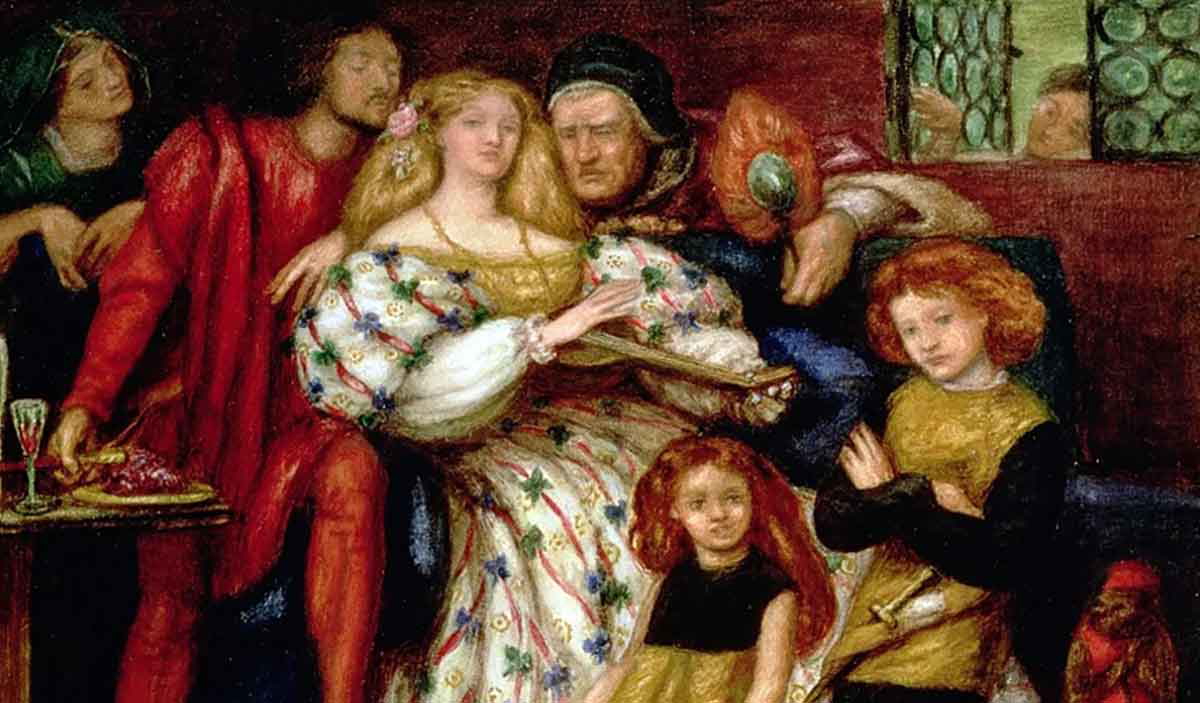
Rodrigo’s personal life was anything but celibate.
Even while climbing the Church ranks, he had multiple mistresses and many children. Early on, he fathered a son named Pedro Luis (born 1462) with an unknown woman; the boy was sent to Spain to be raised.
His most famous relationship began later, probably between 1466 and 1472, after he had formally taken vows of celibacy. Rodrigo entered a long affair with Giovanna (Vannozza) dei Cattenei, an Italian innkeeper and landlady.
With Vannozza, he had four children who would become central to the Borgia legend:
- Juan (Giovanni) – born 1474
- Cesare – born 1475
- Lucrezia – born 1480
- Gioffre – born 1481/82
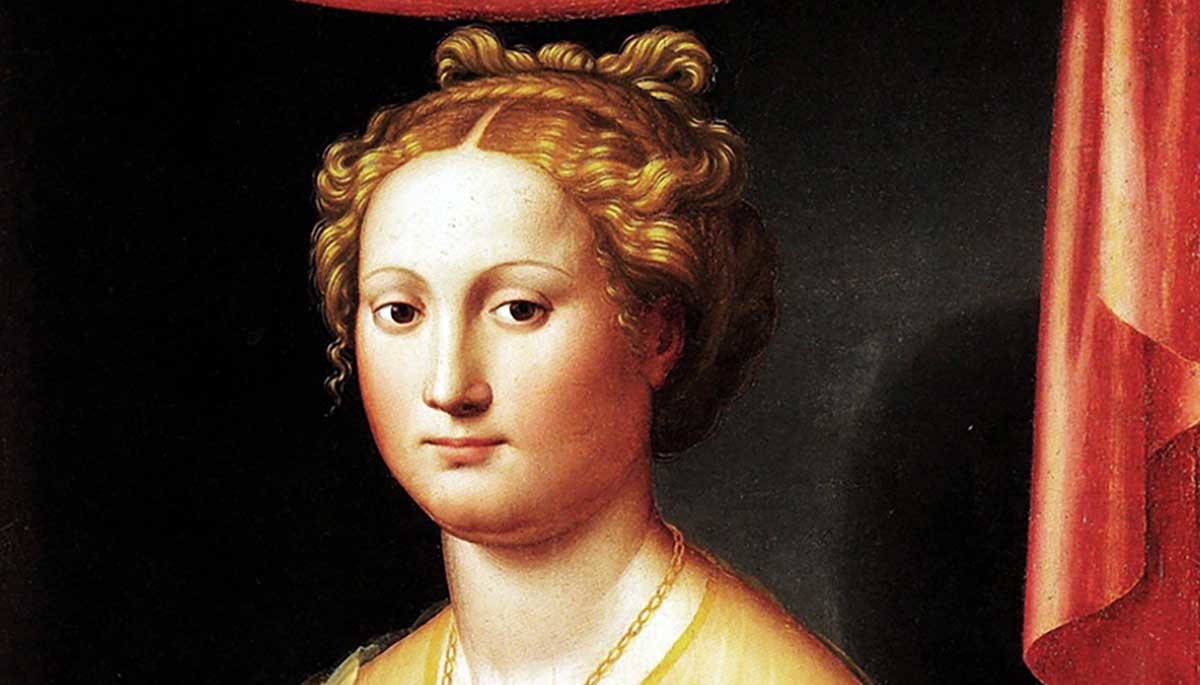
In a very Borgia twist, Vannozza was married—twice—during this period, and Rodrigo himself officiated one of the weddings. The husbands were chosen precisely because they wouldn’t interfere with the affair. After around 1482, the relationship ended romantically, but Rodrigo made sure Vannozza was well provided for, while the children were raised elsewhere.
Accusations about orgies and depravity swirled around Rodrigo even before he became pope. One famous story describes a party so wild that Pope Pius II publicly rebuked him. Rodrigo denied it had gone that far, and we’ll never know how much is true—but stories like that became part of the Borgia brand.
Climbing Toward the Papacy
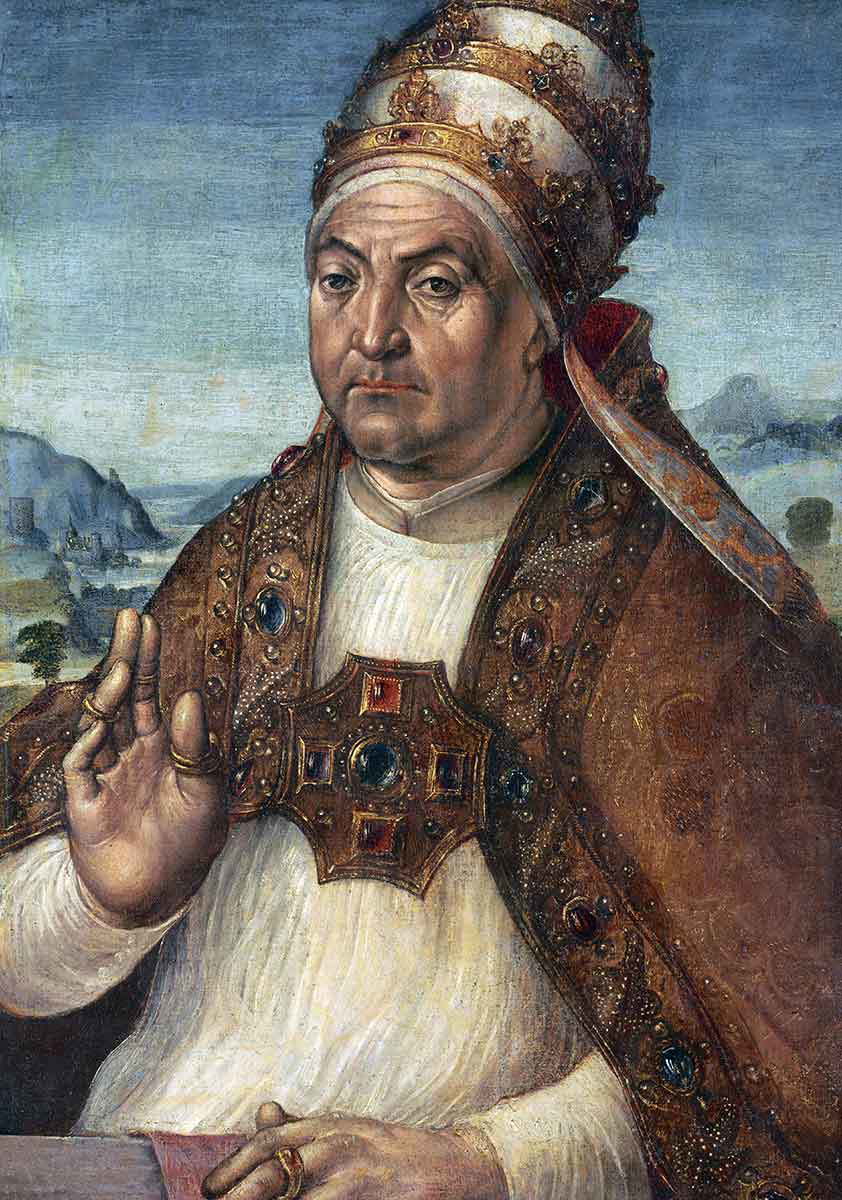
Rodrigo’s true talent was political.
He didn’t rush to become pope. Instead, he played kingmaker, backing candidates he thought he could influence:
- In 1464, when Pope Pius II died, Rodrigo supported Pietro Barbo, who became Pope Paul II.
- In 1471, after Paul II’s sudden death, Rodrigo helped engineer the election of Francesco della Rovere as Pope Sixtus IV, believing his relative outsider status would make him easy to guide. Rodrigo’s standing rose further; he became a cardinal bishop and papal legate to Spain.
- After Sixtus IV, Rodrigo and Cardinal Giuliano della Rovere (Sixtus’s nephew) reportedly made a deal to support Giovanni Battista Cibo, who became Pope Innocent VIII in 1484.
Each election cemented Rodrigo’s power. By the time Innocent VIII died in 1492, Rodrigo Borgia was perfectly positioned. He had experience, money, allies, and a powerful family base.
Rumors of simony—buying votes with bribes and promises—swirled around the conclave that elected him. Nothing was ever proven, and by the law of the time, his election stood. Rodrigo Borgia emerged as Pope Alexander VI.
Pope Alexander VI: Law, Order… and a New Mistress
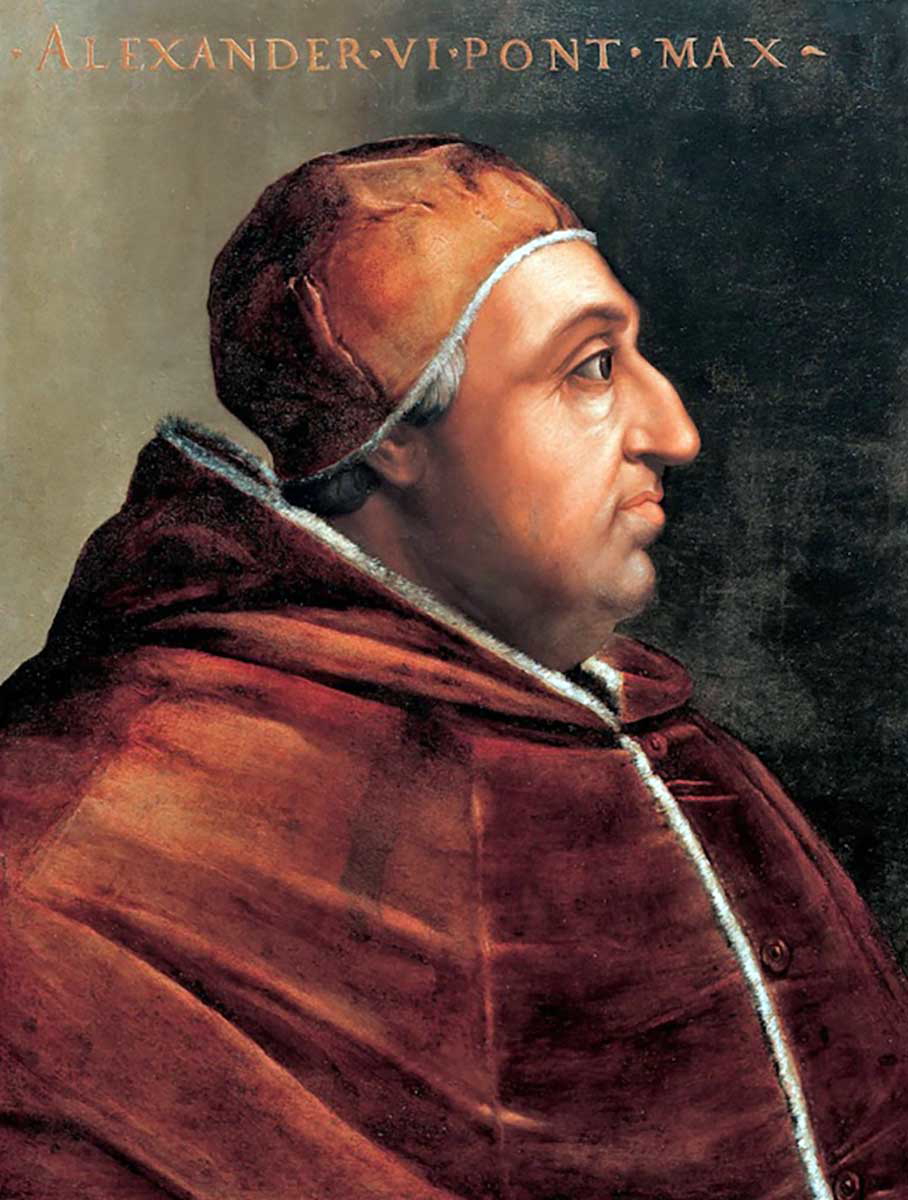
As pope, Alexander VI first tackled Rome’s growing lawlessness. Violent crime, especially assassinations, was rampant.
He responded with harsh but effective measures:
- Investigations into murders
- Criminals hanged swiftly
- Their homes demolished as a warning
He also made himself accessible by reserving Tuesdays for both men and women to bring their complaints to him directly. These actions, along with investments in Rome’s defenses and grand building projects, won him real support among ordinary Romans.
At the same time, his private life stayed true to form.
Alexander VI took a new mistress: Giulia Farnese, a young noblewoman married at 15 to Orsino Orsini. Giulia’s husband was weak and unconfident; his mother, Adriana de Milà, openly encouraged the affair, hoping it would elevate the family’s status within the Church. At this point, Rodrigo was nearly 60.
To many observers, it was a shocking scandal: the pope, publicly involved with a married teenager. To others in Rome’s upper circles, it was simply how the game was played.
Nepotism and the Borgia Dream of Power
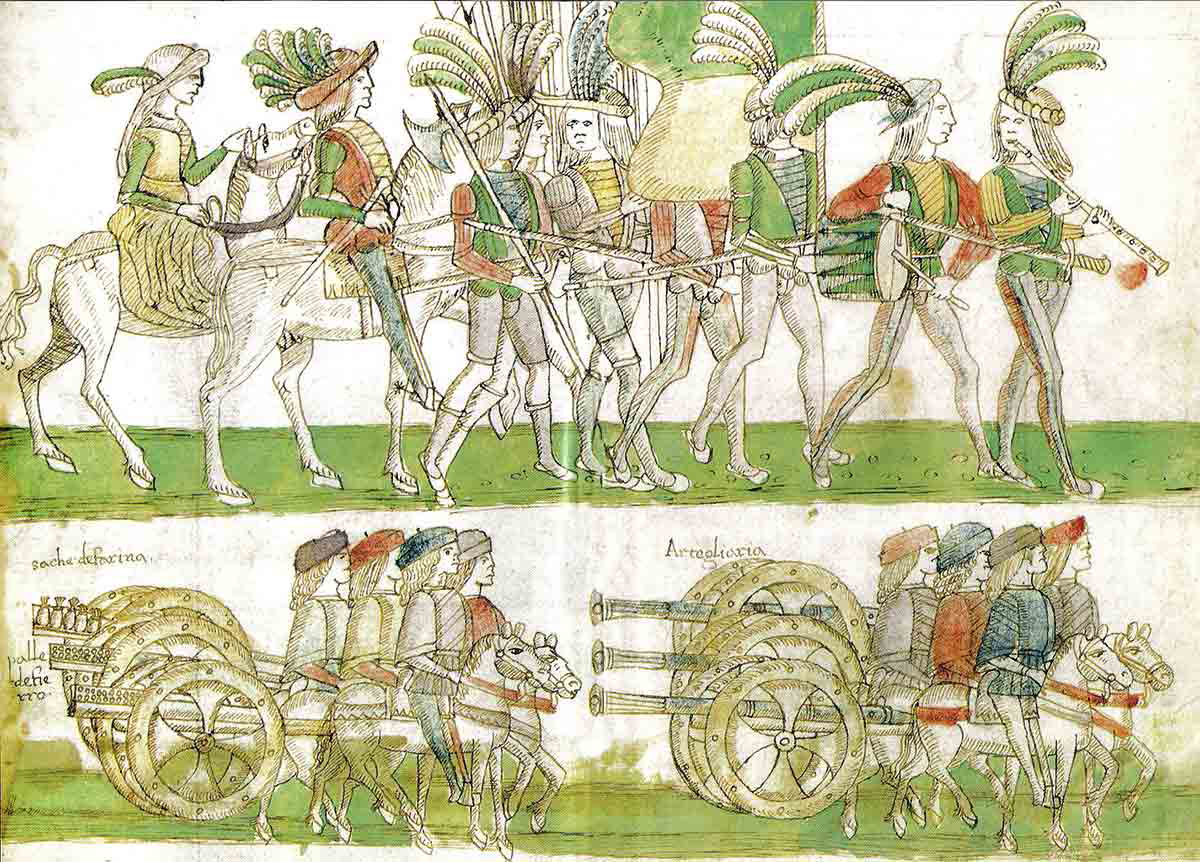
It’s no secret that Alexander VI used his position to promote his children.
- Cesare Borgia was made a cardinal.
- Juan (Giovanni) was titled Duke of Gandia.
- The pope considered carving out territories from the Papal States and Naples to create a Borgia principality in central Italy.
These moves outraged rival families and fed the impression that the papacy was being treated like a family business.
In 1497, tragedy struck: Juan was found murdered, his body dumped in the Tiber River. His killer was never identified. Many believed Cesare was responsible, driven by sibling rivalry and jealousy. Others pointed fingers at the Sforza or Orsini families, traditional Borgia enemies.
The truth remains a mystery, but the suspicion of fratricide only intensified the sense that the Borgias lived in a world of plots, betrayals, and blood.
War, Cesare, and the Italian Battlefield
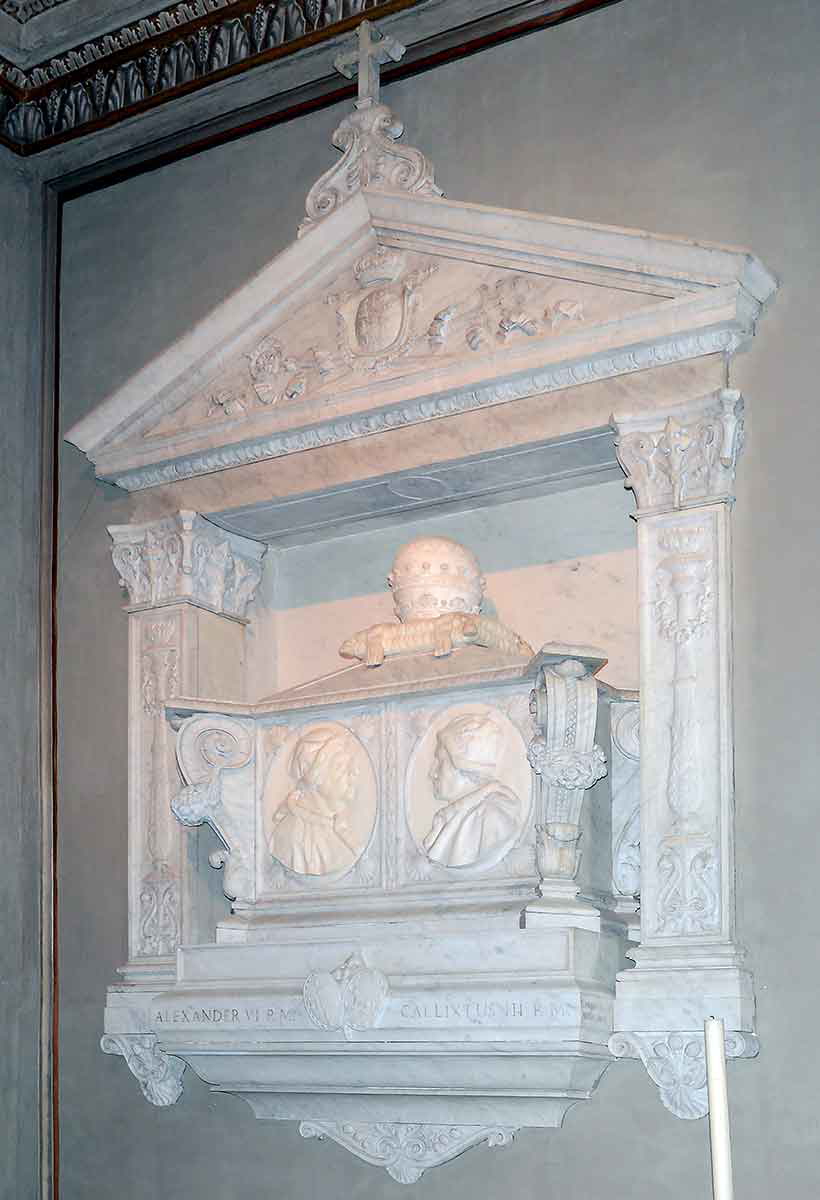
Alexander VI’s papacy was marked not only by scandal, but by war.
In 1494, King Charles VIII of France invaded Italy, laying claim to the Kingdom of Naples. Europe held its breath as this new military power swept down the peninsula.
The French advance eventually triggered a response: the Holy League of 1495, an alliance of Milan, Venice, and the Holy Roman Empire, with the pope’s backing. Under pressure, the French were pushed back, and the delicate balance of Italian politics survived—temporarily.
Meanwhile, after Juan’s death, Cesare changed roles dramatically. In 1498, he resigned as cardinal and embraced a military career, becoming his father’s chief enforcer.
Cesare Borgia:
- Led campaigns in Romagna, Umbria, and Emilia
- Crushed local lords and expanded Borgia-controlled territory
- Impressed observers with both ruthlessness and strategic skill
His blend of charm, brutality, and cold calculation is widely believed to have inspired Niccolò Machiavelli when writing The Prince.
Back in Rome, Alexander VI moved against rival families like the Orsini and Colonna, stripping them of power and consolidating Borgia control.
For a moment, it looked as if the Borgias might actually succeed in establishing a lasting dynastic state under papal protection.
Death, Collapse, and the Fate of the Children
On August 18, 1503, Rodrigo Borgia died at 72. Many whispered poison, but the most likely cause was malaria, a frequent killer in Rome.
He was so hated by then that the clergy of St. Peter’s Basilica initially refused to accept his body. They had to be pressured into receiving him for burial.
Without their father’s influence, Borgia fortunes rapidly declined:
- Cesare’s dream of a Borgia state collapsed. He was arrested, later fought for the King of Navarre, and died in battle in 1507.
- Lucrezia Borgia, freed from the immediate shadow of her family’s intrigues, eventually became a respected duchess in Ferrara, remembered more for her patronage and governance than for the darker legends attached to her name.
The Borgia Myth: Scandal, Propaganda, and Pop Culture
The Borgias were hardly the only corrupt or violent family in Renaissance Italy. Simony, mistresses, bribery, and brutal warfare were common among the elite. Many cardinals kept lovers; some engaged in same-sex relationships; military campaigns across the peninsula were often as cruel as Cesare’s.
So why do the Borgias stand out so much?
Partly because they were foreign (Spanish in an Italian-dominated Church), partly because they were remarkably successful for a time, and partly because their enemies worked hard to blacken their name.
Pamphlets, gossip, and chronicles painted them as uniquely depraved. Separating fact from fiction is difficult:
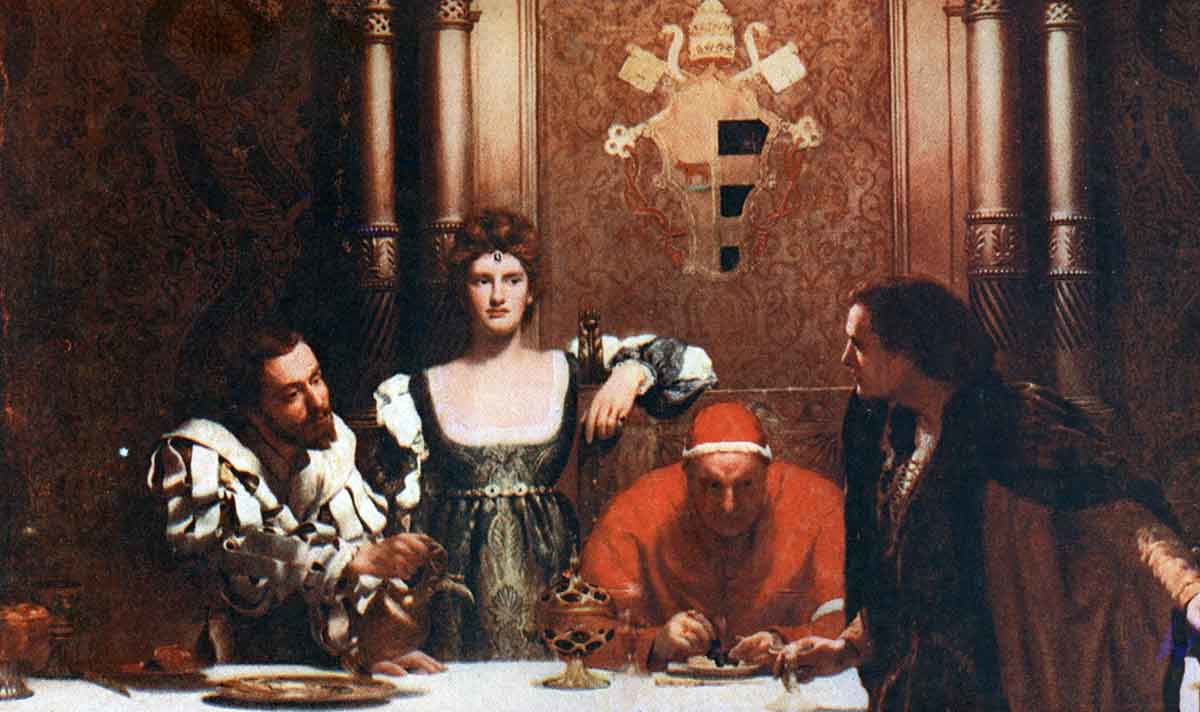
- The infamous “Banquet of Chestnuts”, a supposed orgy with 50 prostitutes in the papal palace, comes from a single chronicler, Johann Burchard. Historians are divided over whether it really happened or was exaggerated—or invented outright.
Whatever the truth of individual stories, the Borgia image solidified:
Sex, incest, poison, corruption, ambition, murder.
No amount of art patronage or political achievement was enough to erase that reputation.
And that image still lives on today. The Borgias and Pope Alexander VI have inspired:
- Novels and plays
- Movies and TV series
- Video games and graphic novels
Half a millennium later, Rodrigo Borgia continues to fascinate us—not just as a corrupt pope, but as a symbol of what happens when religious authority, family ambition, and Renaissance power politics collide.