
The story of Israel and Edom doesn’t start with kings, armies, or borders. It starts in a womb.
According to the Bible, the ancestors of both nations, Jacob and Esau, struggled with each other even before they were born. That early tension became a symbol of a much bigger, long-running rivalry – one that would stretch from family drama in Genesis all the way to the fall of Jerusalem and beyond.
This is the story of the Edomites: where they came from, how they lived, why they clashed with Israel, and how they eventually vanished from history.
Brothers First: Jacob, Esau, and the Birth of Edom
Isaac, son of Abraham, had twin sons with his wife Rebekah. Even during pregnancy, things were not peaceful. Rebekah felt the children “struggling” within her and went to ask God what was happening. The answer was striking:
Two nations are in your womb… the older shall serve the younger (Genesis 25:23).
When the first baby was born, he was red and very hairy. They named him Esau, a word linked to “hairy” or “rough.” His twin brother came out gripping his heel, so they named him Jacob, “he who grasps the heel” or “supplanter.”
From early on, the two could not have been more different:
- Esau loved the outdoors – a hunter, a “man of the field.”
- Jacob stayed around the tents – closer to home, closer to his mother, and more calculating.
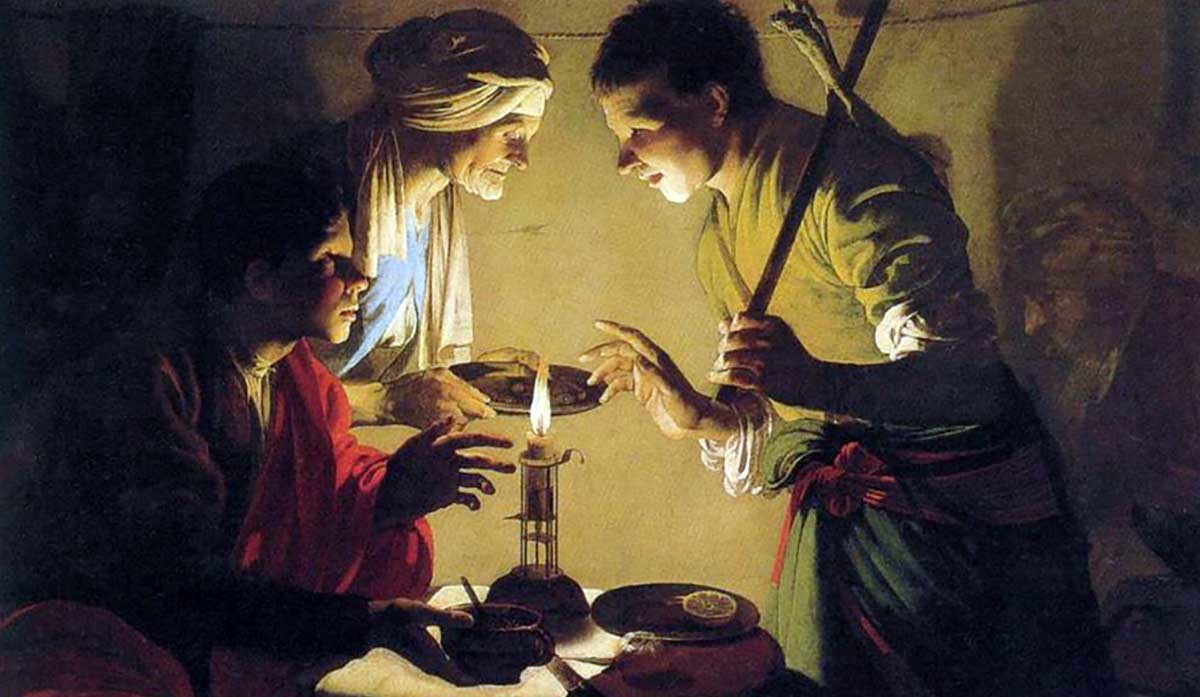
One day, Esau came home exhausted and starving from a hunt. Jacob had cooked a pot of red lentil stew. Esau begged for some, and Jacob saw an opportunity. He made a shocking offer:
“Sell me your birthright first.”

In a moment of shortsighted desperation, Esau agreed. For a bowl of red stew, he gave up the privileges of the firstborn son (Genesis 25:29–34).
Later, Jacob (with his mother Rebekah’s help) tricked their aging father, Isaac, into giving him the blessing that should have gone to Esau. When Esau realized he had been deceived a second time, he was furious and planned to kill Jacob once their father died. Jacob fled for his life.
Years later, Jacob returned home, terrified of what Esau might do. On the journey back, he wrestled all night with a mysterious man, who finally told him:
“Your name shall no longer be called Jacob, but Israel, for you have striven with God and with men, and have prevailed” (Genesis 32:28).
When the brothers finally met again, something unexpected happened:
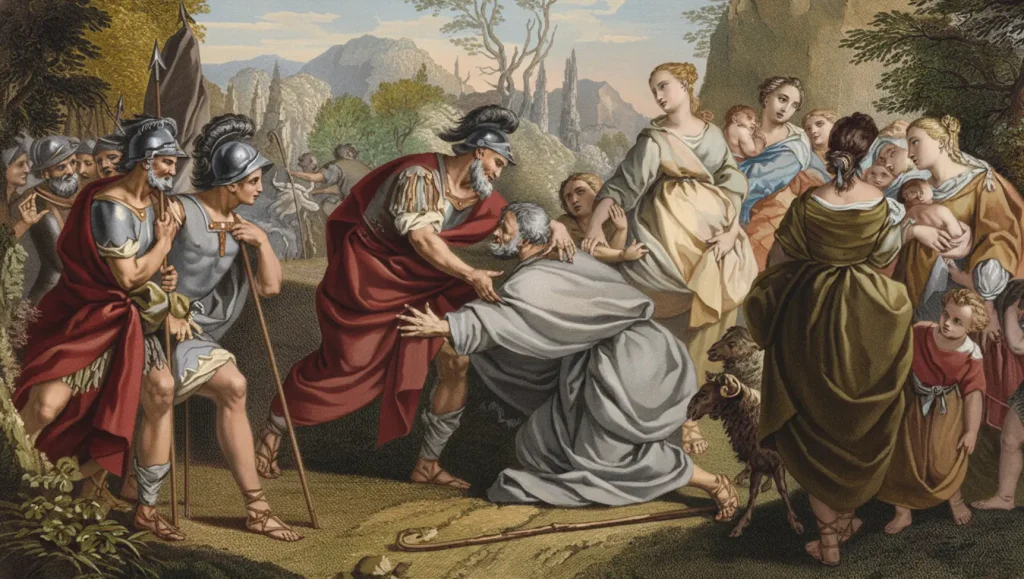
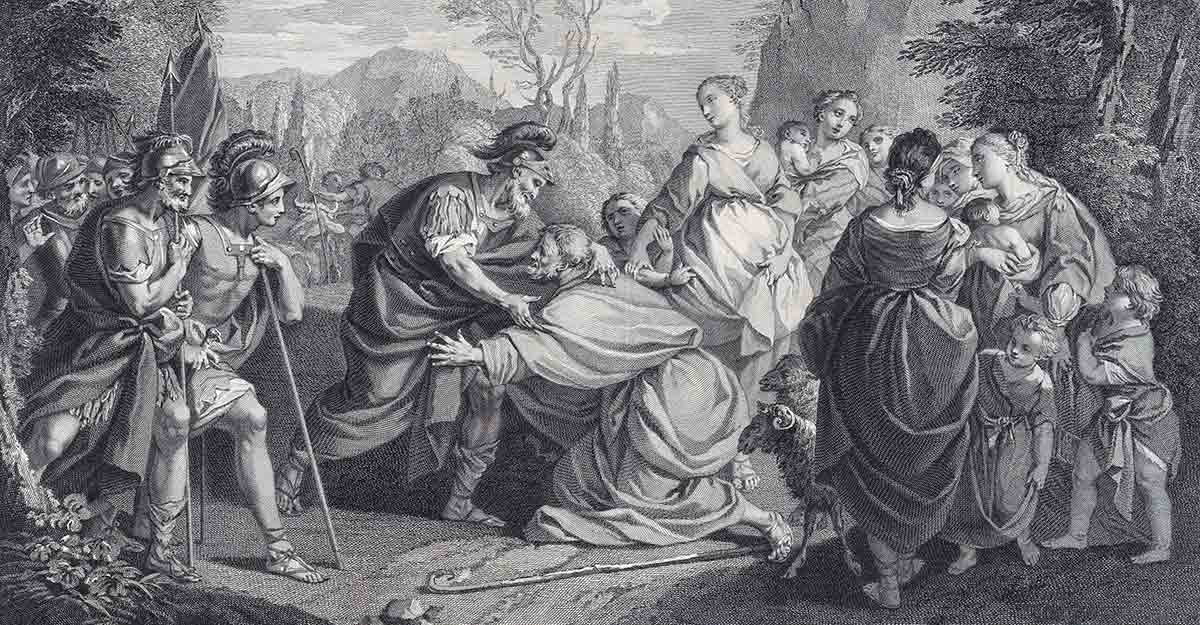
Esau ran to Jacob, embraced him, and kissed him. For that moment, the feud seemed to dissolve in tears and relief. But reconciliation did not mean unity. Their families and herds had grown too large. They couldn’t live in the same land.
So Esau moved south.
“So Esau settled in the hill country of Seir… Esau is Edom” (Genesis 36:8).
From that point on, Esau’s descendants became known as Edom, and Jacob’s descendants as Israel. The family story had become the story of two nations.
Why “Edom”? The People of Red
The name Edom means “red,” and that color became closely tied to the people and their land. There are three main explanations for why:
- The land itself
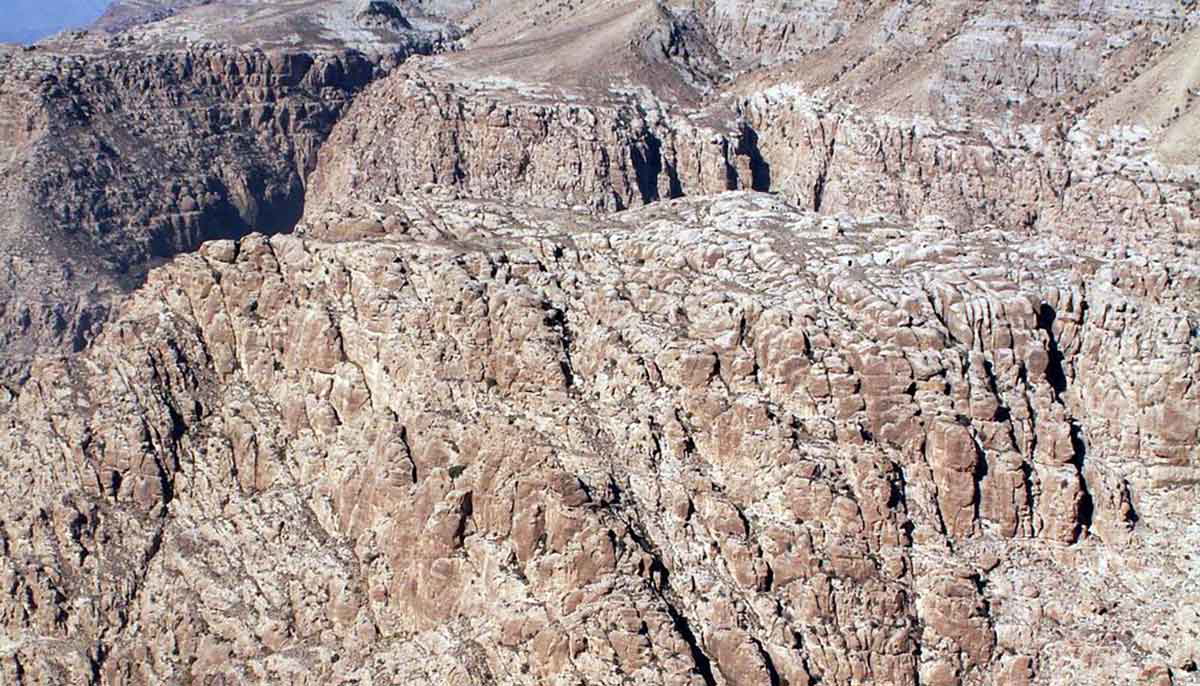
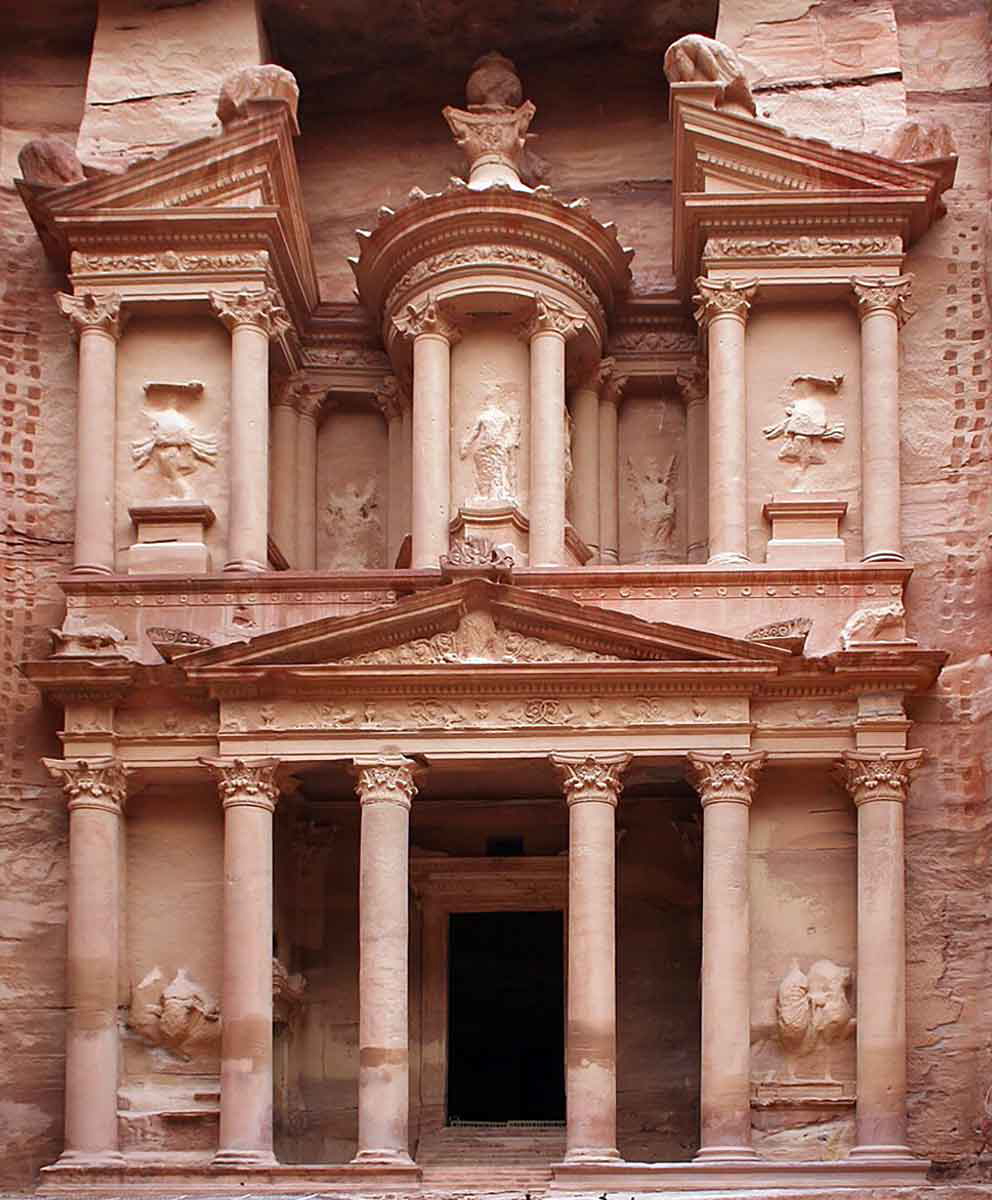
Edom lay south and southeast of the Dead Sea, in what is now southern Jordan. The rocks and sand in that region often have a reddish tint, rich in iron and copper. Think of the red cliffs and formations of Petra – that’s Edomite country. - Esau’s appearance
Esau was described at birth as “red” and covered with hair. His physical look could easily have inspired the name associated with his descendants. - The red stew
When Esau sold his birthright, he begged Jacob for some of “that red stew.” The story directly links his nickname and the word “Edom” to that moment (Genesis 25:30).
Any one of these – or all of them together – could explain why Edom was known as “the red land” and its people as “the red ones.”
Life in Edom: Mountains, Metal, and Trade
Edom was a rugged, mountainous region with steep cliffs and deep valleys. It was not an easy place to farm, but it was an excellent place to defend.
Geography and Economy
- Location: Edom lay on the important King’s Highway, the major north–south trade route connecting Egypt with Mesopotamia.
- Capital: Its main city was Sela, whose name simply means “rock.”
- Resources: The region was rich in copper and iron ores, making it valuable in the Bronze and Iron Ages.
These resources allowed Edom to:
- Develop a strong metalworking industry
- Manufacture weapons and tools
- Trade surplus metal with neighboring nations
Over time, trade became even more important than mining itself. Caravans passing along the King’s Highway had to go through Edomite territory, and the Edomites could charge tolls and taxes. This gave them a powerful economic advantage despite their relatively small size.
Agriculture & Daily Life
Arable land was limited, but the Edomites made use of what they had. They grew:
- Barley and wheat
- Figs, olives, pomegranates, dates
- Lentils and other pulses
These crops, especially the hardy and drought-resistant ones, were cultivated near springs and oases. Combined with trade and metalwork, they provided a decent, though often precarious, living.
Religion and the Eagle of Edom
At first, Edom was a tribal society, but over time it formed a monarchy like its neighbors. Spiritually and culturally, it was influenced by other Canaanite peoples like the Moabites and Amorites.
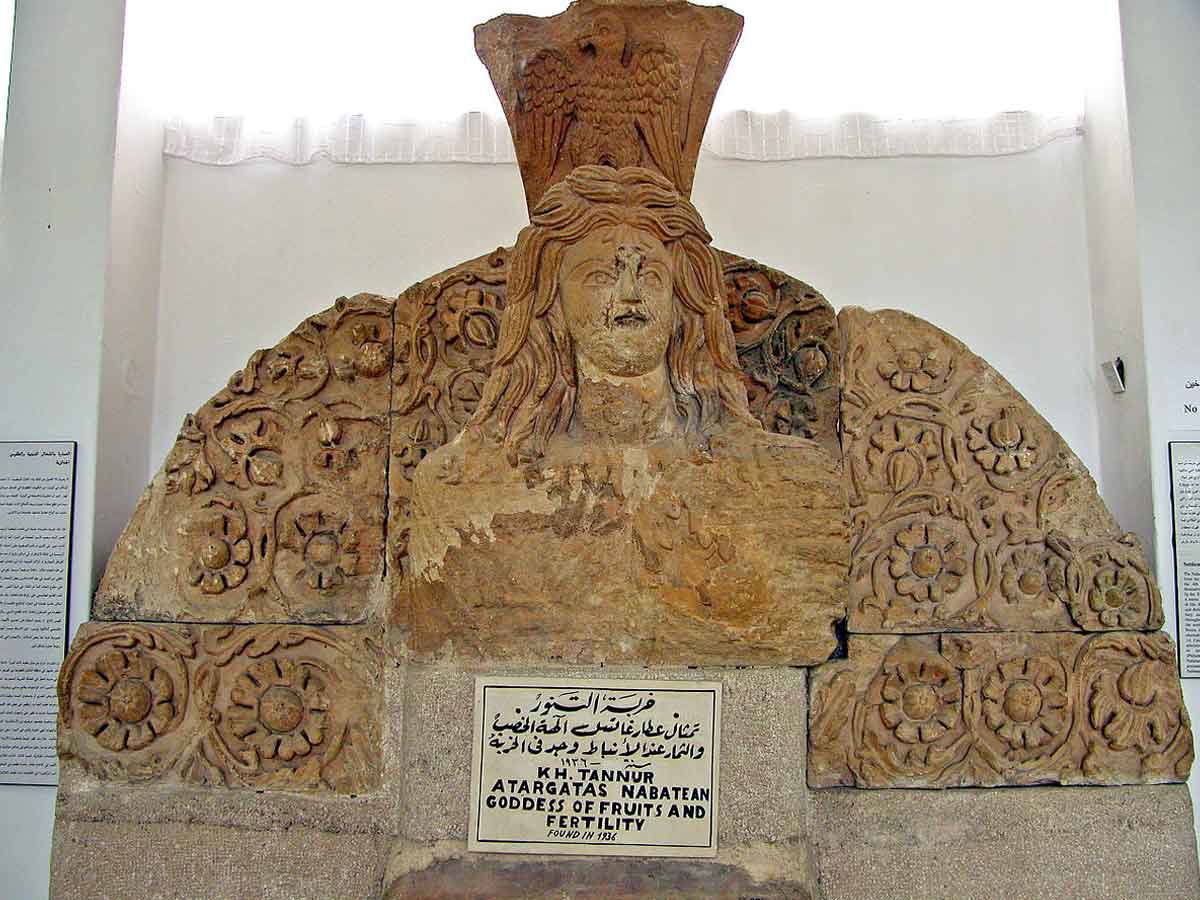
The Edomites worshiped several gods, but their main national deity was Qos (also spelled Qaus). Qos seems to have shared many traits with Baal:
- Associated with storms, rain, and fertility
- Linked with the eagle as a symbol
Although the Bible never mentions Qos by name, it strongly hints at Edom’s arrogance and security in its lofty mountain strongholds. One striking verse from the prophet Obadiah addresses Edom like this:
“Though you soar aloft like the eagle,
though your nest is set among the stars,
from there I will bring you down, declares the LORD” (Obadiah 1:4).
The imagery fits perfectly: a small mountain nation, proud of its nearly impregnable fortresses, symbolized by an eagle nesting high on the cliffs.
From Peace to War: Edom and Israel Collide
Although the relationship began with family drama, Israel and Edom did not go to war immediately. For a while, they managed an uneasy coexistence.
Moses and the King’s Highway
When Moses led the Israelites out of Egypt toward the Promised Land, the most direct route required passing through Edom along the King’s Highway. Moses sent envoys to the king of Edom, politely requesting passage and promising:
- Not to drink their water
- Not to touch their crops
- Not to stray from the road
The answer was blunt: No. The king even threatened war if Israel tried to pass through (Numbers 20:14–21).
Humanly speaking, this made sense. Israel was a huge migrating people, and Edom likely saw them as a serious threat. So the Israelites turned away and took a more difficult route around Edom (Numbers 21:4).
Interestingly, God later gave Israel clear instructions regarding Edom:
- Do not fight them or take their land (Deuteronomy 2:3–5).
- “You shall not abhor an Edomite, for he is your brother” (Deuteronomy 23:7).
Despite the tension, there was a lingering sense of kinship: Edom was still “family.”
Kings and Battles
That relative peace did not last forever.
- Under King Saul, Israel and Edom became enemies and went to war (1 Samuel 14:47).
- Under King David, the conflict escalated sharply. David defeated Edomite forces, reportedly killing thousands in the Valley of Salt, and placed garrisons in Edomite territory. Edom came under Israelite control for a time.
- Under Solomon, Israelite dominance continued, but after his death, Edom rebelled and broke free.
Later, during the reign of Jehoram, king of Judah, Edom once again revolted successfully and appointed its own king. Judah tried to suppress the rebellion but failed, and Edom remained independent (see 2 Kings 8:20–22).
The relationship had clearly shifted from brotherhood to bitter rivalry.
Betrayal and Judgment: Edom in the Time of Babylon
The lowest point in the relationship came centuries later, when the Babylonian Empire destroyed Jerusalem in 586 BCE.
According to the prophets, Edom:
- Rejoiced over Judah’s downfall
- Took part in plundering the ruined city
- Captured fleeing survivors and handed them over to the Babylonians
The prophet Obadiah strongly condemns these actions. His short book is almost entirely a judgment oracle against Edom:
- Their pride in their high mountain fortresses would not save them.
- Their allies would turn against them.
- Their land would be invaded and stripped from them.
History seems to confirm this. The Babylonians later moved against Edom, and many Edomites fled west into the southern parts of Judah. That region came to be known by the Greek name Idumea, a form of “Edom.”
Fading from History: The End of Edom
The Edomites (now Idumeans) did not disappear immediately. They survived and adapted:
- Some integrated with Jewish communities.
- In the 1st century CE, Idumeans even fought alongside the Jews against Rome during the Jewish revolt that ended with the destruction of Jerusalem in 70 CE.
After that, the Idumeans essentially vanish as a distinct people. Their name fades from the records, absorbed into the complex ethnic melting pot of the region.
What remains today are stones and echoes:
- Ruined fortresses and rock-cut remains in southern Jordan
- The spectacular city of Petra, carved into red cliffs
Petra is more closely associated with the later Nabataeans, who took over the area after the Edomites, but its red rock and its location in ancient Edomite territory still whisper reminders of the people who once lived there.
A Family Feud Written Into the Landscape
The rivalry between Israel and Edom began as a family dispute over birthrights and blessings. It grew into a centuries-long struggle between two neighboring nations – one born from Jacob, the other from Esau.
Edom was:
- A small but strategic mountain kingdom
- Wealthy in metal and tolls from trade caravans
- Proud of its fortresses and symbolized by the eagle
Yet despite its strength and pride, Edom eventually dissolved into history, remembered mainly through biblical texts and the red stones of its former homeland.
In the end, the story of Israel and Edom is both political and deeply personal. It’s about trade routes and copper mines – but also about two brothers, a bowl of red stew, and a wound between families that took centuries to close, and in some ways, never really did.

support our project
At History Affairs, we believe history belongs to everyone.
donateYour contribution helps us keep this global archive open, free, and growing — so people everywhere can learn from the past and shape a better future.
know the present
Defense Tech Needs the State, Not Less of It
Trump Era or The New Imperial Age
America First, Venezuela, and the Trap of Old Habits
Why the AI Race Has No Winner
reading more
The Battle of Kursk in World War II
Political Theme in Every History Tales
Strabo: The Man Who Wrote the World for Empire
Aelfgifu: Queen of England and Denmark
Theodore Roosevelt and the Modern White House Press Machine
Robin Hood and the Real Outlaws of the East Midlands
Vortigern: The Controversial King of Post-Roman Britain
Pope John XII: A Teenage Pontiff and the Dark Legend of the Papacy
A Review of Perry Anderson’s Disputing Disaster
Joan of Arc’s Trial and Execution
Suez Canal: From Ancient Dream to Present Reality
Napoleonic Battlefields to Visit: Austerlitz, Borodino, Leipzig & Waterloo