
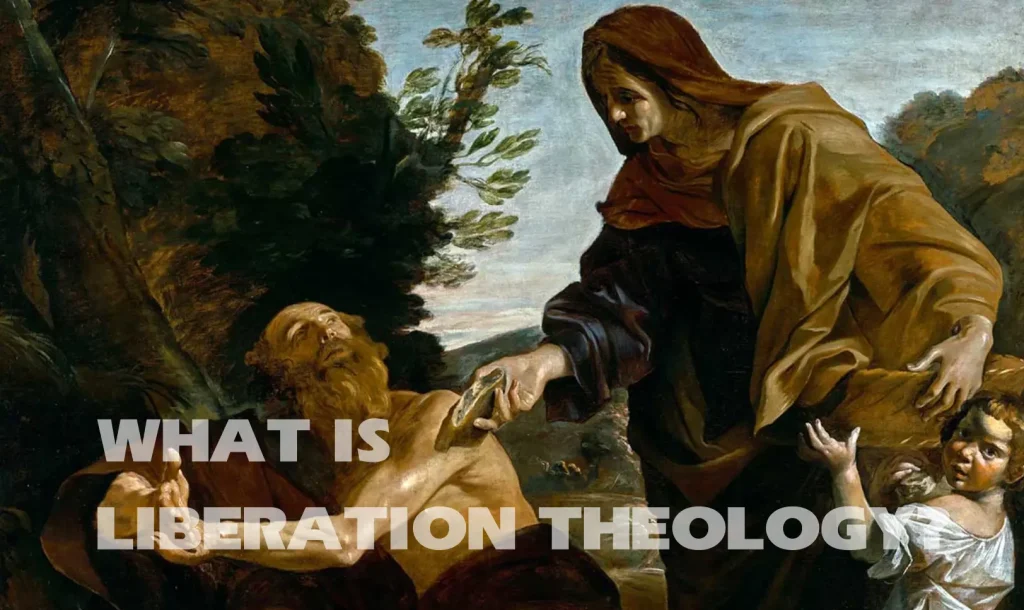
For most of Christian history, theology has been done from the top down.
Kings, bishops, wealthy patrons, and educated clergy gathered in beautiful rooms, reading sacred texts in languages most people couldn’t understand. Ordinary workers labored in the fields, while interpretations of God, salvation, and morality were formed far above their heads.
Liberation Theology flips that script.
Instead of asking, “What does this text mean for those in power?” it asks,
“What does this text mean for the poor, the oppressed, and the forgotten?”
Theology From the View at the Top

If you look back, theology has usually been written from the victor’s perspective.
Before the Reformation, the Bible in Western Europe was mostly in Latin. It was read and interpreted behind heavy church doors, by priests and theologians who were treated almost as if they had a special, direct line to God. Ordinary people rarely had the opportunity—or the permission—to study Scripture for themselves.
In that world:
- Clergy were seen as God’s special representatives.
- Theology was mainly concerned with doctrine, order, and authority.
- Social realities—poverty, slavery, exploitation—were often pushed to the margins of theological reflection.
Meanwhile, the Church itself became wealthy and powerful, even as huge parts of the population remained poor, overworked, and voiceless.
This stood in sharp contrast with the life and teaching of Jesus, who was poor, homeless at times, and constantly surrounded by people on the margins.
A Theology That Starts With the Oppressed
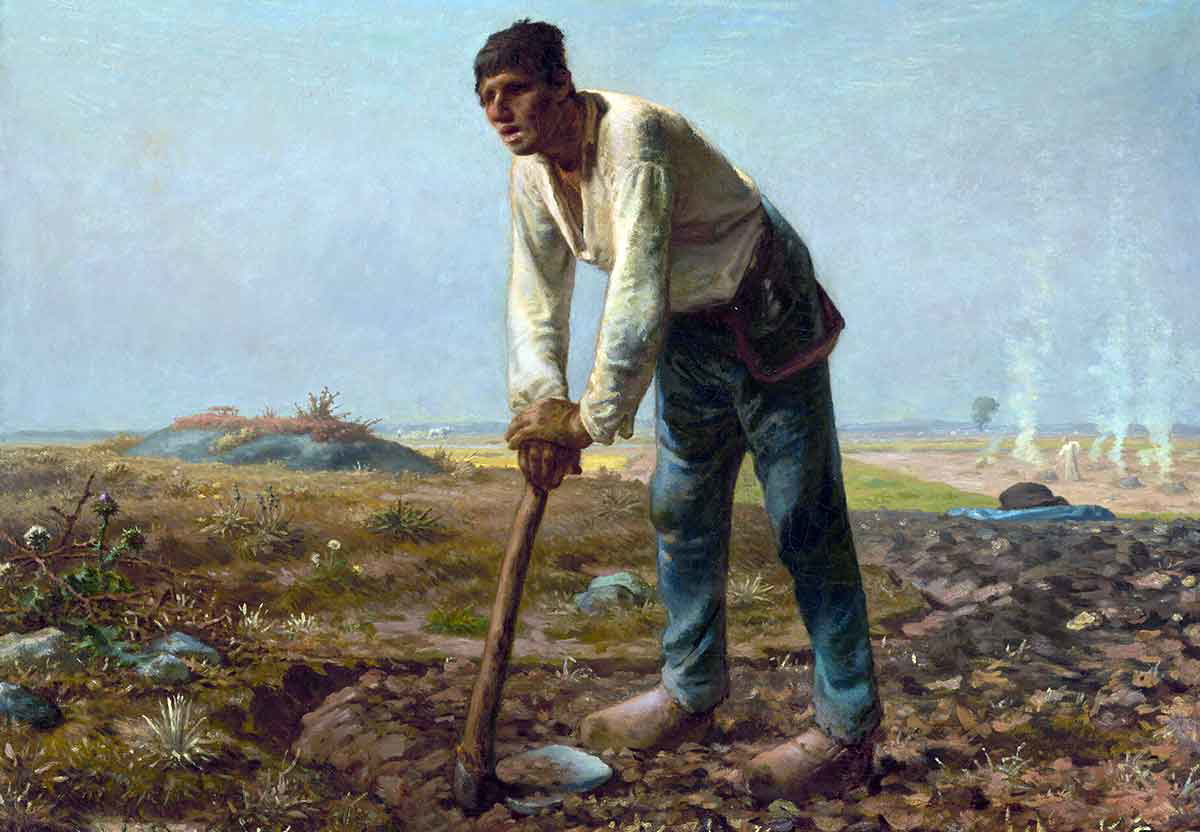
Liberation Theology begins with a very simple but radical question:
What happens if we read the Bible starting from the viewpoint of those who suffer?
Liberation Theology can be summed up like this:
It is theology done with the poor and oppressed at the center, using religious texts to challenge social, political, and economic injustice.
Dietrich Bonhoeffer, the German theologian who resisted Nazism, once wrote:
“The Church is the Church only if it exists for others.”
Liberation Theology takes this seriously. It doesn’t see theology as a purely intellectual exercise. Instead, it sees theology as:
- rooted in real-life struggles, and
- incomplete if it doesn’t address poverty, oppression, and structural sin.
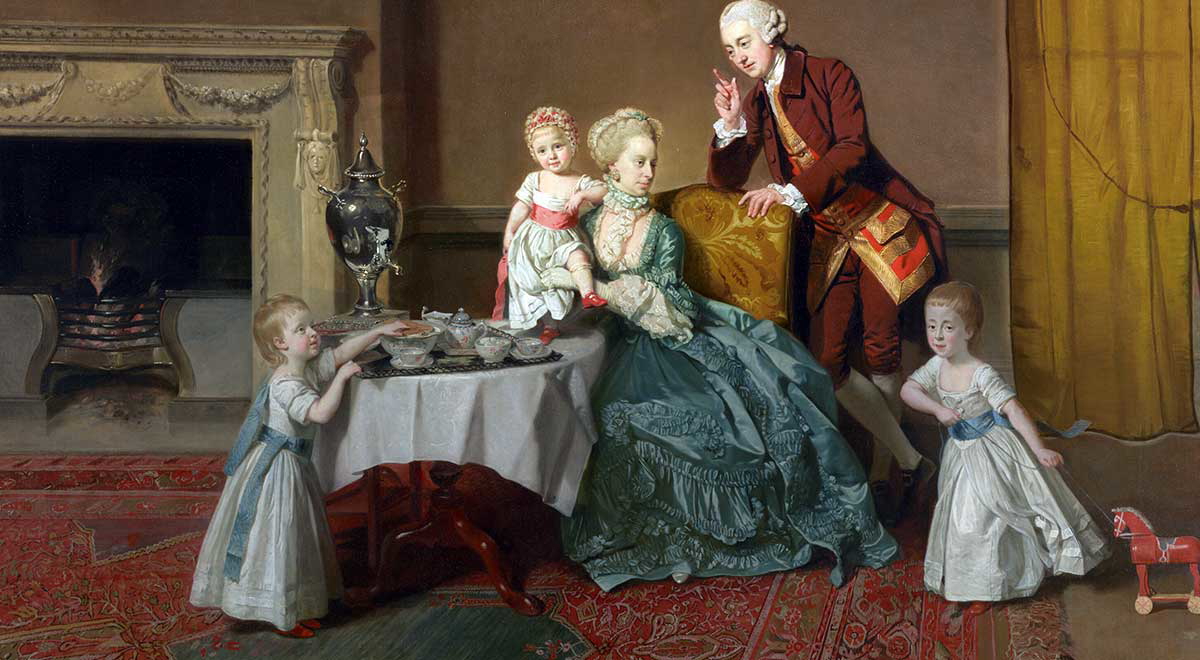
In the 1950s and 1960s, especially in Latin America and parts of Africa, the gap between Church life and everyday suffering became impossible to ignore. Theologians and pastors working among the poor began to ask:
- Do the dominant Catholic and Protestant interpretations of the Bible really speak to our reality?
- If God cares about justice, what does that mean for people living under dictatorships, crushing poverty, or racial oppression?
Out of those questions, Liberation Theology emerged as a distinct movement.
Is Liberation Theology Really New?
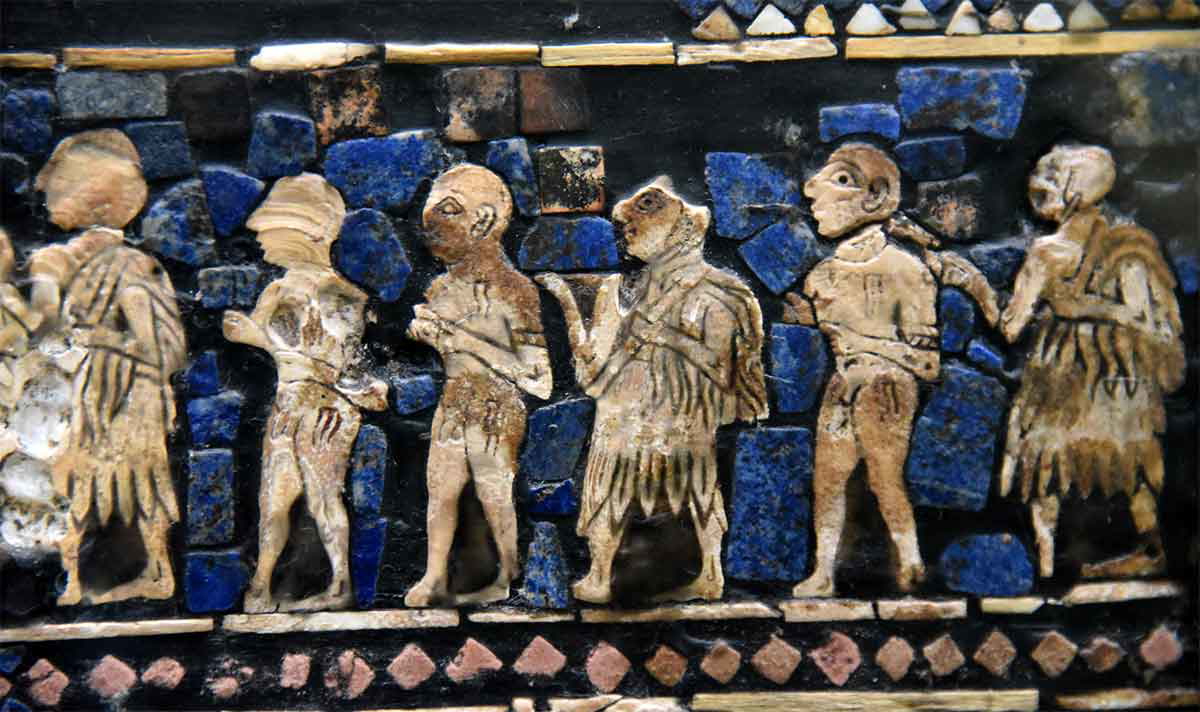
Some critics say Liberation Theology is just a modern invention. Many of its supporters say the opposite:
it is simply recovering what has always been in the Bible.
In the Old Testament, we see a steady pattern:
- God commands care for widows, orphans, and foreigners—those most vulnerable in society.
- The central salvation story—the Exodus—is about God setting enslaved people free from Egypt.
- God is repeatedly described as a redeemer who takes the side of the oppressed.
In the New Testament, that focus deepens:
- Jesus announces his mission as “good news to the poor.”
- He spends his time with the sick, the outcasts, tax collectors, and sinners.
- He teaches that love for God is inseparable from love for your neighbor—especially the neighbor in need.
In the early Church, this wasn’t just theory. It shaped daily life. The book of Acts records:
“All the believers were together and had everything in common. They sold property and possessions to give to anyone who had need.” (Acts 2:44–45)
Seen through this lens, Liberation Theology doesn’t look like a strange new idea. It looks like an attempt to take those biblical themes seriously in the modern world.
That leads to two key questions:
- Is caring for the poor optional?
- Should we read “the poor” literally or only as “poor in spirit”?
The “Preferential Option for the Poor”
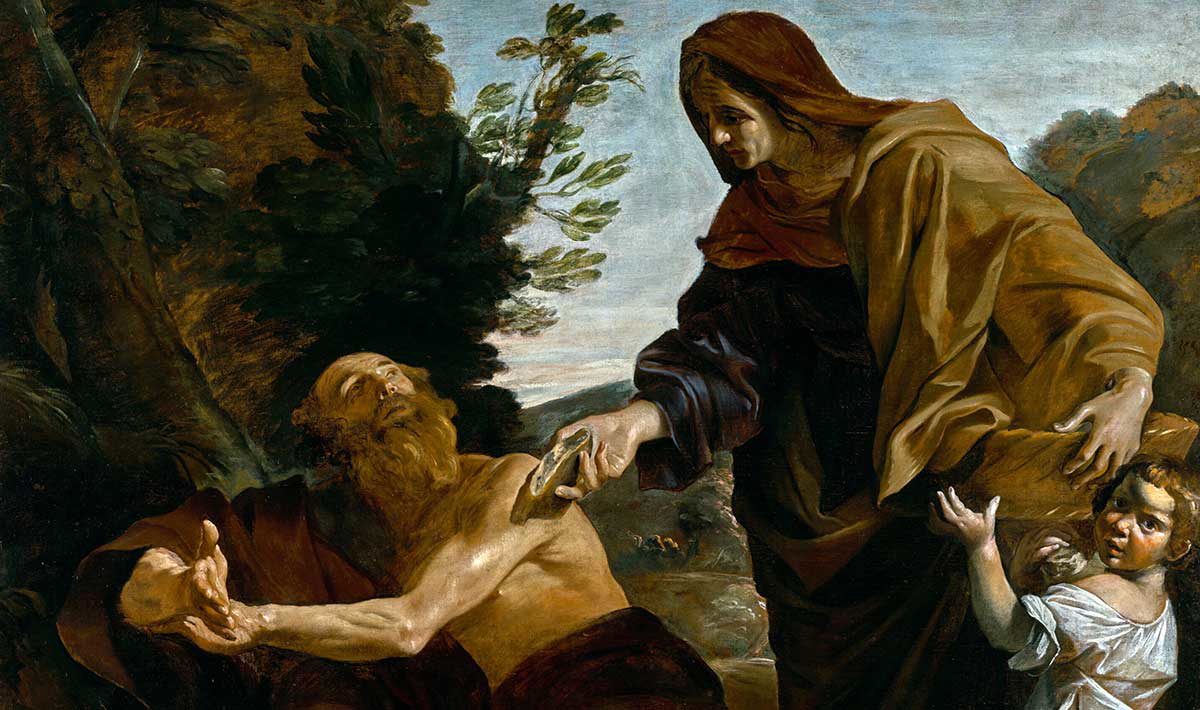
Liberation Theology answers the first question very clearly:
No, caring for the poor is not optional.
One of its central ideas is the “preferential option for the poor”. This means:
- God has a special concern for those who suffer.
- The Church, if it is to be faithful, must also prioritize the poor and vulnerable.
- Assisting them is non-negotiable, not an add-on or optional charity project.
Jesus said, “Blessed are you who are poor, for yours is the kingdom of God” (Luke 6:20). He didn’t just spiritually encourage them; he ate with them, healed them, and defended them.
Critics of Liberation Theology often argue that these teachings are metaphorical, aimed at those who are “poor in spirit” rather than materially poor. Liberation theologians respond:
- Spiritual poverty matters.
- But the Bible also talks repeatedly about the real, physical poor.
- Ignoring economic and social realities empties those texts of their power.
This debate lies at the heart of many criticisms: some accuse Liberation Theology of twisting Scripture; liberation theologians say they are simply reading Scripture with open eyes in a world of inequality.
The Faces Behind the Movement
While you can find “liberation moments” throughout Christian history whenever faith inspires resistance to oppression, a few 20th-century voices helped shape Liberation Theology as a formal movement.
Gustavo Gutiérrez
- Peruvian theologian (1928–2024)
- Wrote the landmark book A Theology of Liberation
- Described Liberation Theology as a praxis: faith in action, lived in solidarity with the poor
- Condemned structural injustice and systems that keep people trapped in poverty
For Gutiérrez, theology wasn’t something you did only at a desk. It was something formed in the midst of struggle, alongside the poor.
Leonardo Boff
- Brazilian theologian and former Catholic priest (b. 1938)
- Criticized the Church hierarchy and its alliance with power
- Pushed for a Church that reflects the humility of Jesus, not the splendor of empires
Because Boff and others analyzed how power and wealth shape religion, critics accused them of blending Christianity with Marxism.
Liberation Theology and Marxism: Allies or Opposites?
Why the Marxism accusations?
Both Marxism and Liberation Theology:
- pay attention to how those in power shape society
- talk about economic structures and social systems
- criticize institutional causes of poverty and injustice
But there are important differences:
- Marxism sees these structures as rooted in class dynamics;
- Liberation Theology calls them “sinful”—not just unjust, but morally and spiritually wrong.
Liberation theologians like Frei Betto argued that some Marxist tools (like social analysis) could help Christians understand the world better, without replacing faith with ideology. For them, Marxism was a tool, not a new religion.
Other key figures include:
- Juan Luis Segundo (Uruguay), a Jesuit who wrote The Liberation of Theology
- Jon Sobrino (El Salvador), a Jesuit theologian who focused on the poor and victims of violence
Their work contributed to different “theologies of liberation” around the world, such as:
- Black Theology in the United States and South Africa
- Dalit Theology in India, focusing on those oppressed by caste
Is Liberation Theology Just Utopian Dreaming?

Another common critique is that Liberation Theology is too idealistic, obsessed with a utopian dream that will never be achieved. Critics sometimes quote Jesus’ words, “The poor you will always have with you” (John 12:8; Matthew 26:11), to argue that poverty is inevitable, so trying to change structures is naive.
Liberation theologians respond differently.
Gutiérrez, for example, writes about Christian hope:
- Hope is not about escaping this world and waiting for heaven.
- It is about working toward a reality that is not yet fully visible.
- The call to justice is not utopian fantasy, but a response to God’s promise.
In their view, Liberation Theology is not inventing something new; it is reminding the Church of its original mission—one it has often neglected.
A Call to Action, Not Just a Critique
Liberation Theology can sound like a harsh critique of the institutional Church—and often, it is. But it’s not just about pointing fingers at bishops, popes, or pastors.
It also:
- redefines “Church” to include the whole people of God, especially lay people
- reminds ordinary believers that they have agency, responsibility, and power
- insists that hope belongs in the streets, not locked away behind church doors
At its heart, Liberation Theology says:
- Faith has something to say about unjust wages, hunger, racism, war, and oppression.
- Prayer and action belong together.
- Christians are called not just to dream of heaven, but to seek justice here and now.
So, What Is Liberation Theology?
Put simply:
Liberation Theology reads the Bible from the side of the poor and oppressed, and insists that faith must confront injustice—not just endure it.
It calls Christians to:
- analyze inequality and hopelessness in the light of Scripture,
- name oppressive structures as sinful,
- and engage in political, social, and civic life as part of discipleship.
Instead of praying only to be “whisked off to heaven,” Liberation Theology asks:
- What would it look like for the Church to be good news to the poor—in real, concrete ways?
- How can hope become not just a feeling, but a tool that changes society?
In that sense, Liberation Theology isn’t just a theological trend. It’s an invitation—to read ancient texts with new eyes, and to let faith move your feet as well as your lips.

support our project
At History Affairs, we believe history belongs to everyone.
donateYour contribution helps us keep this global archive open, free, and growing — so people everywhere can learn from the past and shape a better future.
know the present
Defense Tech Needs the State, Not Less of It
Trump Era or The New Imperial Age
America First, Venezuela, and the Trap of Old Habits
Why the AI Race Has No Winner
reading more
The Tokugawa Shogunate: Isolation and Cultural Renaissance
Suez Canal: From Ancient Dream to Present Reality
Ancient Greek Warfare Tactics Explained
Amenhotep III: The Sun King of Egypt’s Golden Age
Anglo-Saxon Migration: What Genetics Really Shows
The Fascinating Origins of British Pub Names: Lions, Kings & Curious Lore
Jesus’ Ministry and the Genesis of the Early Church
Julius Caesar and the Danger of Punishment Without Due Process
The Ten Plagues of Egypt: A Biblical Account of God’s Power
Knights vs. Samurai: Origins, Codes, and the Real Lives Behind the Armor
How the Medieval Church Shaped Everyday Life in Europe
Nicaragua’s Sandinista Revolution