By the summer of 1943, Nazi Germany was in serious trouble on the Eastern Front. The disaster at Stalingrad had cost the Wehrmacht more than 600,000 men and shattered the aura of invincibility it once had. Supplies were short, logistics were breaking down, and the Red Army was stronger, better organized, and growing in confidence.
Hitler and his generals knew they needed something dramatic to turn the tide. Their answer was a bold offensive aimed at a bulge in the Soviet lines around the city of Kursk. The plan was to crush this salient in a giant pincer attack and destroy a huge portion of the Red Army in one blow.
What followed was the largest tank battle in history—and the final time Germany would ever take the strategic initiative in the East.
The Kursk Salient and Operation Citadel
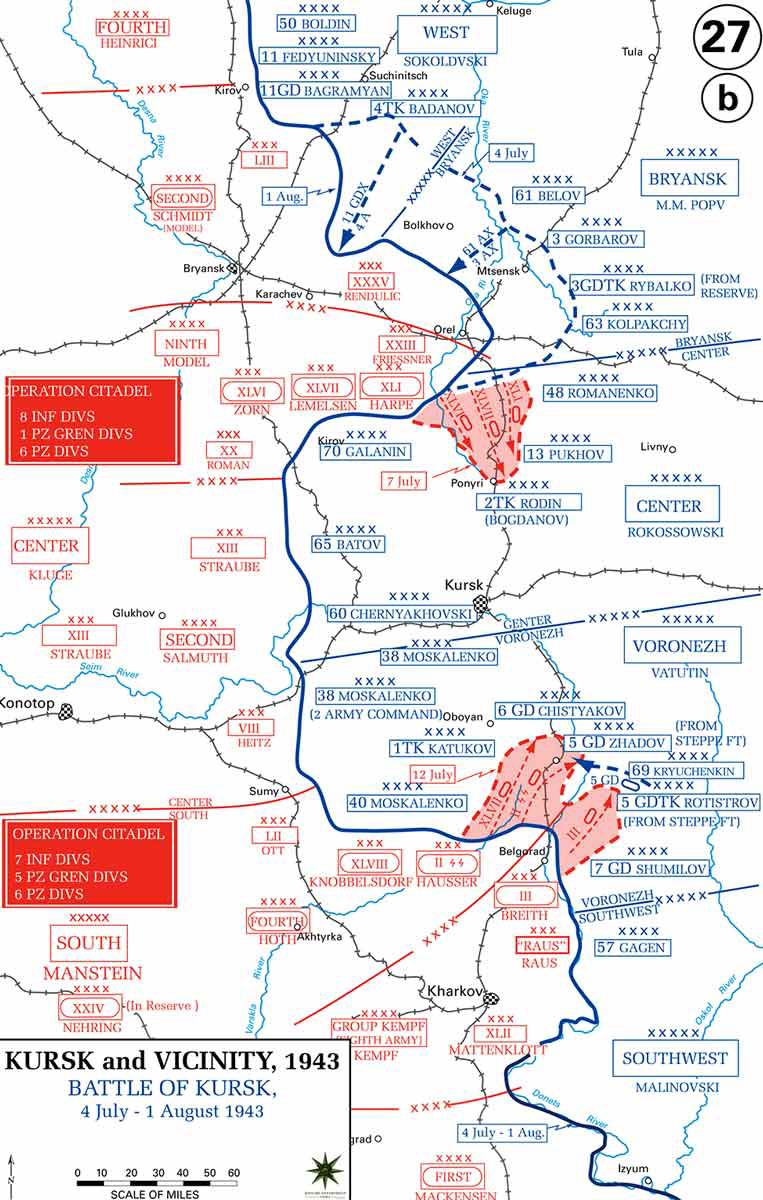
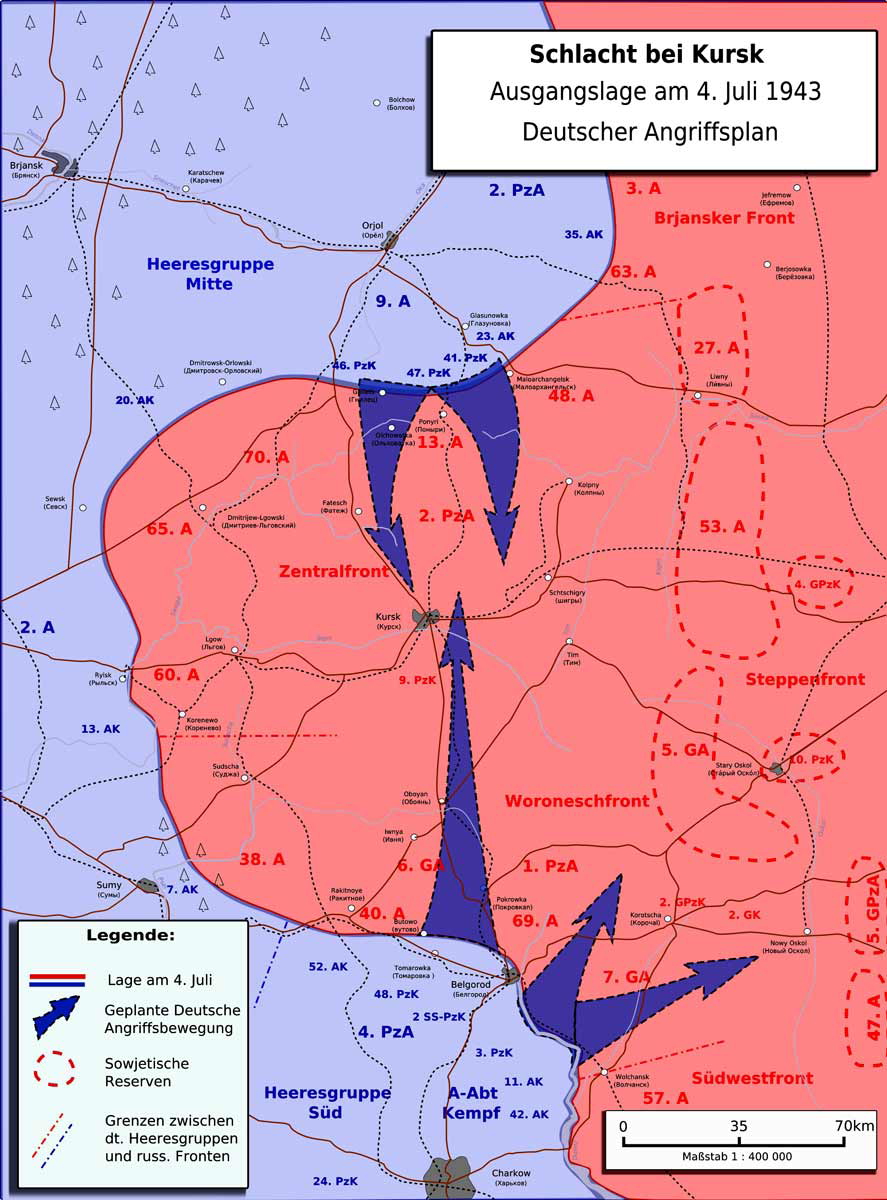
In early 1943, the front lines around Kursk formed a huge Soviet bulge pushing westward into German-held territory. To German planners, this salient looked like an opportunity: strike from north and south, meet at Kursk in the middle, and trap Soviet forces in a “cauldron.”
The operation was code-named Citadel. German forces would attack:
- From the north: out of the Orel region
- From the south: from around Belgorod
The idea was simple on paper. In reality, almost everything worked against them.
The Germans originally wanted to launch the offensive in April, before the Soviets could fully prepare. But Stalingrad had wrecked their resources. Tanks and equipment had to be repaired or replaced, fresh troops brought in, ammunition stockpiled. Each delay bought the Soviets more time—and they used it well.
By July, when Operation Citadel finally began, the Germans had gathered about:
- 780,000 men
- Nearly 3,000 tanks
- Over 7,000 artillery pieces
- Around 1,800 aircraft
It was an impressive force. But the Red Army was ready with more.
Soviet Intelligence and the Defensive Wall
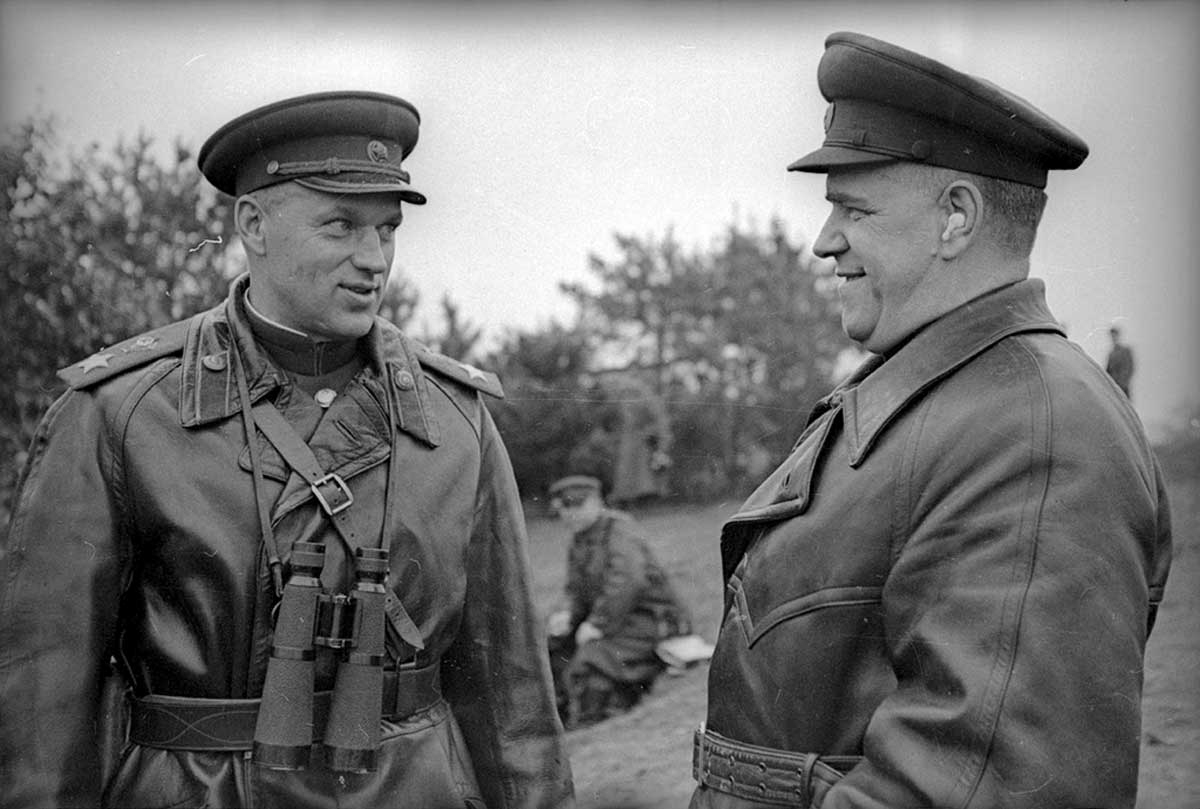
The Germans tried to mask their buildup with deception and feints, but Soviet intelligence was on the ball. Among their sources was the Lucy Ring, a spy network in Switzerland led by Rudolf Roessler, which passed on valuable information about German plans.
The Soviets originally considered striking first but decided instead to let the Germans attack—and smash them on prepared defenses.
They turned the Kursk salient into a fortress:
- Massive minefields: up to 1,500 anti-tank mines per square kilometer
- Anti-tank ditches and bunkers
- Layered defensive belts designed to slow, channel, and bleed enemy armor
- Tens of thousands of kilometers of trenches and communication lines, so troops and supplies could move even under heavy fire
By the time Citadel began, the Soviets had roughly:
- Almost 2 million soldiers
- About 5,000 tanks
- 31,000 artillery pieces
- Some 3,500 aircraft
And behind the front line stood huge reserves, ready to counterattack once the German thrust ran out of steam.
The Battle Begins: July 4–5, 1943
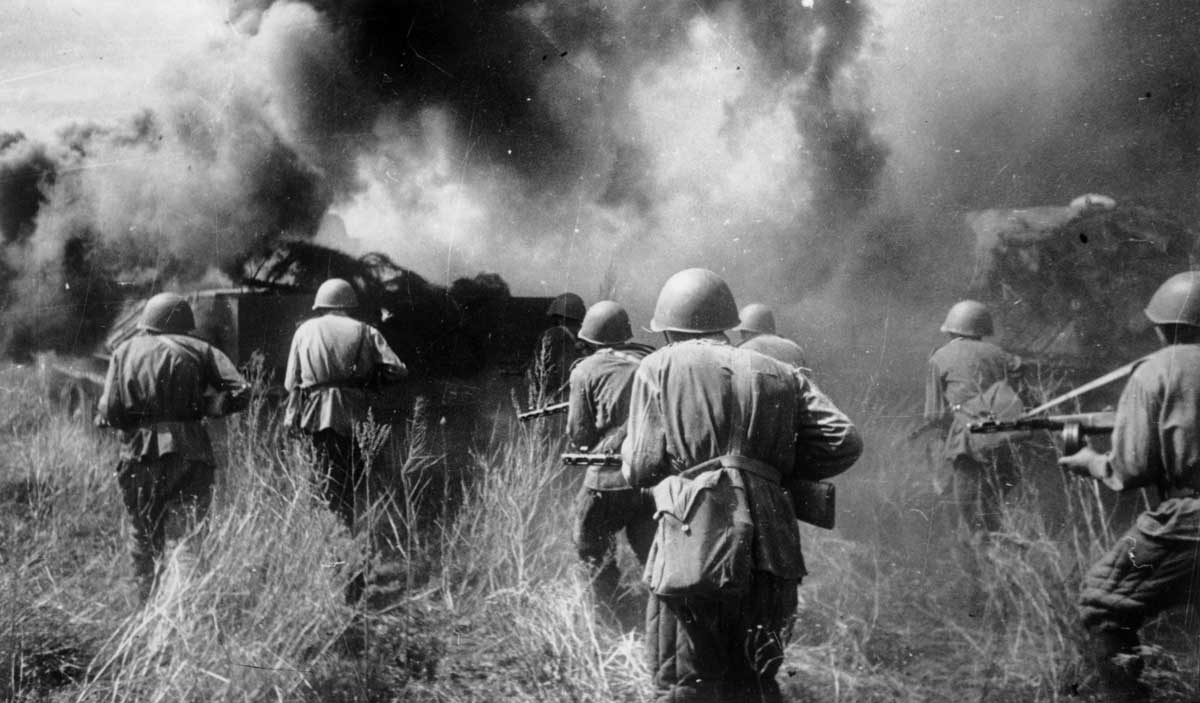
The fighting opened on July 4 with German attacks in the south to seize high ground for their artillery. That night, the Soviets unleashed a massive artillery and rocket barrage, particularly targeting the II SS Panzer Corps, one of Germany’s elite armored formations.
In the north, a heavy artillery duel followed, but Soviet fire failed to stop the German preparations. After a fierce bombardment, German forces began their advance.
The Soviet Air Force tried to pre-empt the Luftwaffe with strikes on German airfields, but these attacks achieved little. In the early days of the battle, the Luftwaffe enjoyed the upper hand in the south, while in the north, air power was more evenly matched.
On July 5, the main German ground assault began.
The Northern Assault: Tigers, Panthers, and Minefields
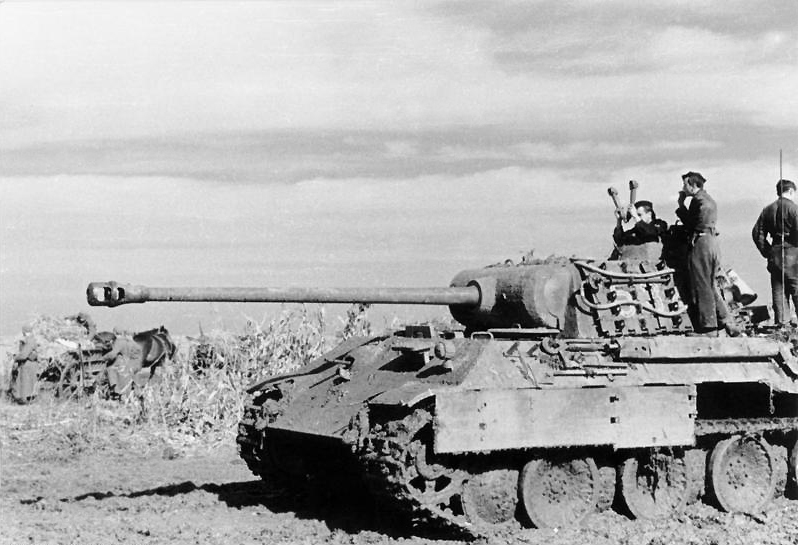
In the northern sector, Field Marshal Walter Model’s 9th Army spearheaded the attack. The Germans threw in their heaviest armor, including:
- Tiger tanks, with thick armor and powerful guns
- The new Panther tanks, designed to counter the Soviet T-34
- Ferdinand (Elefant) tank destroyers, with massive 88 mm guns and heavy armor
On paper, these vehicles were terrifying. On the ground, they ran into a deadly mix of mines, artillery, and clever Soviet tactics.
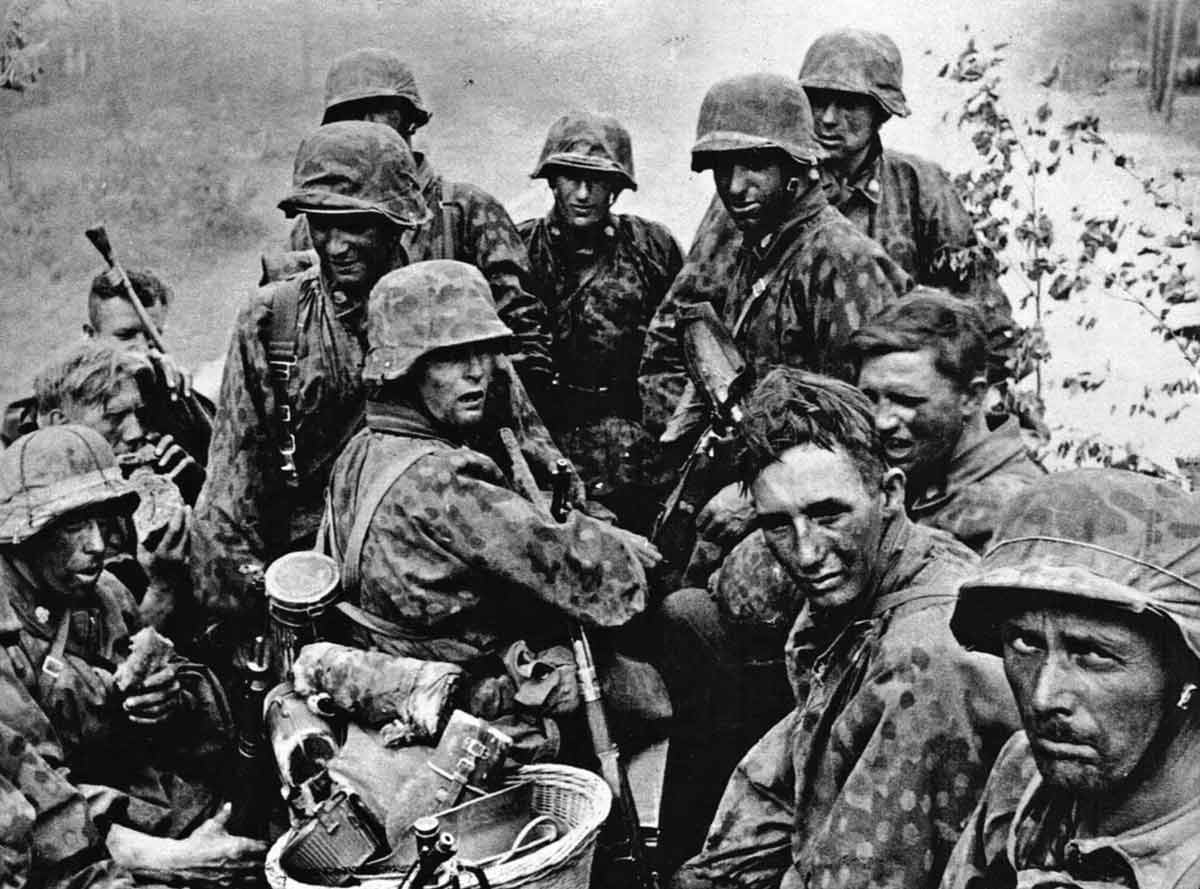
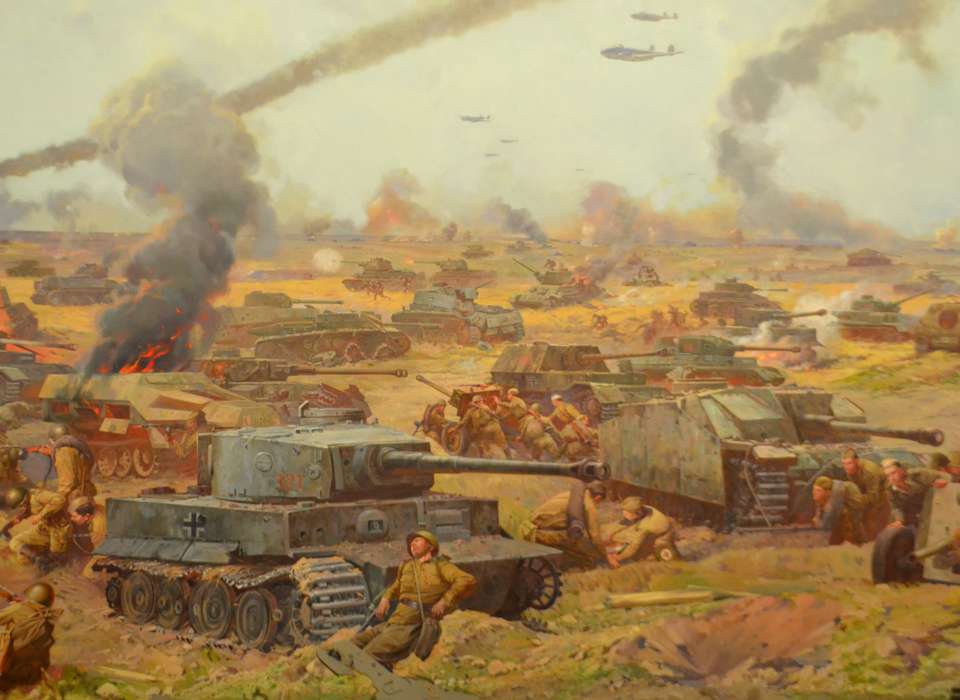
German tanks advanced into dense minefields, where their momentum slowed and formations broke up. Soviet defenders often let the tanks pass their forward trenches, then ambushed them from the flanks and rear with anti-tank guns, artillery, and infantry armed with anti-tank rifles and grenades.
The result: the northern advance gained only about six miles before it effectively stalled.
The next day, the Soviets counterattacked with around 200 tanks, but poor coordination led to chaos. The Germans knocked out 69 of them, and the counterattack failed to achieve a breakthrough.
Fighting raged around key points like Olkhovatka and Ponyri, with both sides suffering heavy losses. Ponyri changed hands multiple times before finally falling to the Germans on July 10. Even then, the overall northern offensive had lost its punch.
Model and his superiors slowly realized: they didn’t have enough strength to break through.
The Southern Front: The Voronezh Line
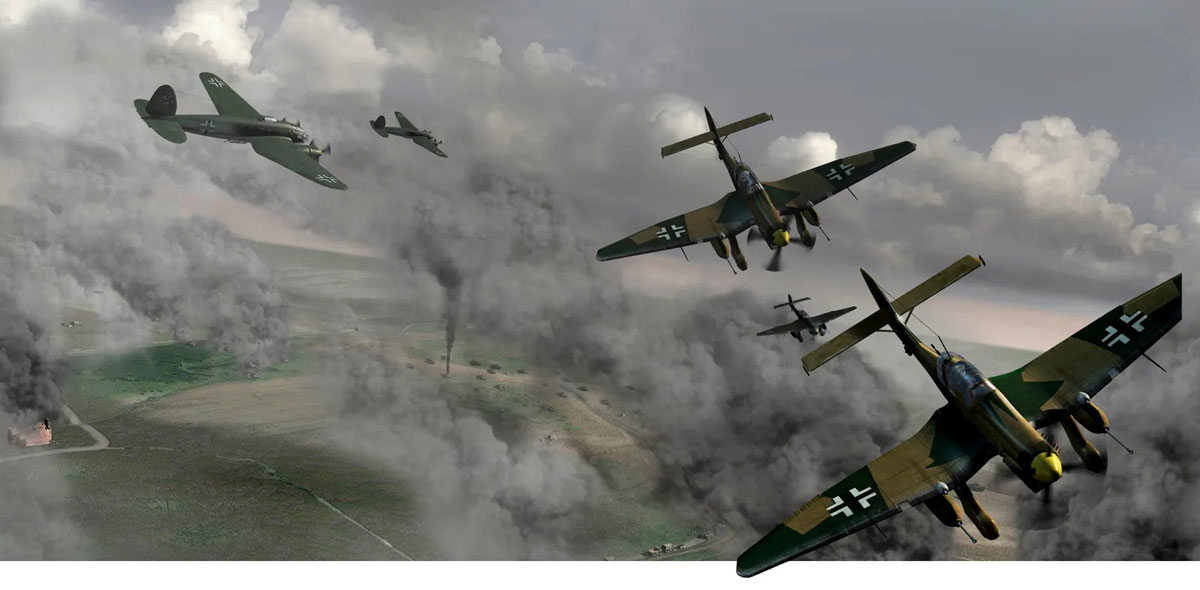
While the north bogged down, the main German hope shifted to the south, where Field Marshal Erich von Manstein commanded the attack against the Voronezh Front.
Here, the Germans once again hit layered Soviet defenses. The assault quickly ran into trouble:
- On the left wing, a Panzerfüsilier regiment blundered into a minefield, stalled, and was savaged by Soviet artillery. Engineers slowly cleared paths under fire, only for the advance to bog down again in marshy terrain.
- On the right wing, the elite Großdeutschland division made better progress, helped by strong Luftwaffe support. Villages like Gertsovka fell as the Germans punched a wedge into the Soviet lines.
- To the east, II SS Panzer Corps advanced with significant success at first, again aided by air power, but soon ran into stiff resistance, difficult terrain, and bad weather.
Further southeast, III Panzer Corps and Corps Raus attacked across the Donets River. Early efforts were painfully slow: bridges collapsed, traffic jams formed, and at one point, German aircraft accidentally bombed their own troops. Once across, they managed to break through the first Soviet defense line and repulse a counterattack—but progress remained slow.
The Germans were gaining ground, but not fast enough. Every delay gave the Soviets more time to bring up reserves and strengthen the next defensive belt.
The Turning Point: Prokhorovka
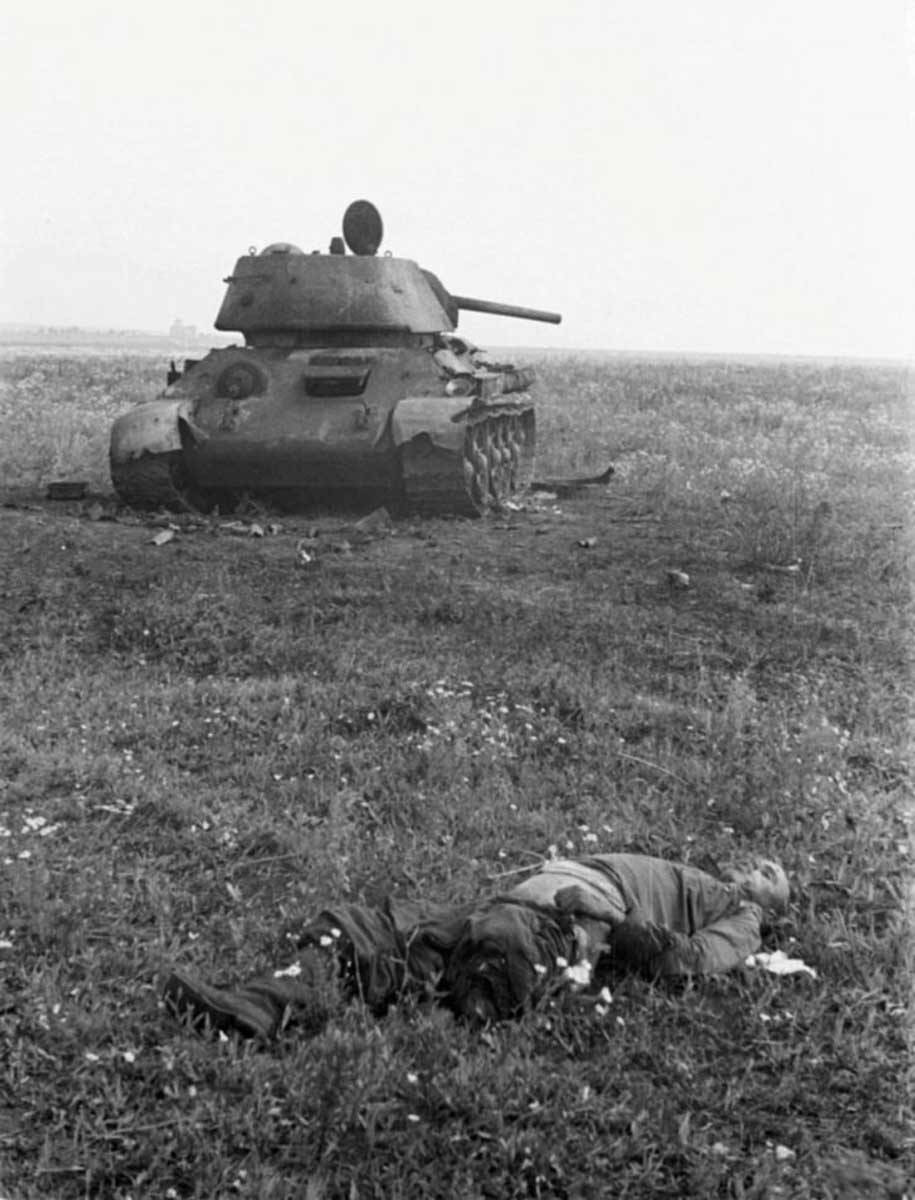
As the fighting continued, the southern drive pushed deeper. By July 8, II SS Panzer Corps had advanced around 18 miles and was heading toward Prokhorovka, a key railway junction and defensive anchor.
The Soviets knew exactly how dangerous this was. If II SS Panzer Corps linked up with the 6th Panzer Division, which had established a bridgehead over the Donets, they could cut off the Soviet 69th Army and potentially turn the whole operation in Germany’s favor.
So Prokhorovka had to hold.
The Germans planned to strike the Soviet defenses there from the flank, then launch a frontal assault. But the Red Army moved first.
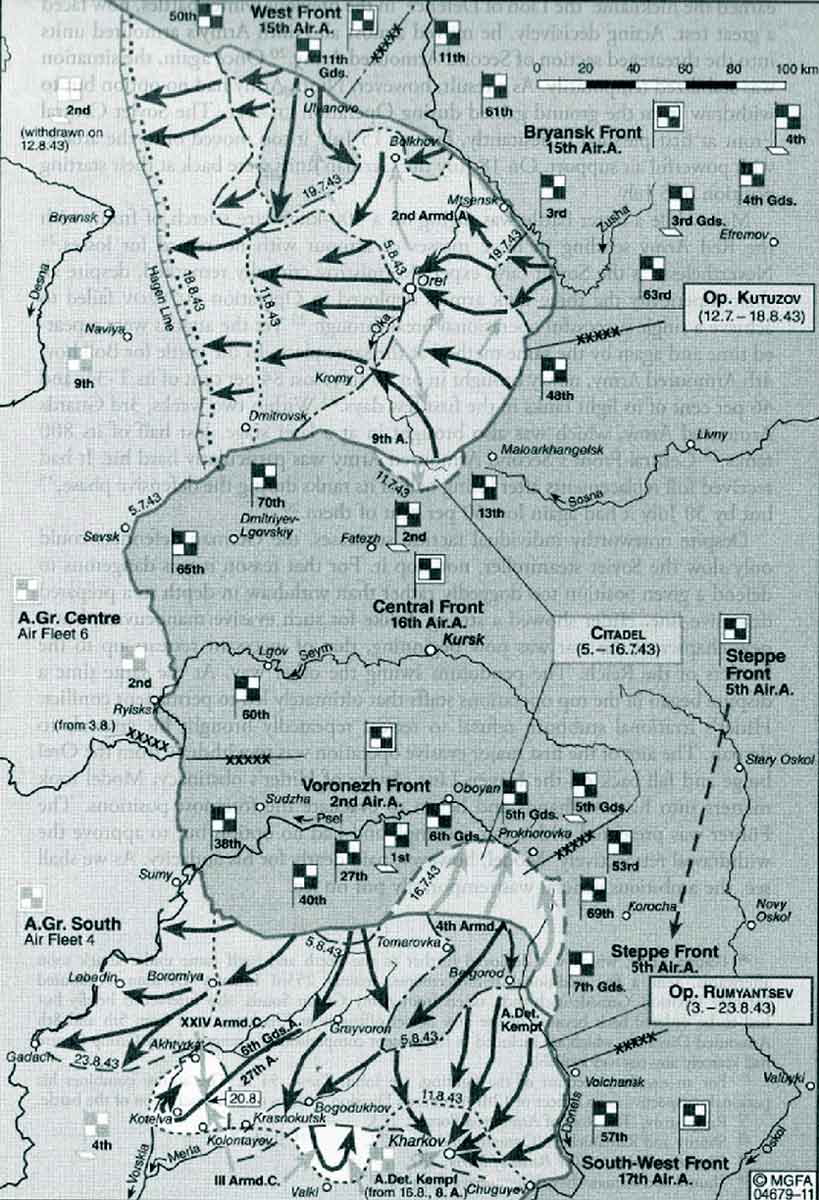
On the morning of July 12, Soviet artillery opened up with a massive barrage. Soon afterward, nearly 600 Soviet tanks and self-propelled guns rolled forward in a huge counterattack.
This became the famous Battle of Prokhorovka. For an entire day, Soviet T-34s and German Tigers and Panthers clashed at close quarters in chaotic, brutal fighting. The Soviets suffered enormous losses, but their assault achieved its main goal: it stopped the Germans from breaking through.
At this critical moment, news arrived from the Mediterranean. On July 10, the Allies had landed in Sicily. Faced with a new crisis and the need to send forces to Italy, Hitler decided to halt Operation Citadel—against the advice of several of his commanders.
The German offensive at Kursk was over.
The Soviet Counteroffensives: Kutuzov and Rumyantsev
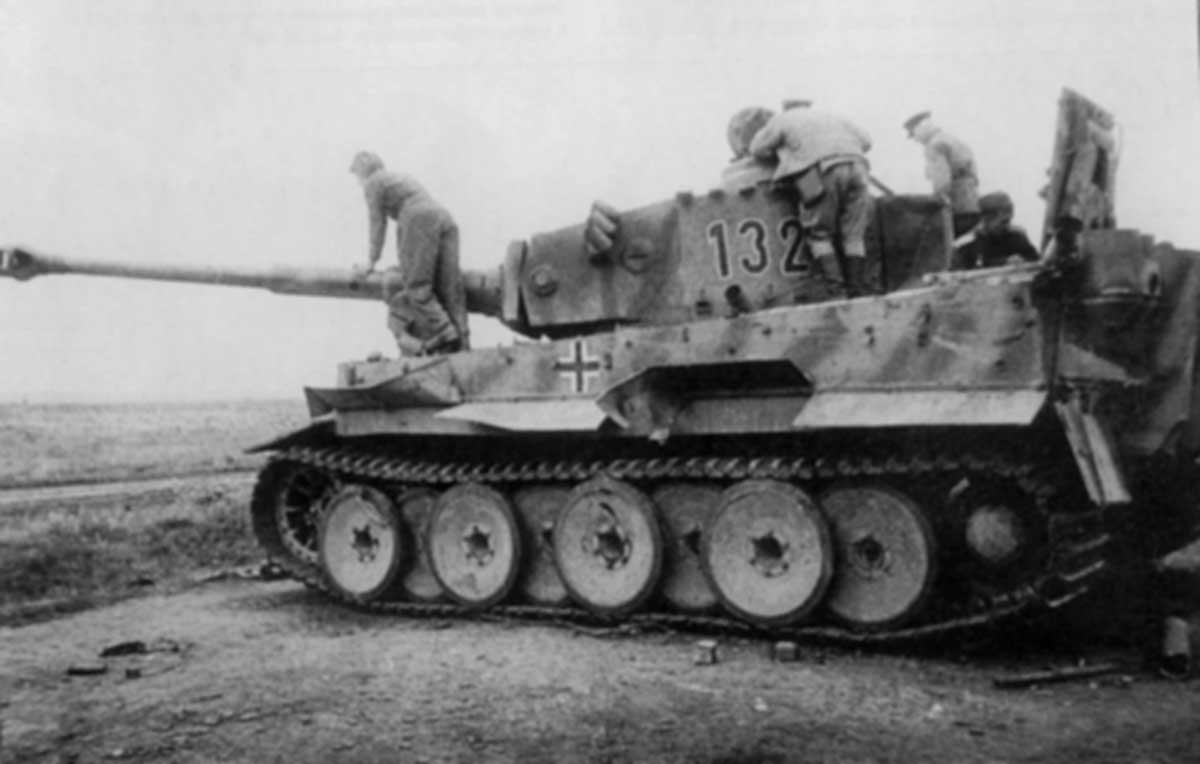
The Red Army had no intention of simply breathing a sigh of relief and stopping. Their high command had already prepared follow-up operations in case the German offensive stalled.
To the north of the Kursk salient lay the Orel salient, a German-held bulge. On this, the Soviets unleashed Operation Kutuzov, attacking from north, south, and east. The goal was to encircle and destroy Germany’s 9th Army. Under heavy pressure, the Germans retreated and abandoned the salient, shifting fully onto the defensive.
In the south, the Soviets launched Operation Rumyantsev against German forces forming the northern wing of Army Group South. After diversionary attacks tied down German units, the main Soviet push liberated Belgorod on August 5 and Kharkov (Kharkiv) by August 23.
What began as a desperate German attempt to seize the initiative ended with the Soviets pushing them back along a broad front.
Aftermath: The End of German Offensive Power in the East
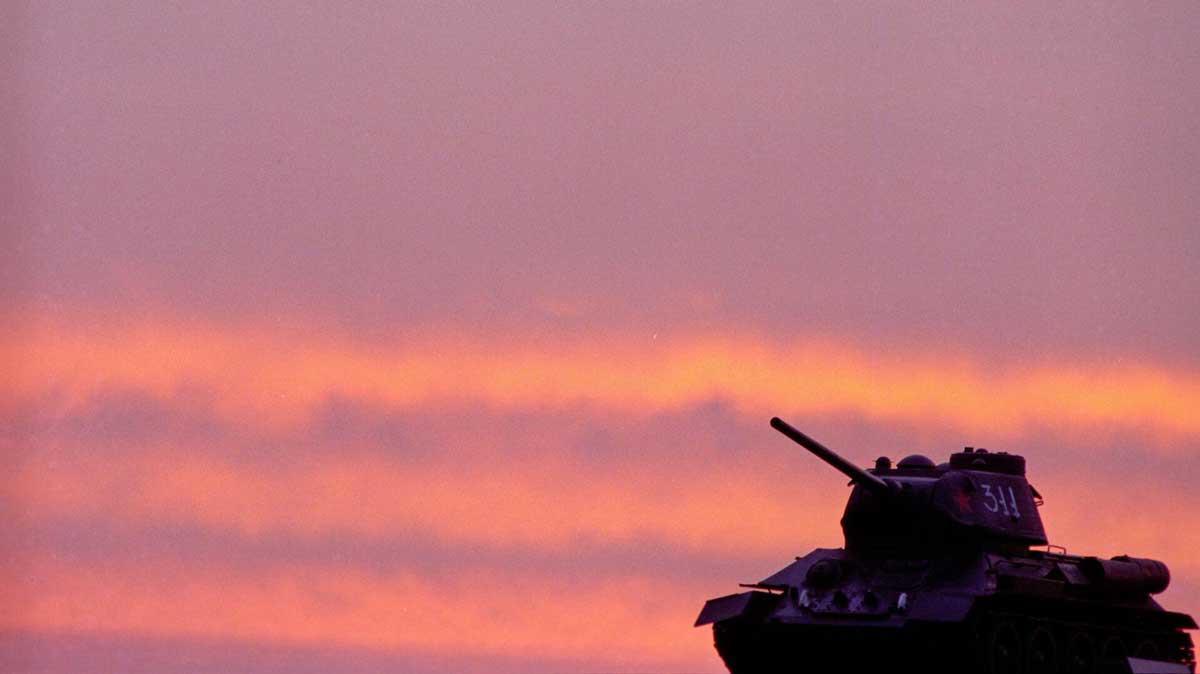
The Battle of Kursk marked a decisive turning point on the Eastern Front.
From this point onward:
- Germany never again launched a major strategic offensive in the East.
- The initiative passed permanently to the Red Army, which began a series of offensives that would, step by step, push the Wehrmacht back into Poland, then Germany itself.
The human and material cost was enormous. Exact figures are debated, but rough estimates suggest:
- Around 200,000 German casualties (killed, wounded, or missing)
- Roughly four times as many Soviet casualties
- About 1,200 German tanks and assault guns destroyed
- Over 6,000 Soviet tanks lost
On paper, the loss ratios look terrible for the Soviets. But the Red Army could replace its losses far more easily than Germany could. Soviet production was booming, and their tactics and leadership were improving rapidly. Over time, the gap closed—and then reversed.
Perhaps the most important result of Kursk was psychological. The Soviets had shown, once and for all, that they could defeat the German army in summer conditions, without the help of “General Winter.” For German soldiers and officers, Kursk shattered any remaining hopes of a decisive victory in the East.
From then on, the war in the East became a grinding, defensive struggle for Germany—a slow, relentless retreat under the weight of Soviet manpower, industry, and determination.
Kursk was not just the largest tank battle in history. It was the moment when the tide of the Eastern Front turned for good, setting the Red Army on the long, brutal road to Berlin.