If you skim the Hebrew Bible with one quick assumption—“leadership was basically male-only”—you’ll mostly feel confirmed.
The priesthood? Male.
The monarchy? Male.
Most public leaders in Israel’s early story? Male.
And yet there’s one spiritual institution that just keeps going—through the Temple era, through the judges, through kings, through collapse, exile, and rebuilding:
prophecy.
And prophecy does something the priesthood and monarchy don’t: it shows up in women’s lives, publicly and explicitly. Not often, not evenly, but undeniably.
Prophecy outlives institutions
Priests need the Temple. No Temple, no sacrifices, no priestly routine.
Judges are tied to a particular phase of Israel’s story, and that era eventually gives way to kings.
Kings are tied to land, throne, dynasty—so when Israel is conquered and taken into captivity, monarchy ends.
But prophets aren’t anchored to a building or a throne. They’re anchored to a calling: hearing and delivering a message from God. That’s why prophecy survives when everything else shakes apart.
And that’s also why, unlike priests and kings, prophets can be men or women.
The Hebrew Bible’s named prophetesses
The Hebrew Bible uses the title “prophetess” for a small handful of women. Five women are called prophetess, but only four are named:
Miriam
Miriam isn’t just “Moses’ sister.” She appears as a recognized figure in Israel’s community—someone who leads, sings, and publicly embodies the people’s response to God’s deliverance. She’s not tucked away in private spirituality. She’s seen.
Deborah
Deborah is the headline name because she’s doing double duty: prophetess and judge. That combination matters. She isn’t merely offering spiritual encouragement—she’s making decisions, giving direction, and speaking with authority in the life of the nation.
Huldah
Huldah’s role feels almost “institutional” in a different way: when leaders need a divine word about a discovered book of the law, they go to her. That alone tells you she wasn’t a fringe figure. She’s treated as a reliable, authoritative voice in a moment of crisis. Some readers also connect her to scribal work—someone embedded in the world of texts and interpretation.
Noadiah
Noadiah is the most mysterious because she appears briefly—and negatively. In Nehemiah, she’s grouped with prophets opposing him. The point isn’t “women prophets are bad”; the Bible regularly shows male prophets being false, corrupt, or self-serving too. The deeper point is something modern readers often miss:
Biblical prophets are not presented as flawless people.
They’re presented as contested voices—sometimes faithful, sometimes compromised, sometimes resisted, sometimes wrong.
The unnamed prophetess: Isaiah’s wife
Isaiah’s wife is called “the prophetess,” but she isn’t named. That creates a real interpretive question: is she called prophetess because she personally prophesied, or because she was married to a prophet? The text doesn’t fully settle it, so readers have to hold the ambiguity.
Prophecy doesn’t “stay” in the Old Testament
When you move into the New Testament, something interesting happens:
prophecy becomes more widespread as a gift, less centered on a few high-profile individuals.
Anna in Luke
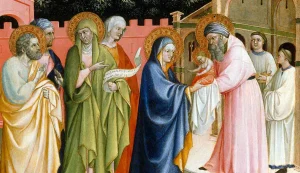
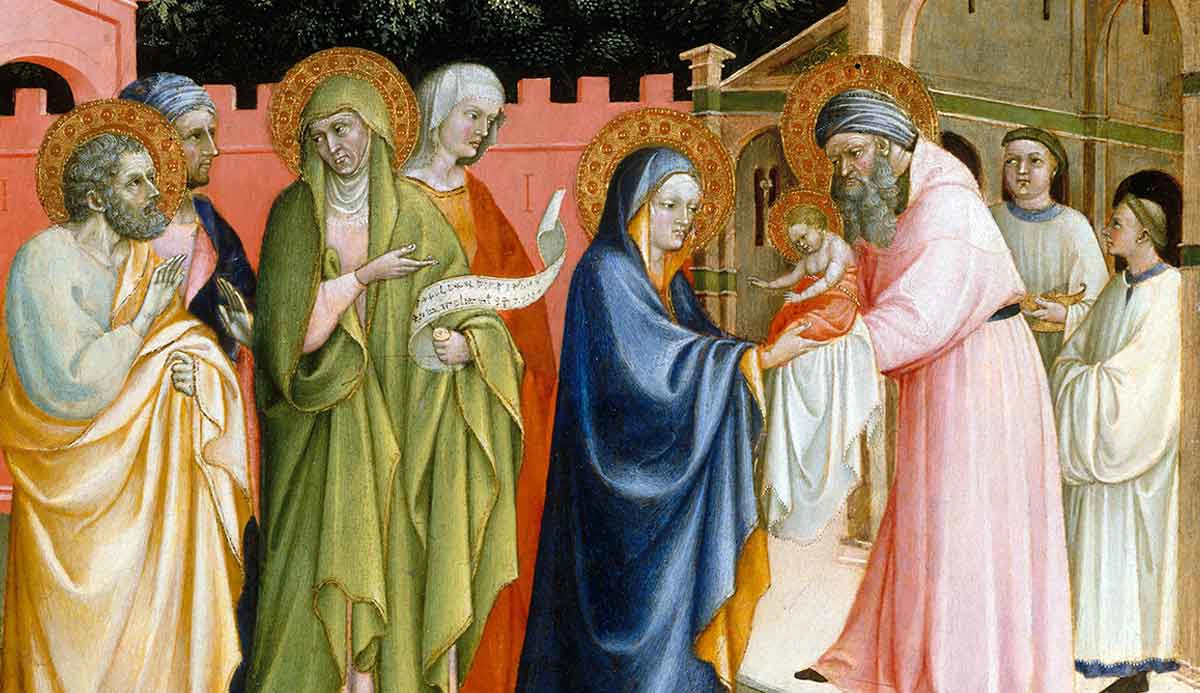
Luke explicitly calls Anna a prophetess. She’s not portrayed as a private mystic. She’s part of Jerusalem’s religious life, and she recognizes the significance of Jesus—alongside Simeon—at the Temple.
Philip’s four daughters in Acts
Acts mentions four daughters of Philip who prophesy. It’s quick, almost casual, and that’s the point: prophecy is no longer rare enough that it always needs a dramatic spotlight.
“Jezebel” in Revelation
Revelation mentions a woman symbolically called “Jezebel,” labeled a prophetess—but the author treats her as deceptive and dangerous. Again: the Bible’s critique here is not “women speaking is wrong,” but “false prophecy is destructive,” whether male or female.
The “prophetic” women who aren’t called prophetess
Even where the title isn’t used, the New Testament often depicts women doing something that looks very prophetic: receiving divine insight and speaking it.
- Mary receives revelation and responds with words that sound like a theological proclamation (many readers see a prophetic tone in her song).
- Elizabeth recognizes who Jesus is while he’s still in Mary’s womb—insight that reads like spiritual discernment, not normal inference.
Sometimes the Bible labels. Sometimes it just shows.
So why women prophets… but not women priests?
This is where the contrast gets sharp.
Priests are not just “religious leaders.” They’re a restricted, hereditary office.
In the biblical system, priests must be:
- male
- from the tribe of Levi
- from the line of Aaron
- and they must meet specific physical requirements
That already makes priesthood a narrow channel by design.
Priesthood is tied to ritual access and ritual cleanliness
Priests serve in the sanctuary system, which comes with rules about who can enter, when, and under what conditions. Contact with bodily fluids is one major category of restriction in the purity laws.
The text treats both semen and menstrual blood as sources of temporary ritual impurity that restrict access to holy space. But the waiting periods differ, and that difference becomes practically significant:
- semen-related impurity is temporary (short wait)
- menstrual impurity involves a longer period (longer wait)
If your job requires predictable access to the sanctuary day after day, those rhythms create a real logistical barrier in that ancient system.
Prophets don’t need the Temple to do their job
That’s the key.
A prophet’s authority doesn’t come from entering a holy building or performing a holy procedure. A prophet’s authority comes from the message—and the calling to speak it.
So the prophetic role is, in a sense, more “portable,” less restricted by lineage, sanctuary access, or ritual schedules.
Which means the Bible can consistently show this pattern without contradicting itself:
- Priesthood: narrow, hereditary, male-only
- Prophecy: open-ended, calling-based, includes women
The takeaway most people miss
The Bible isn’t simply saying, “men lead, women don’t.” It’s showing different kinds of authority operating in different ways:
- institutional authority (priesthood, monarchy)
- charismatic authority (prophecy)
And charismatic authority is the one that keeps breaking through social boundaries—sometimes uncomfortably, sometimes powerfully, sometimes controversially—because it’s framed as something God can place on whomever He chooses.